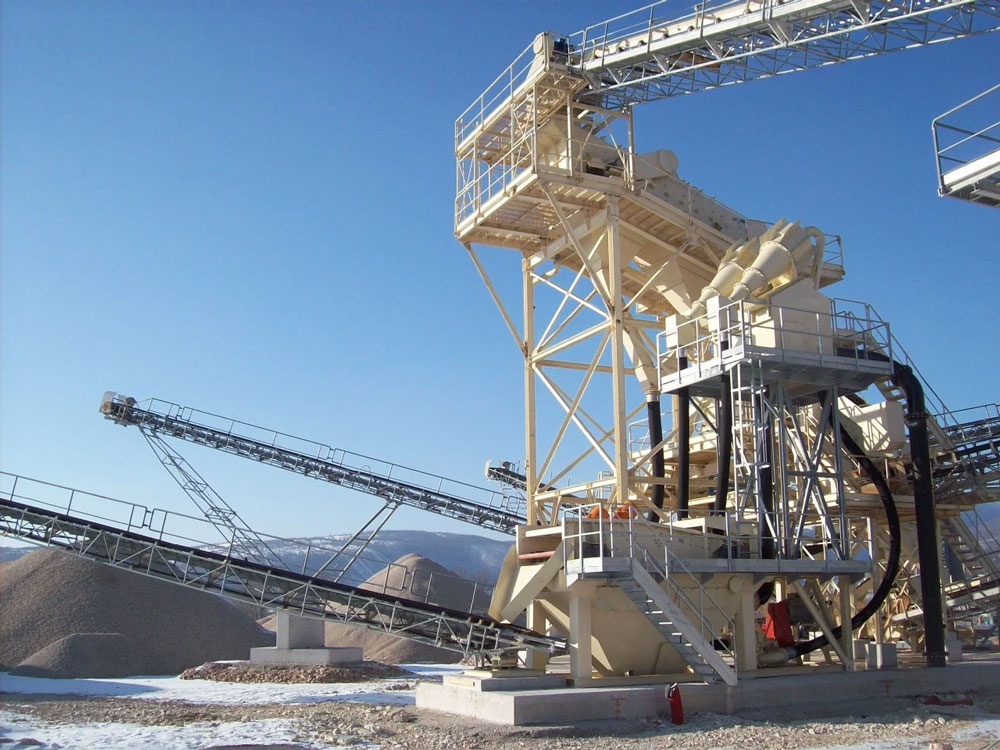


Jaw Crusher — Stone Crushing for Quarry, Mining limestone Rock Ore Crusher
Below: how to size the right model for your feed, what to expect from liner life on different rock types, and the three or four field details that decide whether the machine runs at nameplate or limps along at 70%. Spec table first, then the operating guidance.
Jaw crusher
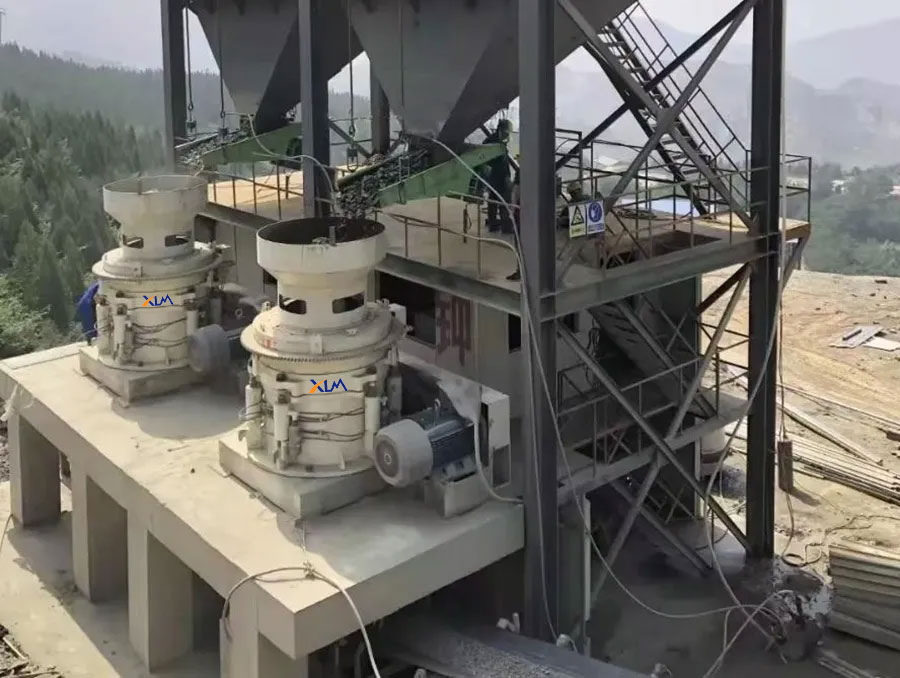
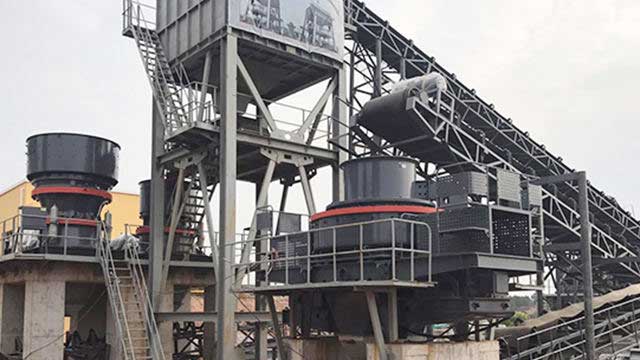
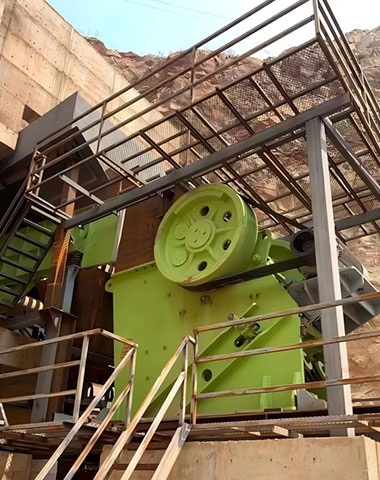
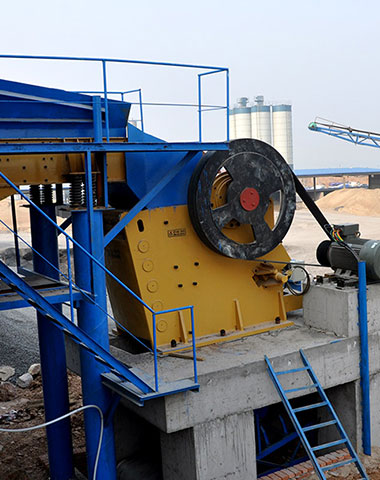
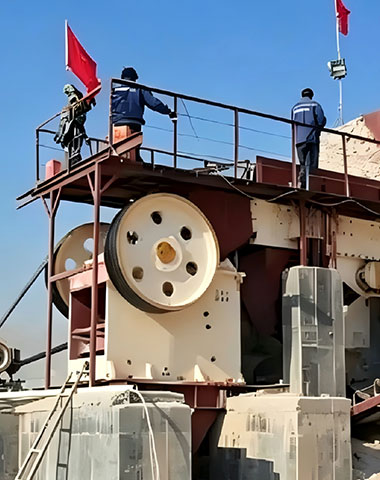
Jaw crusher are used in mining, building materials, and infrastructure construction industries for coarse and medium crushing of materials, and are the first step in crushing various ores and rock crusher stone crusher.Jaw crushers are used as the first stage in crushing various ores and rocks. They can process ores with a compressive strength not exceeding 320MPa to medium particle size in one pass. They are often used in conjunction with cone crushers, impact crushers, and sand making machines to form a complete sand and gravel production line.
Jaw crusher are available in two types: PE Jaw crusher(coarse crusher) and PEX Jaw crusher(medium and fine crusher), with a full range of specifications to meet the needs of different customers for various working conditions.Jaw crushers, also known as stone crusher or rock crusher, are used for ore crushing and building aggregate processing.
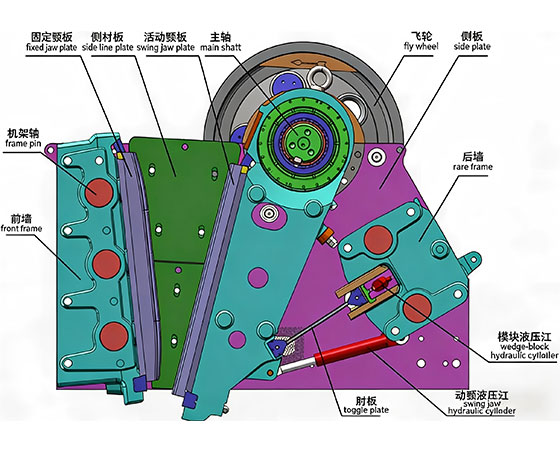
The jaw crusher operates on a reciprocating compression principle. The motor drives a belt and pulley, which in turn moves the movable jaw up and down via an eccentric shaft. When the movable jaw rises, the angle between the toggle plate and the movable jaw increases, pushing the movable jaw plate closer to the fixed jaw plate. Simultaneously, the material is crushed or split, achieving the crushing purpose. When the movable jaw descends, the angle between the toggle plate and the movable jaw decreases, and the movable jaw plate, under the action of the pull rod and spring, moves away from the fixed jaw plate. At this point, the crushed material is discharged from the bottom of the crushing chamber. With the continuous rotation of the motor, the movable jaw of the crusher performs periodic movements to crush and discharge materials, achieving mass production.
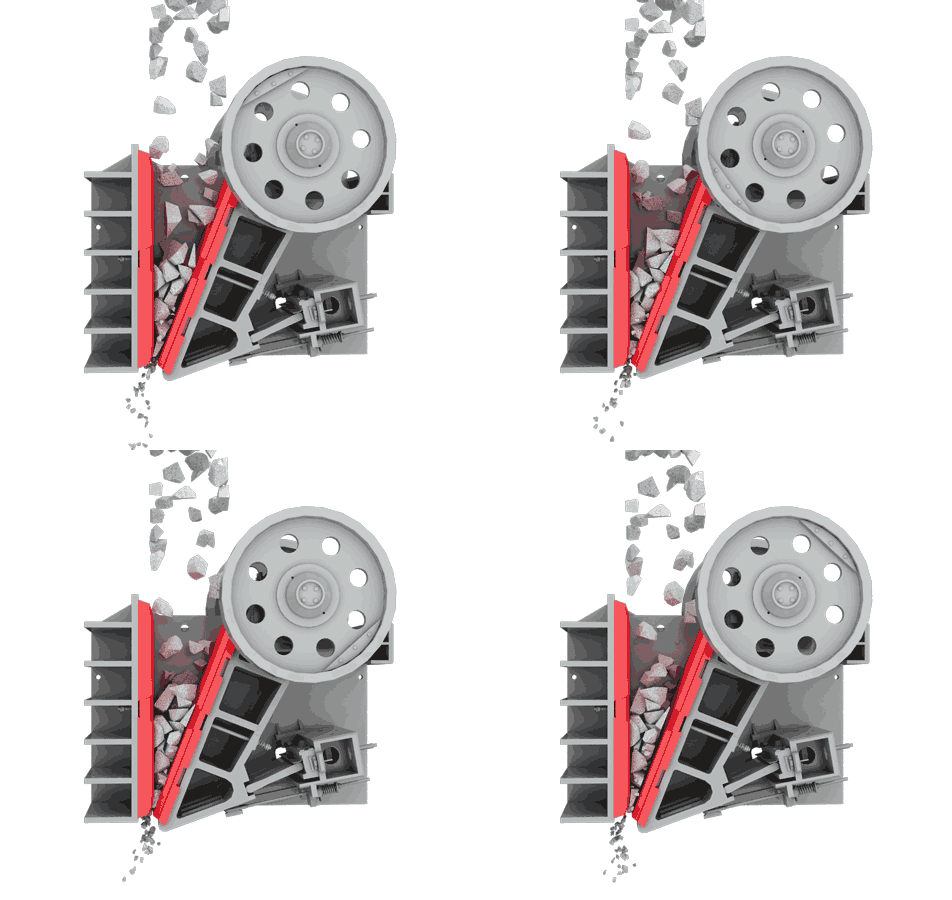
Specifications For Jaw Crusher :
Model | Feed port size(mm) | Maximum feed | Adjustnent range of discharge port(mm) | Capacity (t/h) | Eccentric shaft speed (r/min) | Power (kw) | Weight (t) | Outline size(L×W×H)(mm) |
PE-150×250 | 150×250 | 125 | 10-40 | 1-3 | 250 | 5.5 | 0.8 | 720×660×850 |
PE-200×300 | 200×300 | 180 | 15-50 | 2-6 | 260 | 7.5 | 1.2 | 910×750×990 |
PE-200×350 | 200×350 | 180 | 18-70 | 3-10 | 260 | 11 | 1.5 | 1000×870×990 |
PE-250×400 | 250×400 | 210 | 20-60 | 5-20 | 300 | 18.5 | 2.8 | 1300×1090×1270 |
PE-400×600 | 400×600 | 340 | 40-100 | 16-60 | 275 | 30 | 7 | 1730×1730×1630 |
PE-500×750 | 500×750 | 425 | 50-100 | 40-110 | 275 | 55 | 12 | 1980×2080×1870 |
PE-600×900 | 600×900 | 500 | 65-160 | 50-180 | 250 | 75 | 17 | 2190×2208×2300 |
PE-750×1060 | 750×1060 | 630 | 80-140 | 110-320 | 250 | 90 | 29 | 2660×2430×2800 |
PE-900×1200 | 900×1200 | 750 | 95-165 | 220-450 | 200 | 110 | 52 | 3380×2870×3330 |
PE-1000×1200 | 1000×1200 | 850 | 195-265 | 315-500 | 200 | 110 | 55 | 3480×2876×3330 |
PE-1200×1300 | 1200×1300 | 1000 | 180-330 | 400-650 | 220 | 200 | 62 | 4538×2984×3959 |
PE-1200×1500 | 1200×1500 | 1020 | 150-350 | 400-800 | 180 | 250 | 80 | 4200×3300×3500 |
PE-1500×1800 | 1500×1800 | 1200 | 220-350 | 450-1000 | 180 | 280 | 122 | 5160×3660×4248 |
PEX-150×750 | 150×750 | 120 | 18-48 | 8-25 | 320 | 15 | 3.8 | 1200×1530×1060 |
PEX-250×750 | 250×750 | 210 | 25-60 | 13-35 | 330 | 30 | 5.5 | 1380×1750×1540 |
PEX-250×1000 | 250×1000 | 210 | 25-60 | 16-52 | 330 | 30 | 7 | 1560×1950×1390 |
PEX-250×1200 | 250×1200 | 210 | 25-60 | 20-61 | 330 | 37 | 9.7 | 2140×1660×1500 |
PEX-300×1300 | 300×1300 | 250 | 20-90 | 16-105 | 300 | 55 | 15.6 | 2720×1950×1600 |
PEX-300×1500 | 300×1500 | 250 | 25-120 | 60-140 | 300 | 75 | 16.5 | 2920×1950×1600 |
PEX-500×1500 | 500×1500 | 350 | 25-120 | 50-160 | 300 | 90 | 20 | 2360×2660×2105 |
Jaw crusher The PE series and the PEX series are mechanically the same family. The difference : the feed inlet and discharge outlet of the PEX series jaw crusher are narrower than those of the PE series jaw crusher, so it's commonly used as a secondary crushing on lines where a coarser primary feeds it. If you're sizing a primary stone, stay on the PE side of the table.
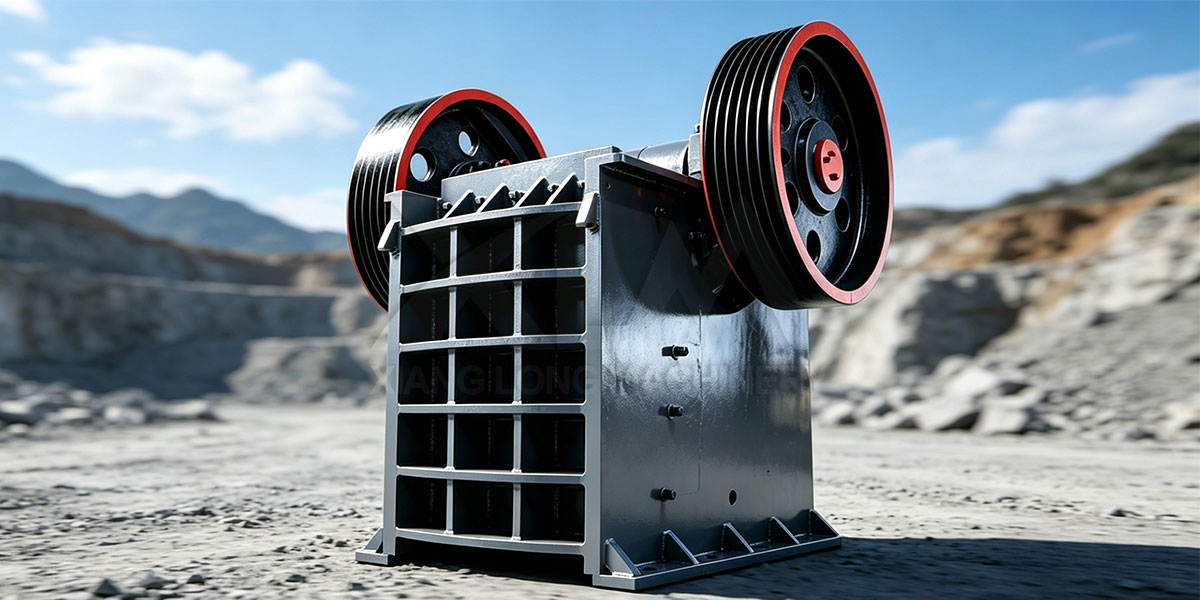
How the Jaw Crusher Stone Crusher— and What That Means for Your Project:
Jaw Crusher Crushing Mechanism
A jaw crusher does its work through compression, not impact. The eccentric shaft drives the swing jaw forward and back about 250–300 strokes per minute (slower on the big PE 1500×1800: 180 r/min). Feed material drops into the cavity, gets squeezed between the swing jaw and the fixed jaw, fractures, drops down the cavity, gets squeezed again, and exits through the discharge gap once it's small enough.
What this means in practice: the Jaw crusher handles anything brittle and hard, up to about 320 MPa compressive strength. Granite at 180–220 MPa, basalt around 250 MPa, limestone at 80–110 MPa, iron ore, copper ore, river pebble, concrete demolition rubble with rebar — all of these are normal feed for this machine. What it does not do well: sticky, plastic, wet clay-bound material, where the cavity packs and the throughput collapses. If your feed analysis shows above about 12% moisture combined with clay content, you'll want a vibrating-grizzly bypass ahead of the crusher to ditch the fines before they cake the cavity.
Jaw Crusher Feed Sizing — Get This Right
Three numbers govern Jaw crusher model selection: maximum feed size (column 3 in the spec table), target throughput, and target discharge size. Get the maximum-feed-size wrong and the machine bridges — material wedges across the cavity instead of dropping down, and throughput drops to roughly nothing.
Rule of thumb in the field: keep your largest feed rock at or below 80% of the rated maximum feed size. So for a PE 600×900 rated at 500 mm max feed, you should be sizing your blast pattern to deliver fragments mostly under 400 mm. The 20% headroom absorbs the inevitable overlarge pieces without forcing the operator to stop and break boulders manually at the feed hopper.
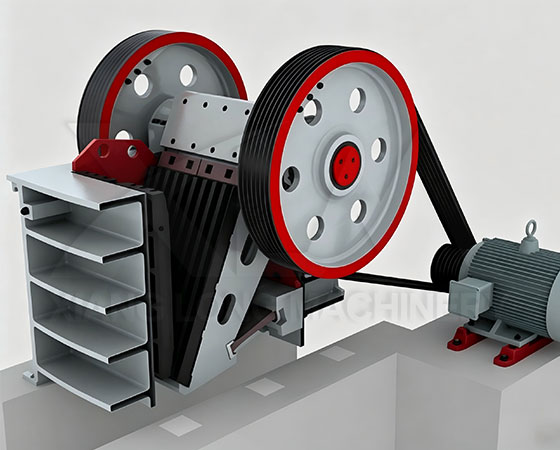
Jaw Crusher Discharge Adjustment
Discharge size is controlled by the closed-side setting (CSS) — the gap at the bottom of the cavity. On every PE jaw crusher model the CSS is adjustable through the range shown in column 4 of the spec table, using a shim pack or a hydraulic wedge depending on frame size. jaw crusher PE 400×600 and below: shim adjustment, takes about 40 minutes with two technicians. jaw crusher PE 600×900 and above: hydraulic wedge, takes about 8 minutes with one operator from the control cabin.
Setting CSS is a balance: tighter setting gives smaller product but lower throughput and higher liner wear; looser setting gives the opposite. Most aggregate quarries run the PE somewhere in the middle third of its CSS range and then take final sizing on the secondary cone or impactor downstream.
Jaw Crusher What Wears, and How Fast
Two things wear on a jaw crusher: the jaw plates (consumable) and the bearings (rare but expensive if they fail). XLM ships PE jaw crusher machines with Mn14Cr2 high-manganese steel jaw plates as standard, with Mn18Cr2 available as an upcharge for harder, more abrasive feed.
Field guidance on liner life by material:
Feed material | Approximate plate life (per set, before reversing) | After reversal (combined total) |
River gravel, soft limestone (Mohs 3–4) | 380,000–520,000 tonnes | ~ 850,000 tonnes |
Granite, basalt (Mohs 6–7, 180–250 MPa) | 220,000–300,000 tonnes | ~ 480,000 tonnes |
Iron ore, abrasive ore | 140,000–190,000 tonnes | ~ 320,000 tonnes |
Numbers above assume the machine runs at the middle-third CSS and the operator reverses the plates the first time wear becomes asymmetric (usually around the 60–65% wear-life point). Push the first set further than that and the second-side life drops by roughly 30%.
Where the Jaw crusher Actually Gets Deployed:
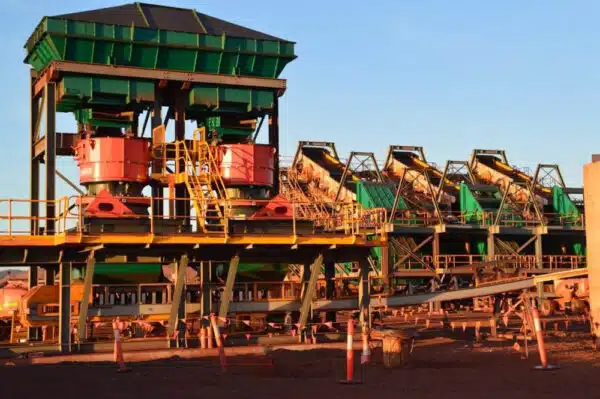
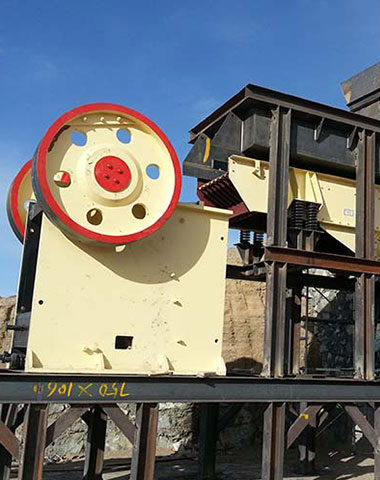
Aggregate quarrying — the largest single market.Jaw crusher PE 600×900 and PE 750×1060 are the dominant choices for stationary aggregate quarries in the 150–350 t/h band, feeding a secondary cone (typically HP series) and downstream screening. The combination produces road base, asphalt chip and concrete coarse aggregate against EN 12620 and GB/T 14685 specs.
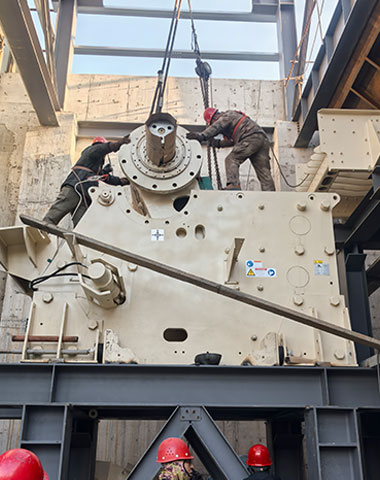
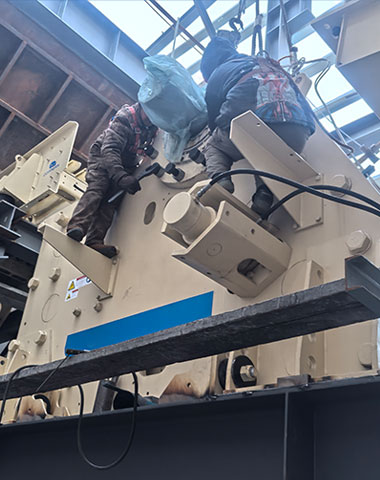
Iron and copper ore primary crushing. Mining operations running open-pit ore typically pair a Jaw crusher PE 900×1200 or PE 1200×1500 with a stationary semi-mobile chassis, feeding a secondary cone before SAG or ball-mill grinding. Frame mass on these larger models (52–80 tonnes for the PE 1200×1500) means the foundation design matters — undersized concrete footings vibrate, and vibration kills bearing life faster than crushing load ever will.
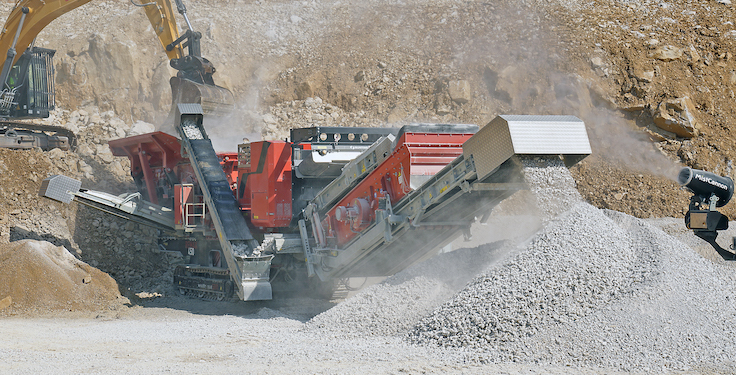
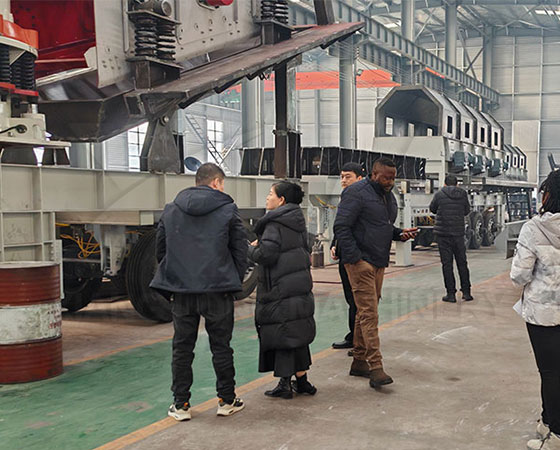
Construction & demolition recycling. Jaw crusher PE 400×600 and PE 500×750 are the standard primary on mobile C&D plants — track-mounted or wheel-mounted (Four-Combination Mobile Crushing Station). The jaw handles rebar embedded in concrete without damage, provided the operator runs an overband magnetic separator downstream of the primary discharge to pull the steel before it reaches the secondary impactor.
Cement and refractory raw materials. Smaller Jaw crusher PEX models, particularly Jaw crusher PEX 250×750 and PEX 300×1300, are common in cement plant limestone preparation and refractory raw-material crushing where a narrow, controlled discharge gradation matters more than maximum throughput.
Which Jaw Crusher Model for Which Project — Quick Reference
Project type | Typical throughput | Recommended model | Notes |
Pilot plant, small artisanal mining | 1–8 t/h | PE 150×250 / PE 200×300 | Bench-scale; usually diesel-engine-driven |
Small quarry, mortar-sand line | 15–55 t/h | PE 250×400 / PE 400×600 | Mobile-mountable on a single trailer |
Mid-scale aggregate quarry | 50–180 t/h | PE 600×900 | Single most-ordered model worldwide |
Large aggregate, mid-scale mining | 110–320 t/h | PE 750×1060 | Common pair with HP300 cone secondary |
Large mining, regional aggregate | 220–500 t/h | PE 900×1200 / PE 1000×1200 | Stationary, concrete foundation required |
Heavy mining, major quarry | 400–1,000 t/h | PE 1200×1500 / PE 1500×1800 | Semi-mobile chassis; bearing maintenance critical |
Frequently Asked Questions AboutJaw Crusher:
Q: What's the realistic price range for a jaw crusher?
A: Pricing depends much more on frame size than on country of dispatch. Indicative EXW China for a complete jaw module (frame, jaw plates, motor, drive guard, base frame): the Jaw crusher PE 250×400 lands around USD 6,000–8,500; PE 600×900 around USD 22,000–32,000; PE 900×1200 around USD 58,000–78,000; PE 1500×1800 around USD 145,000–185,000. Final quotation depends on jaw plate metallurgy, motor spec, optional hydraulic CSS, and packaging for sea freight. Jaw crusher for sale Send the model you're sizing and we'll quote inside 48 hours.
Q: How long does a set of jaw plates actually last?
A: See the wear table in the Function Description above. The short answer: on granite at 180–220 MPa, plan for roughly 220,000–300,000 tonnes of throughput before reversing the plates, and another 180,000–200,000 tonnes after the flip. On limestone, roughly double. Plates from XLM are Mn14Cr2 as standard; ask for Mn18Cr2 if your feed is silica-heavy or you're running closer to the 320 MPa upper end of the operating envelope.
Q: Can it handle wet, sticky feed?
A: Up to about 12% moisture without intervention, the cavity self-clears. Above 12% — especially when combined with clay content above roughly 8% — the cavity packs and throughput collapses. Two fixes: install a vibrating grizzly ahead of the feed hopper to remove the fines that cause packing, or add a water-spray ring at the discharge to wash sticky residue off the jaw plates. Both add CAPEX; the grizzly is the more common choice because it also reduces fines passing through to the secondary cone.
Q: What's the delivery and commissioning timeline?
A: Manufacturing lead time for stocked frame sizes (PE 250×400, 400×600, 600×900): 15–25 days. Larger frames (PE 1200×1500 and up) are built to order: 45–60 days. Sea freight: typically 30–45 days to Africa, Latin America or Southeast Asia. Site installation for a stationary primary jaw: 6–9 days with a 4-person crew, plus 3–5 days for commissioning under an XLM engineer's supervision.
Q: Do you provide installation and operator training?
A: On-site commissioning by an XLM engineer is included as a separate quotation line — the engineer's time is typically free; you cover the round-trip airfare and on-site accommodation. Training during commissioning covers operation, daily lubrication routine, jaw-plate replacement procedure, and CSS adjustment. Most field failures we see come back to skipped lubrication intervals — not design weakness — so we put roughly two-thirds of the training time on the maintenance routine.
Q: What standards and certifications does the machine meet?
A: CE marking is available for European destinations; the EAC mark for Russian / Eurasian Customs Union projects; SONCAP for Nigerian projects. ISO 9001 for the manufacturing system. We do not market the PE as"compliant with EU machinery directive"without confirming the specific Annex IV requirements for your project — some configurations require an additional safety guarding kit that we add as an option rather than a default.
Q: What's the typical operating cost per tonne?
A: Three components: power (USD 0.04–0.09 per tonne depending on local electricity tariff and CSS), liner wear (USD 0.08–0.18 per tonne for granite, USD 0.04–0.09 for limestone), and routine grease/oil (USD 0.01 per tonne). Total operating cost on a typical granite quarry: around USD 0.18–0.35 per tonne through the primary jaw. This excludes labour and depreciation, which are project-specific.
Q: Will a smaller PE Jaw Crusher work as a primary on a mobile plant?
A: Yes — Jaw crusher PE 400×600 and jaw crushr PE 500×750 are the most common primary jaws on wheel-mounted mobile crushing plants in the 60–110 t/h band. For track-mounted plants in the same capacity band, we'd more often pair a smaller jaw crusher with an integrated grizzly feeder on the same chassis. Browse the Mobile Crushing range for plant-level options.

Plan Your Primary Crushing Line
Review: XLM Engineering Department