
Construction & Demolition Waste Recycling — Mobile Crushing Plants for the Circular Construction Economy
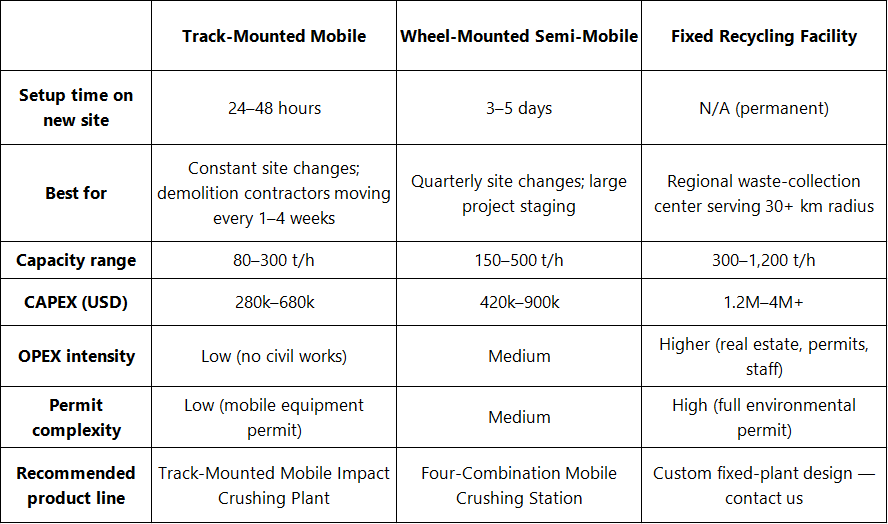
Track-mounted and wheel-mounted crushing stations turning demolition rubble into saleable recycled aggregate on-site. 100 t/h to 500 t/h. Deployed in 24 hours.
Why the C&D Waste Market Is the Fastest-Growing Crushing Sector
Global construction generates roughly 3 billion tonnes of demolition waste each year — concrete, asphalt, masonry, mixed rubble — and the share being recycled is climbing fast as cities run out of landfill capacity and tighten green-building procurement rules. The EU now mandates 70% recovery rate for non-hazardous C&D waste; China's "Zero-Waste Cities" pilot has expanded to over 100 municipalities; and US state programs from California to Massachusetts now make recycled aggregate use a procurement requirement on public works. The opportunity for contractors and waste-processing operators is real, large, and growing.
XLM has spent the last 8 years building mobile-crushing solutions specifically for this market: equipment that arrives on a flatbed, sets up in a day, processes mixed C&D rubble with integrated steel separation, and ships off-site when the project's done.
150+
Mobile C&D recycling plants deployed
24 hrs
Typical setup time on a new demolition site
70 – 95%
Recycled aggregate yield from input rubble
40+
Countries with active C&D recycling installations
From Demolition Rubble to Saleable Aggregate — On Site, in One Pass
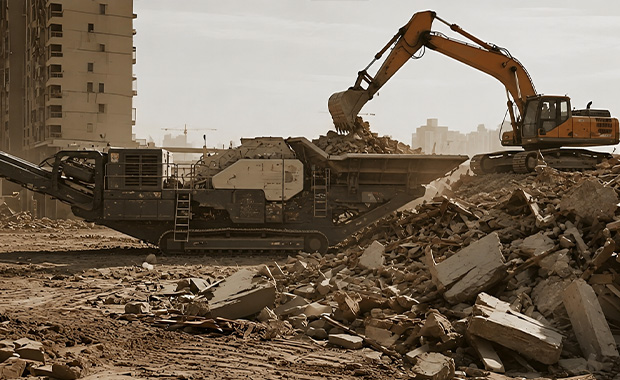
A single 30-storey building demolition produces 20,000 to 40,000 tonnes of mixed concrete, brick, mortar and steel rebar. The traditional approach — truck everything to a landfill 50+ kilometres away, pay tipping fees, then truck virgin aggregate from a quarry back to the next construction site — has become economically and environmentally untenable in most urban markets.
XLM's mobile crushing solutions invert that flow:
On-site processing. The mobile plant arrives on the demolition site within days of the wrecking ball. Rubble feeds directly into the crusher; no off-site logistics.
Integrated steel separation. A suspended overband magnetic separator strips out rebar and embedded steel before final screening — typically 8–15 kg of steel per tonne of rubble, which itself sells back to scrap markets at meaningful prices.
Saleable on-spec output. The plant produces recycled coarse aggregate (RCA) at 5–40 mm and recycled fines at 0–5 mm, both meeting EN 12620 or AASHTO M283 specs for use in road base, sub-base, structural backfill, and (with quality control) concrete C20–C30.
Sub-week project payback in many markets. When landfill tipping fees are USD 15–35/tonne and virgin aggregate sells for USD 12–20/tonne, the spread that on-site recycling captures is enormous — often returning the entire plant cost on a single mid-size demolition project.
Configurations by C&D Waste Stream
Different demolition produces different feed. Pick the configuration matching your dominant rubble type.
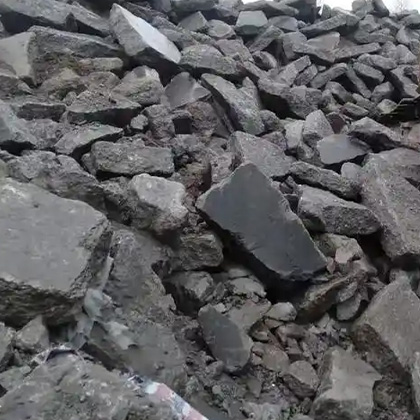
Pure Concrete (Highway, Runway, Industrial Floor)
Cleanest feed. Single-machine track-mounted impact crusher delivers full saleable recycled aggregate with minimum sorting overhead. Best yield (up to 95%), highest-grade output (suitable for new concrete mix at 30–50% RCA substitution).
Recommended :
Track-mounted Mobile Impact Crushing Plant with overband magnet
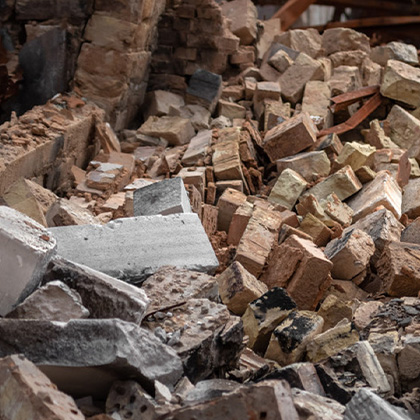
Building Demolition — Concrete + Brick + Mortar
The most common feed. Jaw + impact two-stage configuration handles variable feed hardness. Pre-sorting belt strips wood, plastic, gypsum board before the magnet removes rebar. Yield typically 80–90% saleable aggregate.
Recommended :
Four-Combination Mobile Crushing Station with pre-sort conveyor + overband magnet + screening trailer
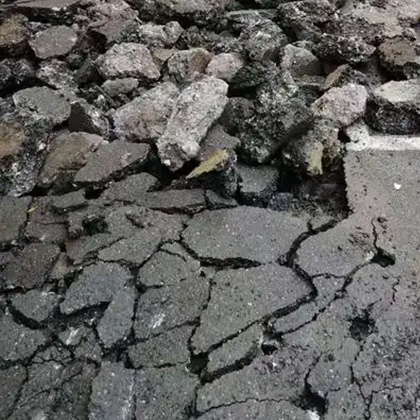
Reclaimed Asphalt Pavement (RAP)
Asphalt millings from road resurfacing projects. Single-stage jaw or low-energy impact crushing — keep temperatures low to preserve the binder. Output feeds straight back into asphalt mix plants at 20–40% RAP substitution.
Recommended :
Track-mounted jaw — low-RPM operation. See mobile crushing range for asphalt-specific configurations.

Excavation Waste — Subway, Pipeline & Foundation
Four-stage flowsheet with redundant primary capacity, long-belt linkages and PLC central control. We typically deploy Euro-type jaws for tougher feed sizes and parallel cone-crusher trains for uptime. Power 1.5–2.5 MW. Engineered for 7,000+ operating hours per year.
Recommended :
Wheel-mounted mobile screening + crushing combo — see mobile crushing range
What Recycled Aggregate Actually Sells As — Four Markets
Recycled aggregate isn't a single product. It's four products at four price points. Knowing your output market before you size the plant is the difference between fast payback and stranded capital.
What Recycled Aggregate Actually Sells As — Four Markets
Recycled aggregate isn't a single product. It's four products at four price points. Knowing your output market before you size the plant is the difference between fast payback and stranded capital.

Road Base / Sub-Base · 0–40 mm
The largest end market by tonnage. Recycled concrete aggregate at 0–40 mm graded mix meets AASHTO M283 and EN 13242 specs for road sub-base layer, parking lot foundations, and rural road surfacing. Selling price USD 8–15/tonne in most markets.

RCA for New Concrete Mix · 5–25 mm
Three-stage layout with separate sand-making circuit. Handles granite, basalt, river pebble and other hard rocks at Mohs 6– 7. Produces 4–5 saleable gradations from a single line, including 0–5 mm manufactured sand. Power 600–900 kW. Plot area 80 × 120m.

Precast — Permeable Pavers, Curbs, Grass Blocks
The highest-value path. Recycled fines and coarse aggregate feed an on-site precast line producing permeable pavers, traffic curbs, and "sponge city" grass blocks. Vertical integration captures the full retail margin — finished product USD 80–180 per cubic metre.
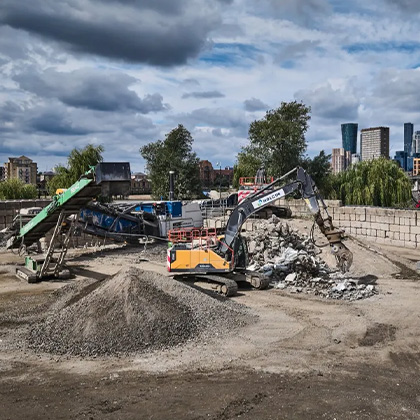
Structural Backfill & Site Grading · Mixed
The fallback market. Low-grade recycled aggregate, mixed fines and coarse, sold for foundation backfill, site levelling, and landscaping fill. Selling price USD 4–8/tonne — but absorbs material that fails higher-grade specs, keeping the plant balanced.
C&D Recycling Equipment — The 9 Machines That Build a Line
Click any model to see specifications, capacity tables, and case references.
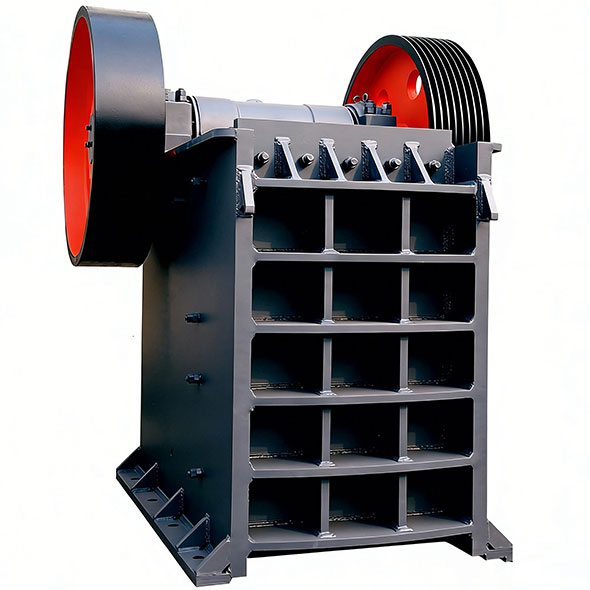
Primary breaker for mixed C&D rubble. Handles rebar without damage. Feed up to 600 mm.
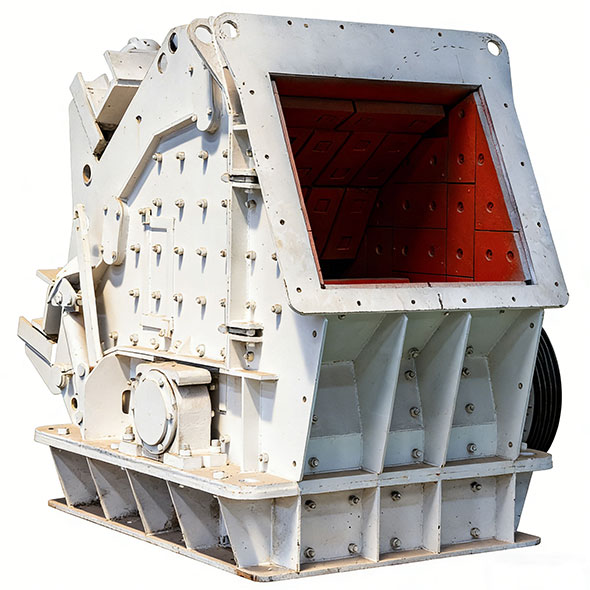
Secondary impact for cubical RCA shape. Best for pure concrete feed.

PF Impact Crusher
Workhorse mid-capacity impact crusher. Common in C&D mobile setups.

Self-propelled, 24-hour deployment. Standard for urban demolition.
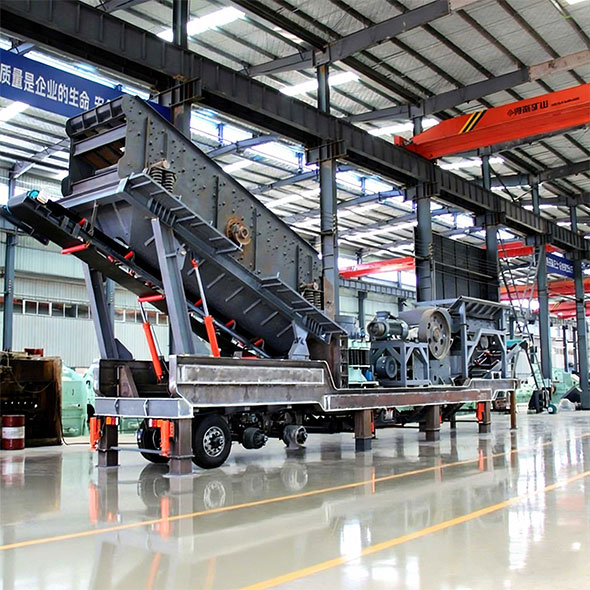
Jaw + impact + screen + return on one wheel-mounted train.

Circular Vibrating Screen
Multi-deck sizing for RCA grading: 0–5 / 5–10 / 10–25 / 25–40 mm.
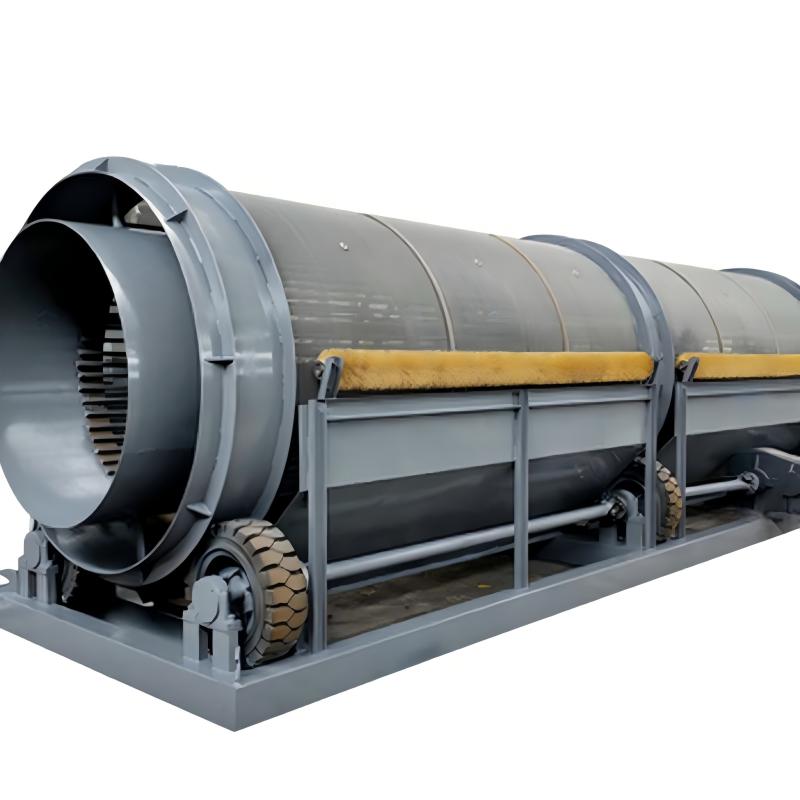
Pre-screen for heterogeneous excavation waste — separates fines/earth before crushing.
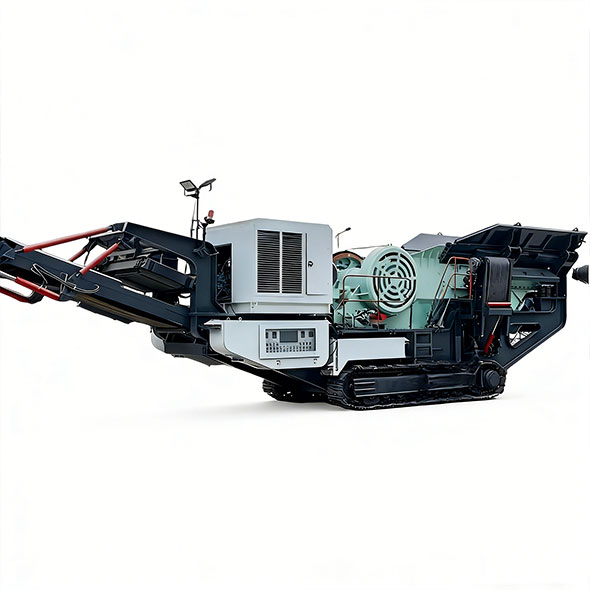
Browse the full range — track-mounted, wheel-mounted, and combination plants.
C&D Recycling — Frequently Asked Questions
A: In urban markets with high landfill tipping fees (USD 20+/tonne) and active recycled-aggregate demand, payback runs 6–14 months for a 150–250 t/h mobile plant. The calculation has three revenue streams: avoided landfill cost, recycled aggregate sales, and recovered scrap steel — together they typically generate USD 12–25 net margin per tonne of input rubble.
A: Yes — for non-structural and most general structural applications. EN 12620, ASTM C33, and JIS A 5021 all permit 20–50% RCA substitution in C20–C30 concrete with appropriate quality control on water absorption (RCA absorbs more than virgin stone) and chloride content. For higher-strength concrete (C40+) substitution rates drop to 10–20%.
A: A suspended overband magnetic separator mounted above the discharge conveyor of the primary crusher pulls free all ferrous metal — typically 8–15 kg of steel per tonne of demolition input. The recovered steel sells back to scrap markets at USD 180–280/tonne, adding meaningful secondary revenue to the operation.
A: For mixed demolition rubble, we recommend adding a manual pre-sort conveyor ahead of the crusher (2–3 sorters per shift can remove 95%+ of wood, plastic, gypsum board, and other non-mineral contaminants). For higher automation, optical sorters and air-jet separators can be retrofitted but typically only pay back at very high throughputs (300+ t/h).
A: Depends on the site. Single building demolition (10,000–40,000 tonnes of rubble) runs the plant for 2–8 weeks. Multi-phase urban renewal sites can keep a mobile plant productively engaged for 6–18 months before relocation. Major motorway reconstruction projects regularly engage a plant for 2–3 years on the same corridor.
A: Yes. Every delivery includes on-site commissioning by an XLM engineer (1–2 weeks) covering operation, daily maintenance, and the wear-parts replacement schedule. Spare parts are typically dispatched within 7 working days globally; major rebuild support is available with engineer dispatch on request.
Building a C&D Recycling Operation? Let's Spec It Out.
Tell us your monthly waste tonnage, dominant waste type, deployment model (mobile/fixed), and end-product target market — we'll return a sized configuration, plant layout, and full quotation within 7 working days.