

CJ Euro Primary Jaw Crusher: Bolted-Frame Stationary & Mobile Solutions
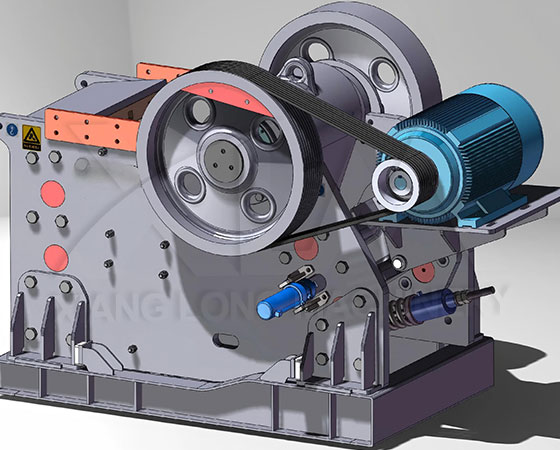
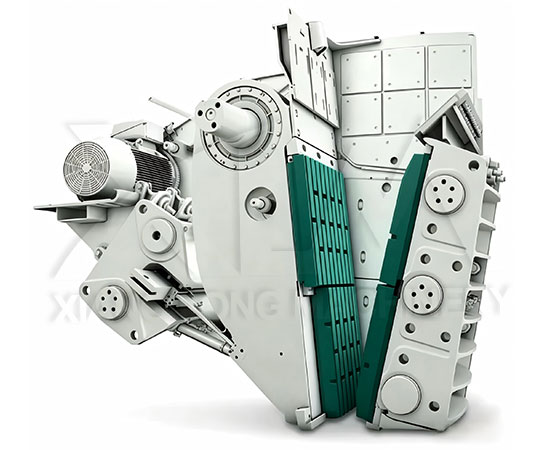
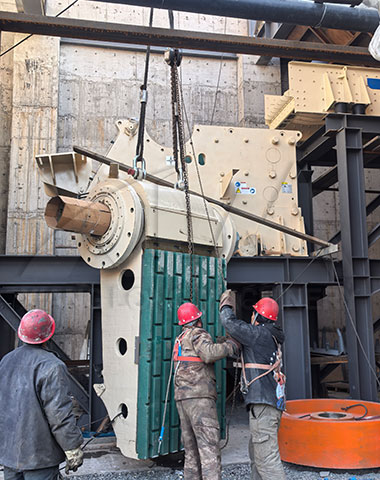
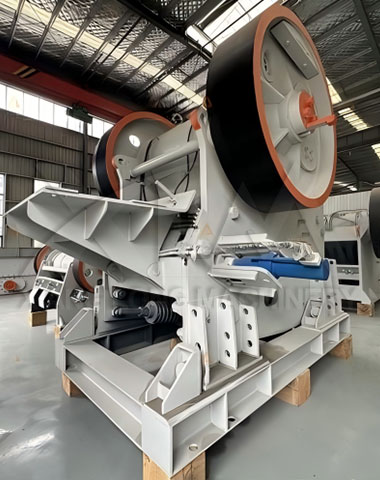
CJ Euro Jaw Crusher was engineered to address these issues from the ground up. Instead of relying on a traditional welded structure, it adopts a modular non-welded frame connected by precision-machined pins and high-strength bolts. This design absorbs impact loads more effectively and significantly reduces the risk of structural fatigue during long-term operation.
The symmetrical deep crushing chamber combined with an optimized nip angle allows material to enter smoothly and move efficiently through the chamber, improving throughput while reducing blockages. A wedge-based discharge adjustment system enables fast and accurate setting changes without lengthy shutdowns.
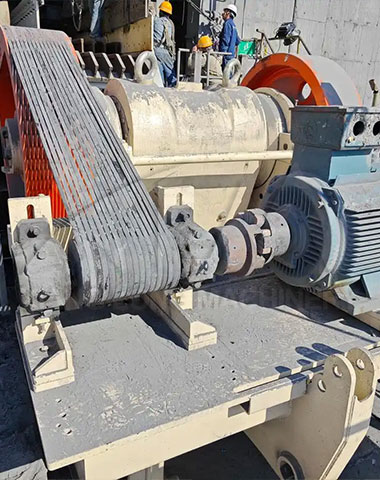
Large heavy-duty bearings, an integrated motor base, and a vibration-damping foundation further enhance operational stability. Whether processing hard granite, abrasive basalt, recycled concrete, or various ores, CJ Euro Jaw Crusher delivers reliable primary crushing performance with lower maintenance requirements and improved production efficiency.
Specification Of CJ Euro Mining Jaw Crusher:
Model | Feed Size | Capacity | Power | Scene |
CJ80 | 800×510 | 65-380 | 75 | For Fixed Line |
CJ100 | 1000×760 | 150-545 | 110 | |
CJ110 | 1100×850 | 190-625 | 160 | |
CJ125 | 1250×950 | 290-845 | 160 | |
CJ140 | 1400×1070 | 385-945 | 200 | |
CJ160 | 1600×1100 | 520-1275 | 250 | |
SC96 | 930×580 | 120-455 | 90 | For Mobile Line |
SC106 | 1060×700 | 155-580 | 110 | |
SC116 | 1150×800 | 170-600 | 132 | |
SC120 | 1200×870 | 303-529 | 160 |
- Feed size vs intake: match your largest feed rock to the model opening, keeping the 80% rule in mind.
- CSS vs throughput: a tighter CSS gives finer output but lower tonnage; a wider CSS pushes volume for a downstream PF Impact Crusher.
- Operating weight: needed for foundation design on a stationary jaw crusher, or for axle loads on a Mobile Crushing Plant.
CJ Euro Series Primary Jaw Crusher for Stationary and Mobile Lines
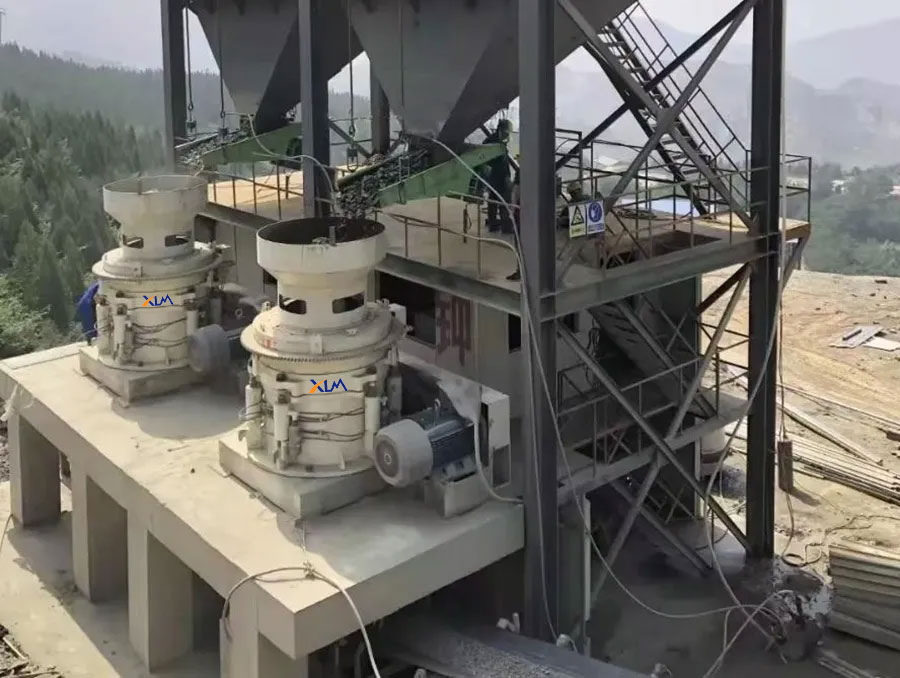
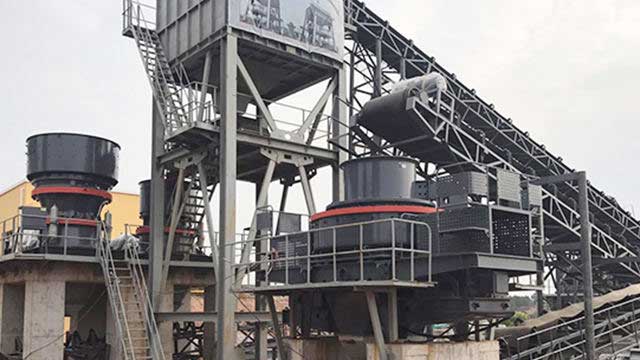
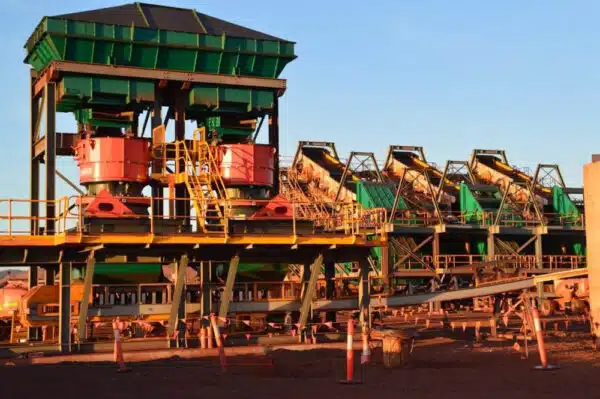
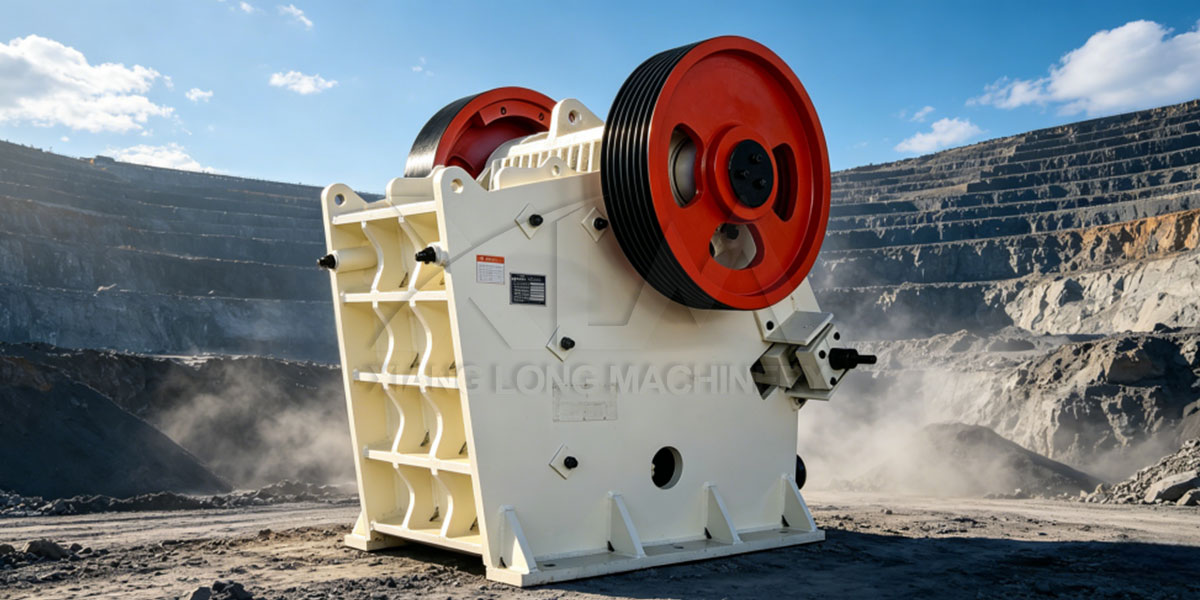
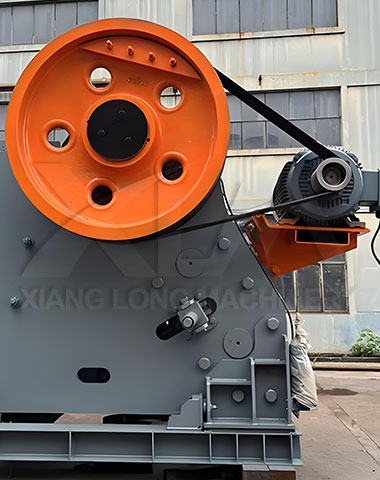
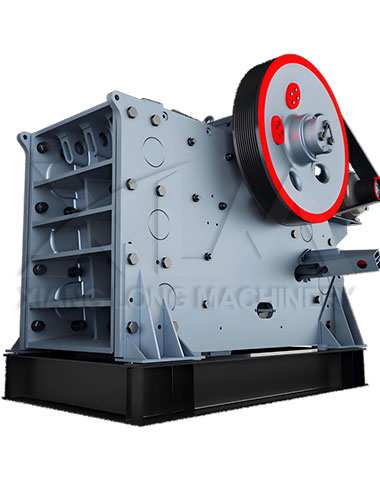
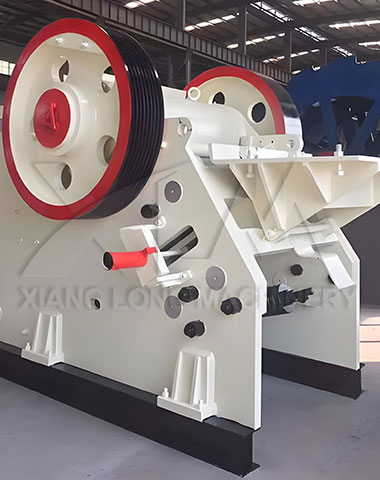
The CJ Euro Series is XLM's heavy-duty primary jaw crusher line, built around a modular bolted frame instead of a single welded body. The bolted construction spreads load across the connection points rather than concentrating it at weld seams, which is why operators choose it as a stationary jaw crusher for high-intensity mining and large aggregate plants.
The line runs from the compact CJ80 up to the CJ160 on fixed foundations, with the SC96 to SC120 covering mobile setups. Together they handle a production range of roughly 10 to 1500 t/h on rock up to 350MPa. The sections below give you the specifications first, then the selection logic and field experience behind them.
Technical Mechanics
Operational Functionality
Field Notes from the XLM Technical Team
On a hard granite quarry running a CJ110 on a fixed foundation, the bolted frame changed how the crew handles maintenance. A piece of tramp iron came through the cavity, and the steel toggle plate yielded the way it is meant to. Because it is a dry, bolt-on part, the team swapped it in under 45 minutes (the 42CrMo shaft showed no measurable deflection afterward). The line was back at full feed before the next haul truck arrived.
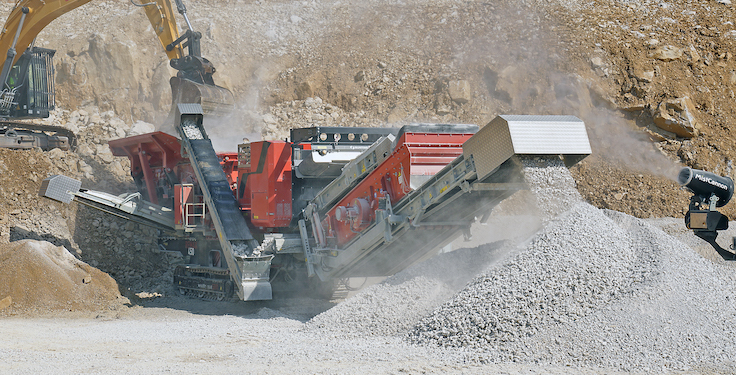
Across mobile installs on the SC series, the same modular frame is what makes site-to-site moves practical. The crusher splits into sections for transport, then reassembles with standard hydraulic tools instead of needing a heavy single-piece lift. On wet, clay-heavy limestone the deep-V cavity has kept material moving where shallower chambers tend to pack at the discharge.
Wear Life (Estimated Throughput)
Actual life depends on Mohs hardness and silica content. Use these ranges for maintenance planning, and replace plates at about 20% of original thickness to protect the jaw stock.
Material Type | Estimated Liner Life (Mn13Cr2) |
Low abrasion (limestone, calcite) | 380,000 to 450,000 tonnes |
Medium-hard (granite, river gravel) | 220,000 to 280,000 tonnes |
High abrasion (basalt, iron ore, quartzite) | 120,000 to 150,000 tonnes |
Q1: Can I run the CJ series jaw crusher in a mobile setup?
A1: Yes. It works as a stationary jaw crusher on a foundation, and the same bolted frame mounts on tracked or wheeled chassis. The lower weight-to-power ratio versus a cast frame makes relocation easier.
Q2: Why pick the jaw compression crusher principle over impact for the primary stage?
A2: Compression drives energy straight into the rock's fracture lines. On abrasive feed with silica above 60%, that means lower wear cost per ton than high-speed impact crushing at the primary stage.
Q3: What is the lead time?
A3: Standard CJ80 to CJ125 units run 15 to 20 days from the factory. Sea freight to European ports such as Rotterdam or Hamburg adds roughly 15 to 35 days depending on the vessel.
Q4: Can it handle feed at 18% moisture?
A4: Yes, up to about 18%. The deep-V cavity keeps that material discharging. For wetter feed, add a scalping screen ahead of the crusher to pull the sticky fines first.
Q5: Is the CJ Euro Jaw crusher CE certified?
A5: Yes. XLM Euro series crushers shipped to the EU and UK are CE certified and built under an ISO 9001 quality system.
Q6: Are wear parts compatible with international brands?
A6: Components follow international metric standards. Key wear parts and bearings line up dimensionally with major European bolted-frame models, so emergency spares are easy to source locally.


Start Your Technical Inquiry
A primary crusher sets the pace for your whole line for the next 10 to 12 years. To put together an accurate proposal, send us these four parameters:
- Material type and hardness (for example, granite around 280MPa)
- Maximum feed size (mm)
- Required output / CSS (mm)
- Target capacity (t/h)
Request a Technical Quote | Chat with a Sales Engineer on WhatsApp