
Find the Right Machine in 3 Clicks — by Material, by Process Stage, or by Equipment Type
Whether you're processing granite in Kenya, limestone in the Philippines, or copper ore in Peru — we have the right machine. Tell us what you need, or follow the guide below.30+ models across 5 categories. We've built three shortcuts so you don't have to scroll through all of them.
Step 1 · What Material Are You Processing?
Pick your raw material — we'll tell you which crusher line and grinding mill it usually runs on.
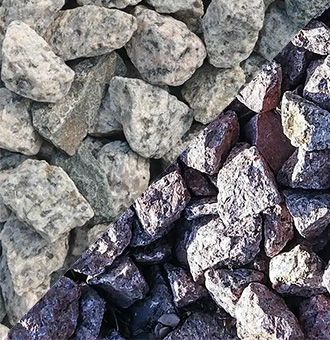
Granite / Basalt — Hard Rock
Mohs hardness 6–7. Highly abrasive. Recommended line: jaw → cone → VSI for cubic-shape aggregate or manufactured sand.
Recommended:
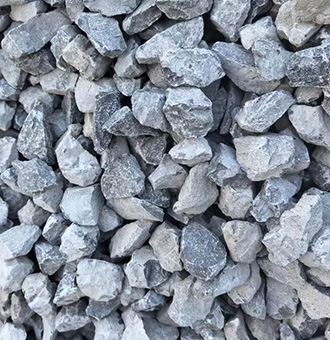
Limestone — Medium-Hard, Low Abrasion
The most common aggregate material. Recommended: jaw + impact crusher for cubic-shape stone in highway and cement plants.
Recommended:
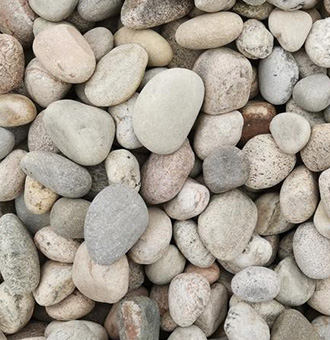
River Pebble — For Manufactured Sand
High silica, very abrasive. The standard manufactured sand line: jaw + cone + VSI, finished with washing.
Recommended:
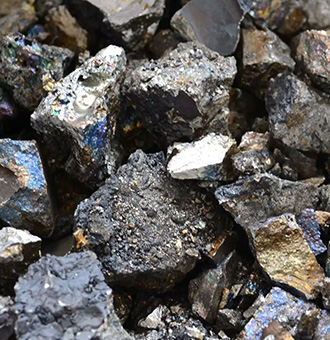
Metal Ore — For Mineral Processing
Two-stage crushing followed by ball-mill grinding before flotation or magnetic separation.
Recommended:
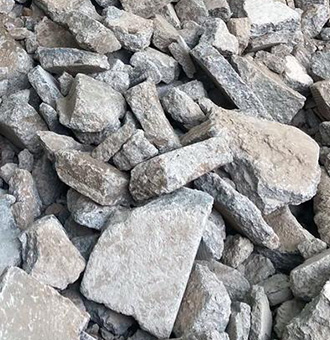
Construction Waste — Mobile Recycling
Demolition concrete, asphalt, bricks. Best handled with a track-mounted mobile plant that moves to the site.
Recommended:
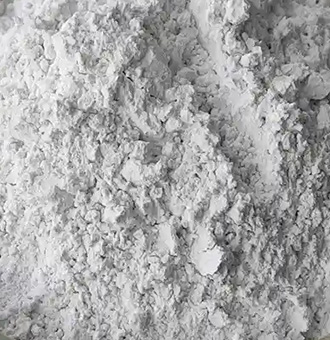
Powder Production — 80 to 325 Mesh
Dry grinding of soft to medium-hard non-metallic minerals. Raymond mill is the workhorse for this finished size.
Recommended:
Step 2 · Which Stage of the Production Line?
Most aggregate and mining lines have 3 to 4 stages. Click the stage you need to see the matching equipment.
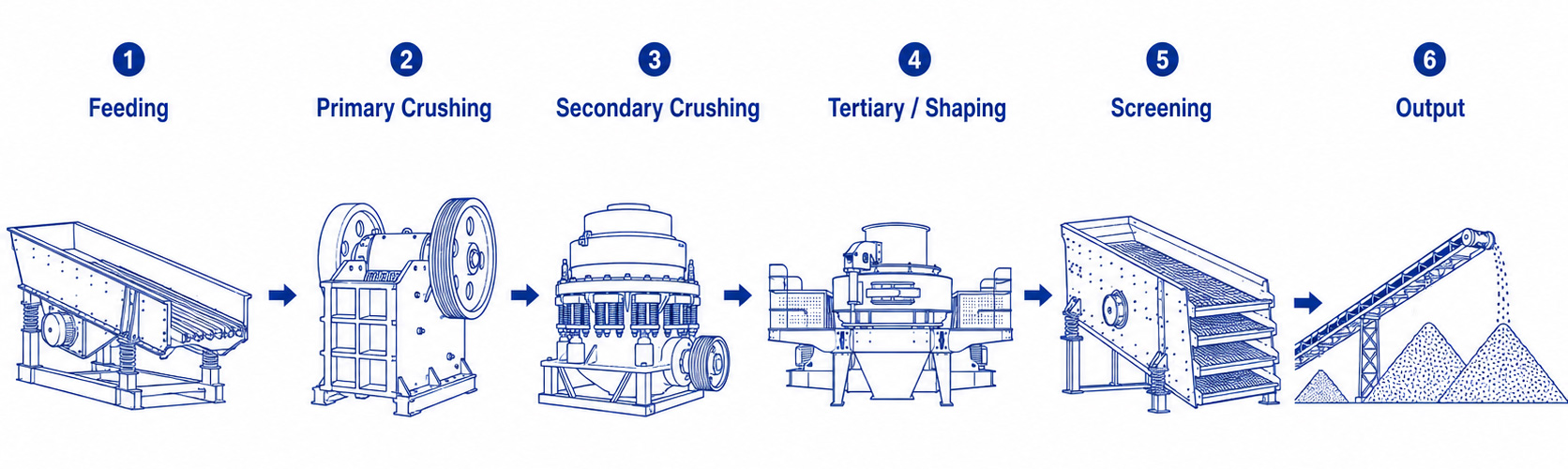
Most aggregate and mining lines have 3 to 4 stages. Click the stage you need to see the matching equipment.
Most aggregate and mining lines have 3 to 4 stages. Click the stage you need to see the matching equipment.
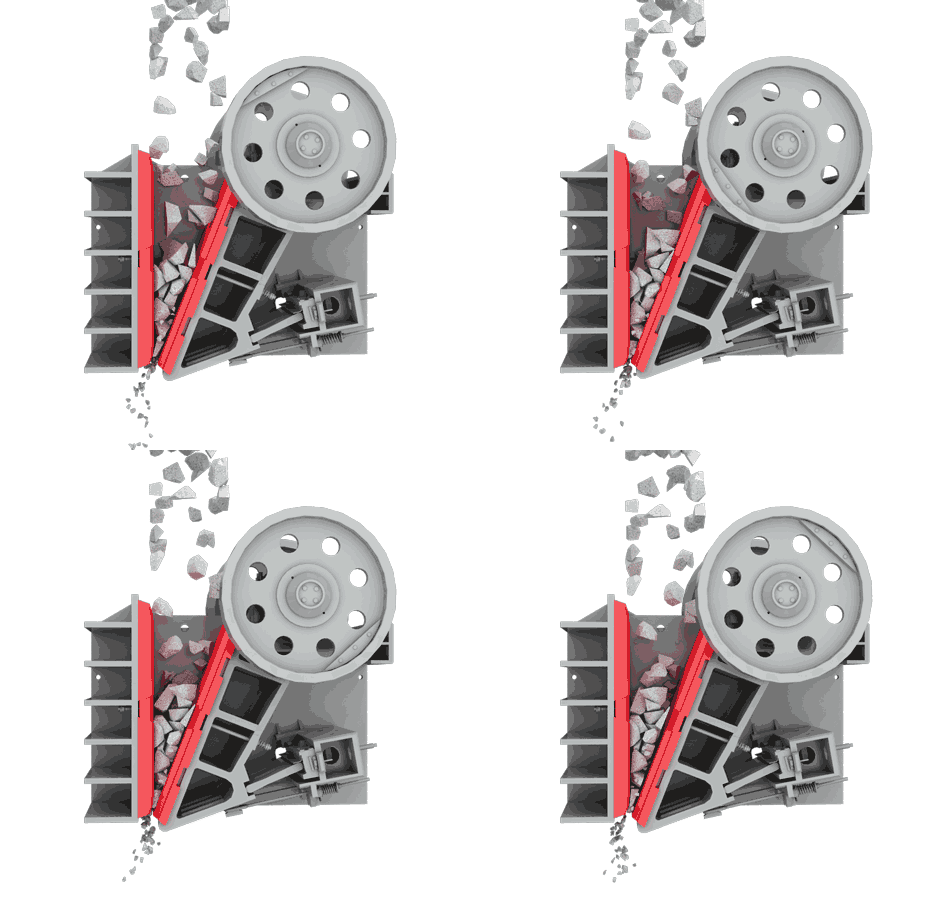
① Primary Crushing — Feed up to 1,200 mm
The first stage. Breaks down quarry-run rock from boulders into 100–300 mm chunks. Jaw crushers dominate this stage; choose Euro-type for premium throughput.
Recommended:

② Secondary Crushing — 100 mm → 30 mm
Reduces primary output to gravel-sized stone. Use cone crushers for hard rock (granite, basalt, iron ore); use impact crushers for soft rock (limestone) when you want cubic-shape product.
For hard rock:
For soft rock with cubic shape:
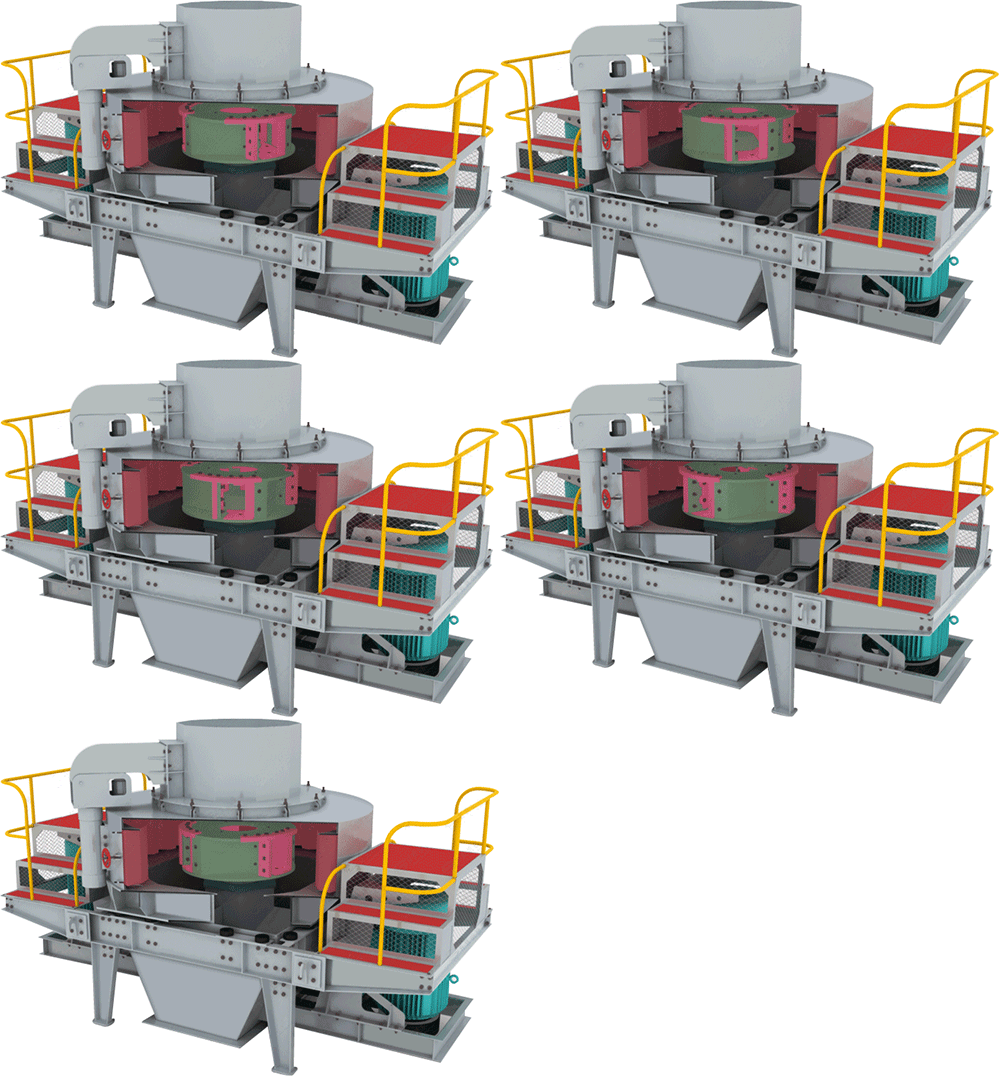
③ Tertiary Crushing & Sand Making — 0–5 mm
Shapes and refines the product into manufactured sand or fine aggregate. VSI ("rock-on-rock") is the standard for sand; fine impact crushers for chipped aggregate.
For manufactured sand:
For compact sand-making lines:
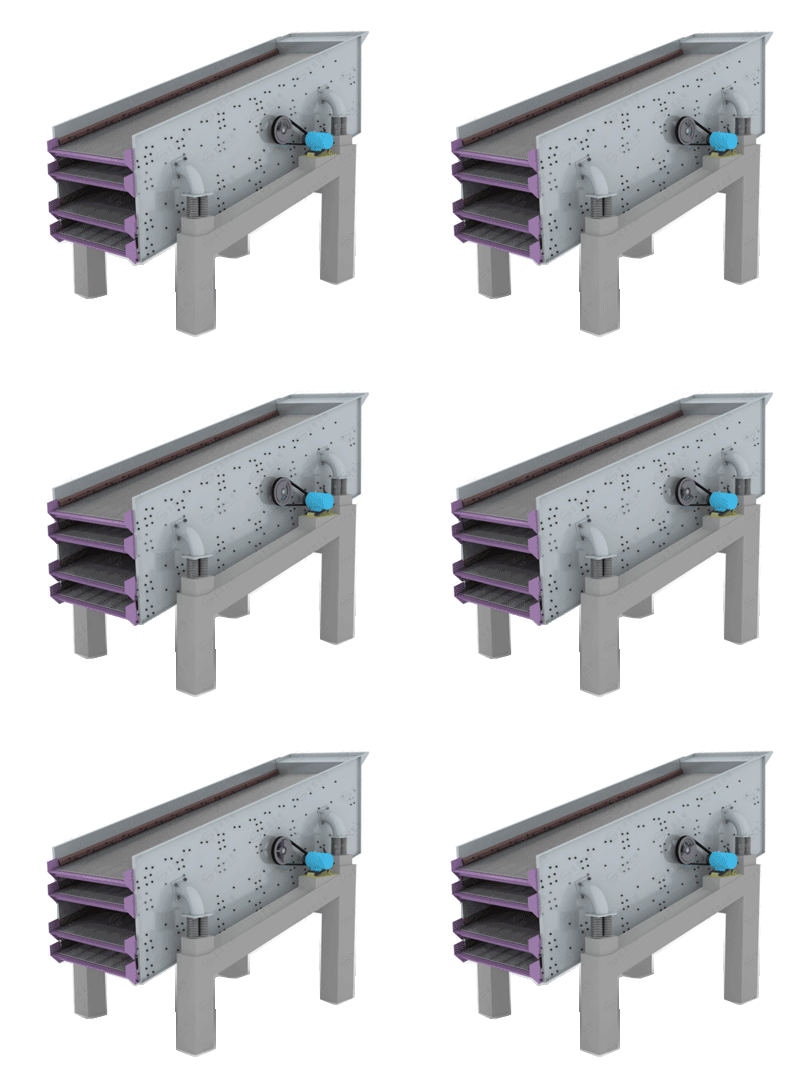
④ Screening, Washing & Feeding — Sizing the Output
Sorts crushed product into commercial size grades, washes off mud/clay, and feeds the line at a steady rate. Indispensable accessories on every production line.
Recommended: