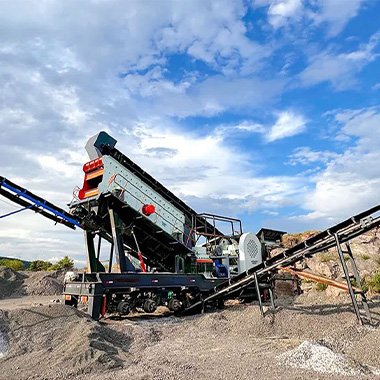
350 TPH Track-mounted Impact Crusher — Limestone Quarry, Brazil
Challenge Of 350 TPH Track-mounted Impact Crusher plant
A limestone quarry in Minas Gerais, Brazil, had been operating below capacity for three years. The existing stationary impact crusher — installed in 2008 — was losing 40-60 production days annually to wet-season flooding between October and March. The quarry pit collected runoff from surrounding hills, and the crusher's ground-level motor and control cabinet had been submerged three times in the previous five seasons, each incident causing 7-14 days of downtime for electrical drying and motor rewinding.
The quarry's geology was favorable: consistent limestone at Mohs 3–4, low silica, feed blocks rarely exceeding 600 mm. But the wet-season constraint meant the quarry could only deliver 180,000 tons annually against a market demand of 280,000 tons. Contractors were importing limestone from 200 km away during the rainy months.
Management wanted a solution that: (1) increased annual output to 280,000+ tons, (2) could operate through the October–March wet season, (3) did not require building a new stationary plant with elevated foundations (capital budget was limited to $350,000), and (4) could be relocated as the quarry face advanced.
Solution
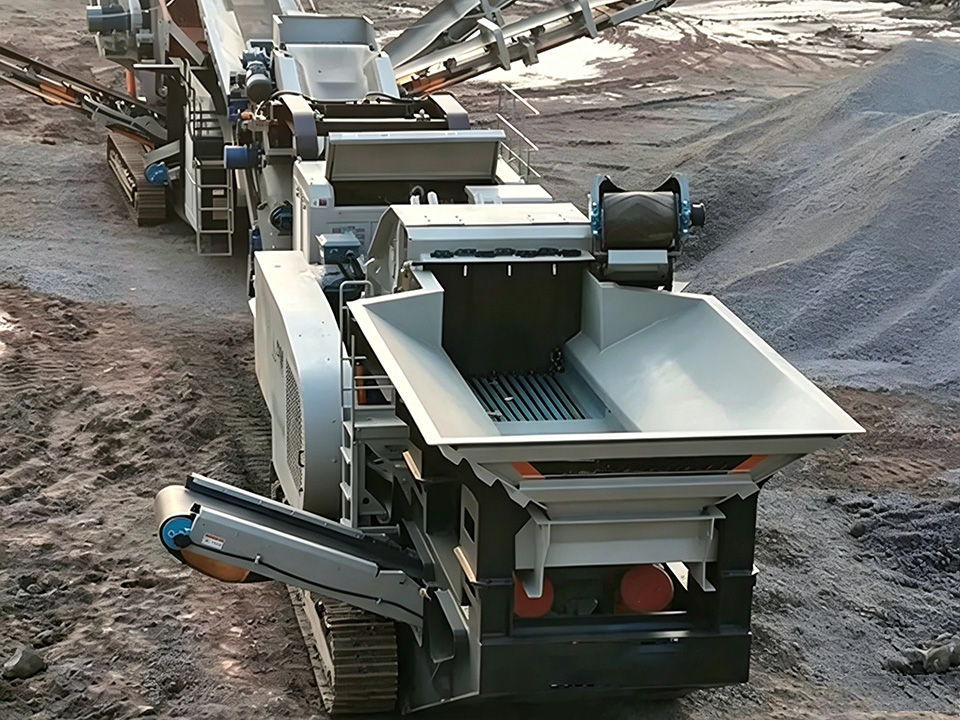
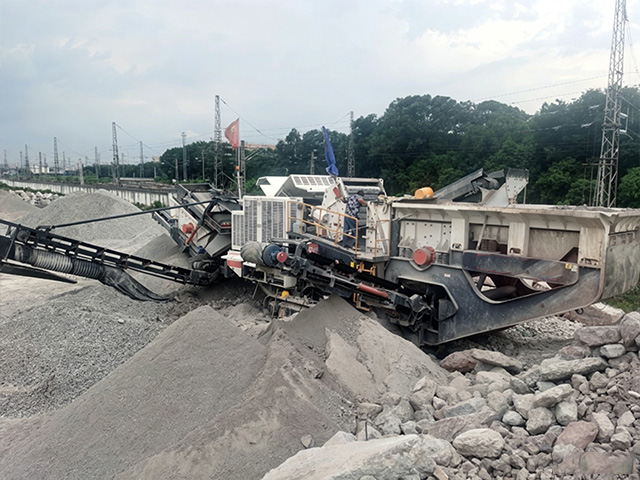
XLM supplied a TF250 tracked mobile impact crusher — a single-machine solution on crawler tracks with an on-board diesel-hydraulic power pack. The key adaptation was monsoon-season hardening:
- Raised under-belly drainage: The crusher chassis was elevated 400 mm above standard with sealed belly pans and reinforced drainage channels directing water away from the rotor housing. The feed hopper included a water-shedding canopy roof.
- Sealed electrics: All electrical cabinets, junction boxes, and cable glands were upgraded to IP66 rating with silicone gaskets and pressure-equalizing breather vents.
- High-chrome blow bars in wedge-lock design: For the abrasive wet limestone (which accelerates wear when mixed with water), XLM specified Cr27 blow bars with the wedge-lock retention system — eliminating the torque-wrench calibration that wet conditions make unreliable.
- On-board 400 kVA diesel generator: The quarry had unreliable grid power during storms. The tracked unit's diesel-hydraulic system enabled continuous operation regardless of grid status.
The TF250 accepted limestone blocks up to 750 mm directly from the excavator. The impact crusher's high reduction ratio (up to 20:1 in the third-apron configuration) produced 0-40 mm material in a single pass — eliminating the need for a secondary crusher. An on-board magnetic separator removed any tramp iron from drill bits or bucket teeth.
Results
- 350 t/h sustained — 17% above the 300 t/h contractual minimum
- Zero wet-season shutdowns in the first two rainy seasons (14 months of operation)
- Annual output reached 312,000 tons — a 73% increase from the previous 180,000-ton average
- Blow bar life of 380 hours on wet limestone — within 10% of dry-season life, validating the Cr27 alloy selection
- Fuel consumption 32 L/h — 12% below the 36 L/h estimate, saving approximately $18,000/year in diesel
- Payback period of 16 months — 4 months faster than projected, driven by the 73% output increase
- Client ordered a TF350 unit in year 3 to add a parallel crushing stream for peak-season demand
Equipment Used
- TF250 Tracked Mobile Impact Crusher (400 kVA diesel-hydraulic)
- Rotor: 1,360 mm diameter, four high-chrome (Cr27) blow bars
- Feed opening: 960×1,360 mm, accepting 750 mm blocks
- On-board over-band magnetic separator
- IP66-sealed electrical system
- Raised chassis with sealed under-belly drainage
Gallery Images
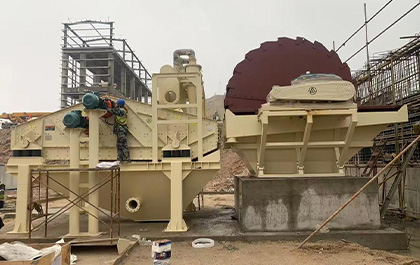
300 TPH Jaw + Cone + Washing Circuit — River Gravel, Ethiopia
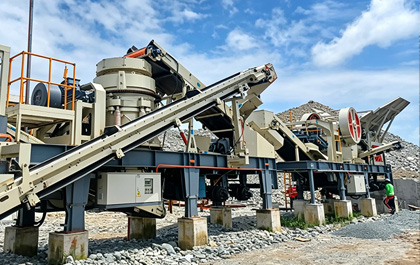
250 TPH Three-Combination Mobile Station — Granite Aggregate, South Africa
Related Article