300 TPH Jaw + Cone + Washing Circuit — River Gravel, Ethiopia
Challenge
An aggregate producer in Ethiopia's Rift Valley had a concession on a seasonal river with substantial gravel deposits — estimated at over 8 million tons. The river flowed only from June to September, providing a four-month window for extracting and processing gravel. The rest of the year, the riverbed was dry and water had to be trucked or pumped from boreholes 12 km away.
The gravel was high-quality for aggregate — rounded river stone from basalt and granite, 50-400 mm, with good crushing strength. But it came with 12-18% clay contamination from flood-deposited silt, which meant washing was mandatory to meet Ethiopian CES 18 standards for concrete aggregate.
Three constraints made this project uniquely difficult:
- Water scarcity: Ethiopia's Rift Valley has strict groundwater extraction limits. The producer's water permit allowed only 15 m³/hour of fresh water extraction. A conventional washing plant would consume 40-60 m³/hour.
- Seasonal operation window: Four months of river flow. The plant needed to process 180,000 tons in that window to meet annual commitments — requiring 300 t/h with 85%+ availability.
- Remote location: The site was 80 km from the nearest town with grid power. Diesel was the only power option, making energy efficiency critical to operating cost.
Solution
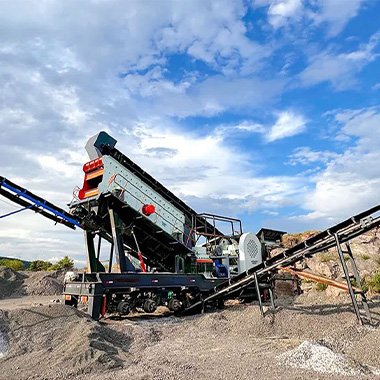
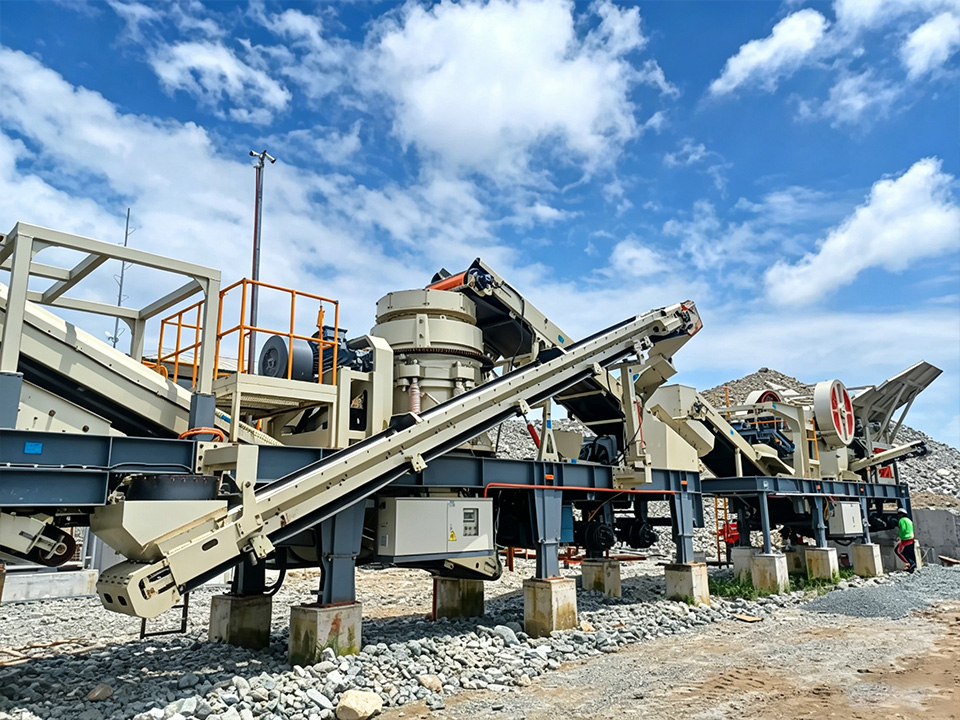
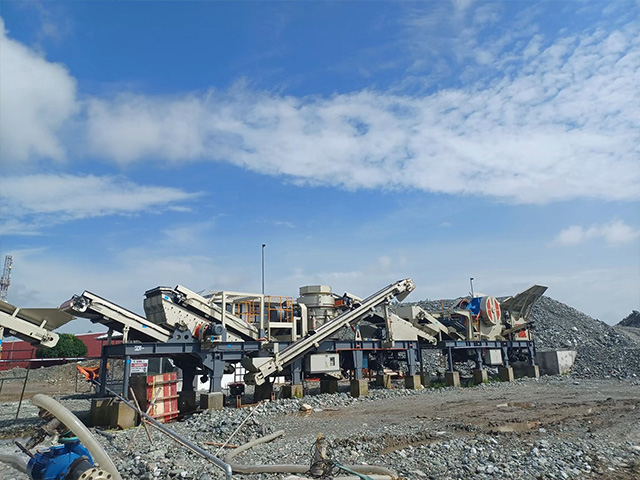
XLM designed a closed-loop water recycling crushing and washing circuit:
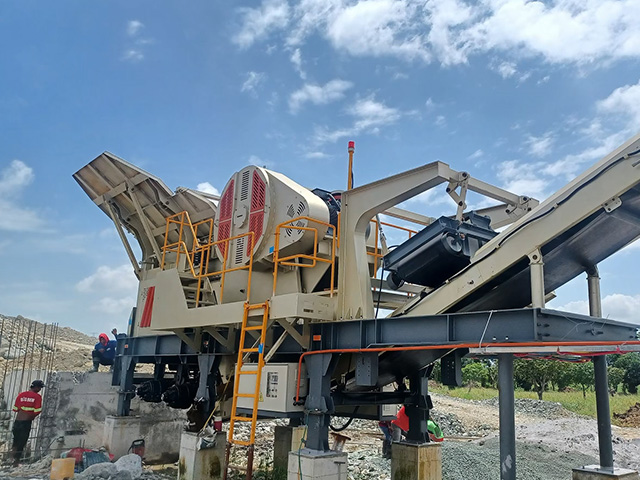
- PE-600×900 jaw crusher (75 kW) reduced river gravel from 400 mm to <80 mm. A vibrating grizzly feeder pre-screened clay fines before the crusher, reducing clay load entering the circuit by 20-30%.
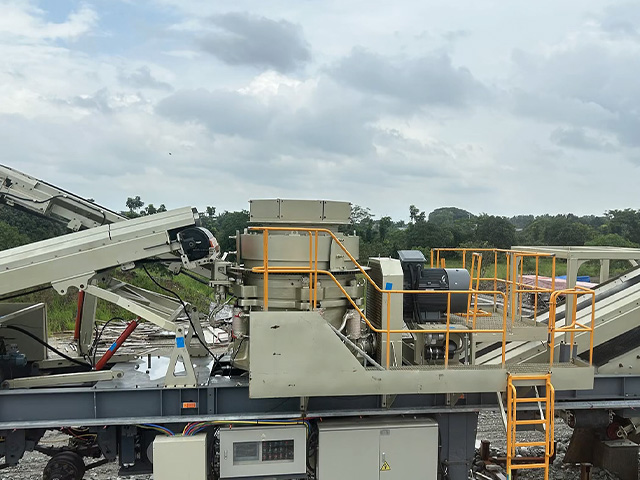
- HP200 cone crusher (160 kW) operating at CSS 16 mm in closed circuit with a 3YK1860 screen produced 0-5 mm, 5-20 mm, and 20-40 mm fractions.
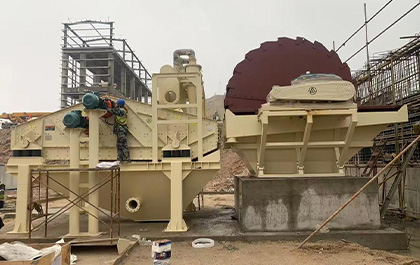
- The 0-5 mm fraction passed to an XL920 spiral sand washer (11 kW, 7,585 mm trough) for aggressive clay scrubbing. The spiral's long trough provided extended residence time for thorough clay removal. Washed sand then passed over a dewatering screen reducing moisture to under 12%.
- The critical innovation: wash water from the spiral washer and dewatering screen flowed into a three-stage settling pond system. A BX300 fine sand recovery unit captured 0.075-0.3 mm particles from the first pond overflow — recovering sand that would otherwise be lost. Clarified water from the third pond was pumped back to the wash circuit.
Water balance: The system consumed 15 m³/hour of fresh makeup water (within the permit limit) and recycled 42 m³/hour internally — achieving 74% recovery in regular operation, peaking at 85% during the flow season when river water supplemented the ponds.
Power was supplied by a 600 kVA containerized diesel generator with a 5,000-liter day tank.
Results
- 300 t/h sustained through the four-month processing window — 180,000 tons processed per season
- Water consumption 15 m³/hour — exactly at the permit limit, vs 55 m³/hour for a conventional open-circuit wash plant
- 85% water recovery during the June–September flow season when river water could top up the ponds
- Clay content in finished sand reduced from 16% to 2.1% — within Ethiopian CES 18 limit of 3%
- Fine sand recovery unit captured 18% additional saleable product from pond overflow — approximately 5,400 tons per season of additional revenue
- Diesel consumption 78 L/h for the complete circuit — 8% below the 85 L/h projection
- Client expanded to a second river concession in year 3, ordering a larger 500 t/h circuit based on the same closed-loop design
Equipment Used
- PE-600×900 Jaw Crusher (75 kW)
- HP200 Multi-cylinder Hydraulic Cone Crusher (160 kW)
- 3YK1860 Triple-deck Vibrating Screen
- XL920 Spiral Sand Washer (11 kW, 7,585 mm trough)
- Dewatering Screen
- BX300 Fine Sand Recovery System
- ZSW490×110 Vibrating Grizzly Feeder (22 kW)
- 600 kVA Containerized Diesel Generator
- Three-stage Settling Pond System with Return Pumps
Gallery Images
60 TPH Spiral Sand Washer + Fine-Sand Recovery — Construction Sand, Colombia
350 TPH Track-mounted Impact Crusher — Limestone Quarry, Brazil
Related Article