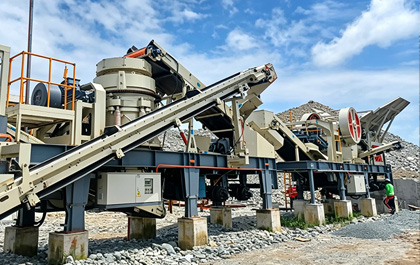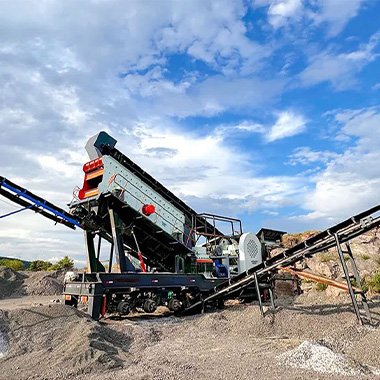
60 TPH Spiral Sand Washer + Fine-Sand Recovery — Construction Sand, Colombia
Challenge Of
A family-owned aggregate plant near Medellin, Colombia, had been washing sand the same way for 18 years: a simple water spray bar over a vibrating screen, with wash water and fines flowing directly into a nearby stream. Two problems converged in 2023:
- Environmental regulation: Colombia's environmental authority (Corporacion Autonoma Regional) issued a deadline — all aggregate washing operations must implement water treatment and fines capture by December 2024 or face shutdown.
- Economics: The spray-bar washing method was losing approximately 20% of the -0.3 mm fraction to the waste stream. Lab analysis of the plant's discharge showed 18-22% of the solids were saleable fine sand in the 0.075-0.3 mm range. At 60 t/h feed rate, the plant was literally washing 12 tons of saleable product into the stream every hour.
The plant owner's constraint was space — the existing crushing circuit consumed 85% of the permitted plot area. Any washing upgrade had to fit within a 15×25 m footprint adjacent to the existing screen house. Capital budget was tight at $48,000, reflecting the thin margins of a small independent producer competing against larger quarry groups.
Solution
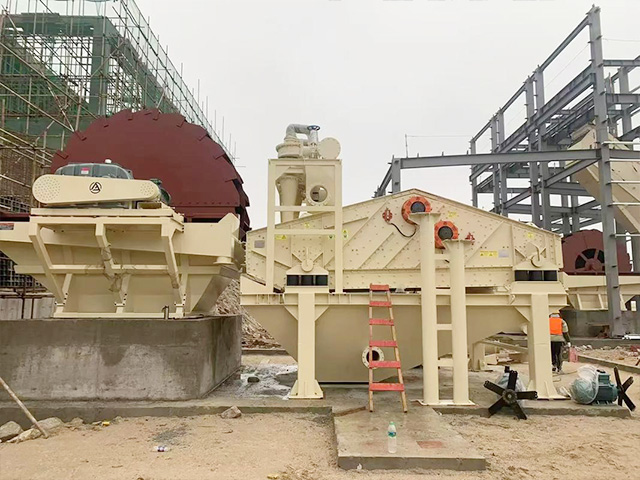
XLM designed a compact add-on washing module that bolted onto the existing circuit without requiring new foundations:
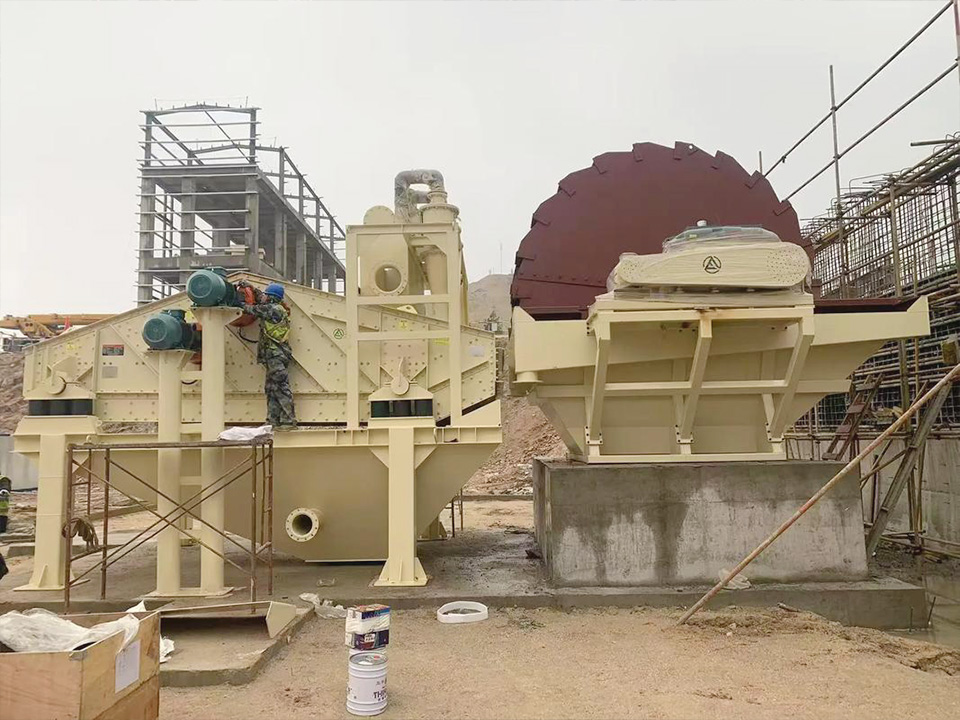
- XL765 spiral sand washer (11 kW, 765 mm screw diameter, 7,620 mm trough): The existing screen's 0-5 mm underflow was diverted via a short chute into the spiral washer. The rotating screw provided mechanical scrubbing far more effective than the previous spray bar — clay balls that had survived the screen spray were broken up by the spiral's tumbling action.
- BX250 fine sand recovery system: The washer's overflow — containing the 0.075-0.3 mm fraction — was pumped to a hydrocyclone classifier. The hydrocyclone's centrifugal action separated fine sand from silt and clay. The recovered fine sand dropped onto a small dewatering screen (700×1,800 mm, polyurethane panels, 0.3 mm aperture), while silt and clay overflow went to a settling tank.
- Compact settling tank: A 4,000-liter settling tank with baffles captured silt before clarified water was recirculated to the spiral washer. Sludge was periodically removed and solar-dried for use as low-grade fill.
- Reclaimed fine sand was blended back into the main washed sand stream via a small conveyor, boosting total saleable output.
The entire module — washer + hydrocyclone + dewatering screen + settling tank + pump — fit within 12×6 m. Connection to the existing circuit required only a chute modification and electrical tie-in. Installation took 5 days with the plant operating at 50% capacity during the tie-in.
Results
- Saleable sand yield increased from 80% to 95% — recovering 18% of previously lost fine sand, equivalent to 10.8 additional saleable tons per hour
- Annual revenue increase of approximately $52,000 — at the local washed sand price of COP 38,000/ton (~$9.50), the recovered 10.8 t/h × 2,000 operating hours = 21,600 additional tons/year
- Water consumption reduced by 40% — from 32 m³/hour (single-pass spray bar) to 19 m³/hour (recirculating system)
- Discharge into stream eliminated — zero untreated process water discharge, meeting the environmental compliance deadline with 3 months to spare
- Clay content in finished sand reduced from 5.8% to 1.9% — now within Colombian NTC 174 specification for concrete sand (max 3%)
- Equipment payback period of 9 months — based on recovered sand revenue alone
- Two neighboring aggregate plants visited the installation and ordered similar retrofits — creating an unexpected referral revenue stream for XLM's local distributor
Equipment Used
- XL765 Spiral Sand Washer (11 kW, 765 mm screw, 7,620 mm trough)
- BX250 Fine Sand Recovery System
- 250 mm hydrocyclone classifier
- 700×1,800 mm polyurethane dewatering screen (0.3 mm aperture)
- 7.5 kW slurry pump
- 4,000-Liter Baffled Settling Tank
- Recirculation Pump (2.2 kW)
- Fine Sand Return Conveyor (3 kW)
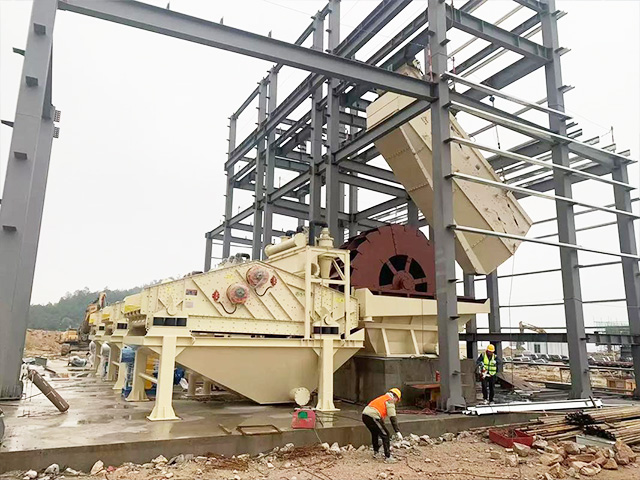
300 TPH Jaw + Cone + Washing Circuit — River Gravel, Ethiopia
Related Article