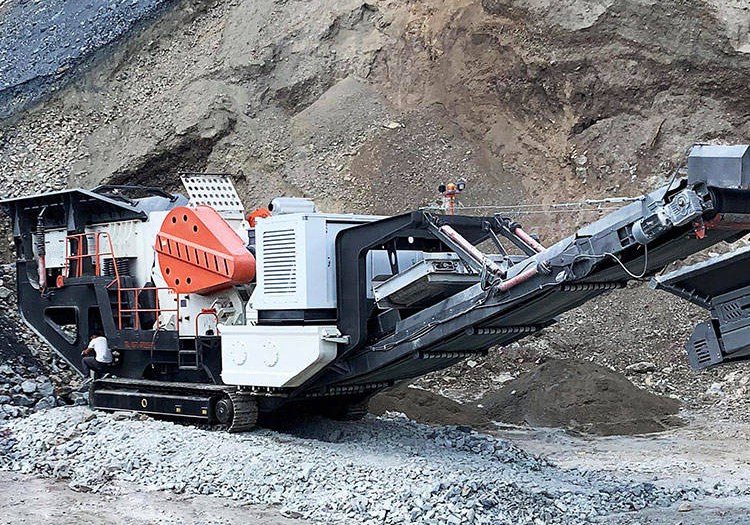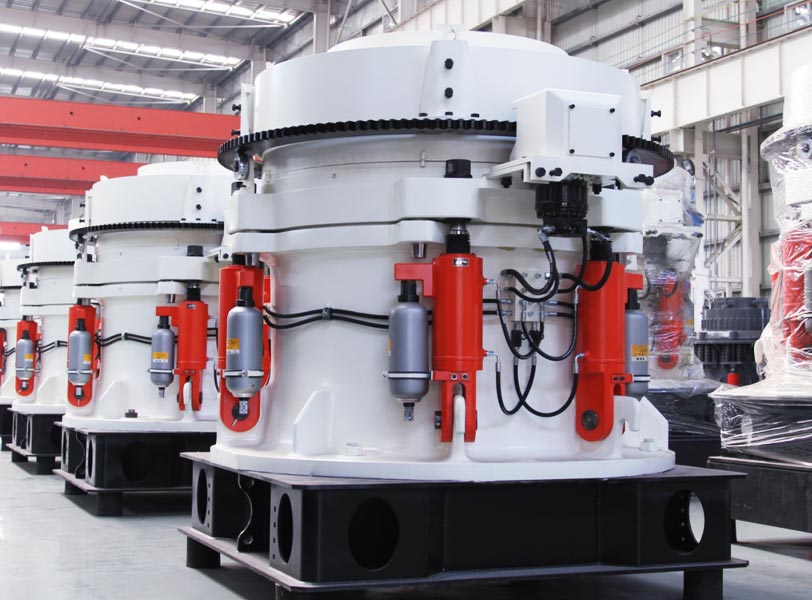
Jaw Crusher vs. Impact Crusher: How to Choose for Your Quarry?
1. Difficulties in selecting secondary crushing sections for quarries
In modern mining and quarry projects, the selection of equipment for the secondary crushing stage directly determines the return on investment of the entire production line and the market competitiveness of the finished aggregate. However, many quarry owners are often confused about the selection of "jaw crusher" and "impact crusher" after primary crushing.
On the one hand, the pressure resistance challenges of high-hardness materials and the high cost of replacing wear parts are daunting; on the other hand, downstream markets (such as high-grade highway and rail transit concrete) impose almost stringent standards on the particle shape and gradation continuity of finished aggregates. If the crushing ratio is pursued blindly while ignoring the content of needle-like and flaky particles, the product will face the risk of downgrading and price reduction; if there is an excessive focus on material shape optimization, it may lead to insufficient equipment adaptability to hard rock and frequent maintenance downtime. This multi-dimensional game between output, cost, and finished product quality is the core pain point in the selection of secondary crushers.
2. Comparison of core working principles of crushers: compression type VS impact type
In the selection of equipment for the secondary crushing section of a quarry, the core difference between jaw crushers and impact crushers (often referred to by buyers as impact crushers) is essentially a duel between two energy release methods: "compression crushing" and "high-speed impact crushing".
Jaw crushers employ the classic squeezing force crushing principle. During operation, an electric motor drives an eccentric shaft to cause the moving jaw plate to reciprocate periodically. As the moving jaw approaches the fixed jaw, the material within the crushing chamber is crushed under the powerful squeezing, splitting, and breaking action of the double jaw plates. The physical advantage of this design lies in its extremely high compressive strength; relying on high torque and a robust mechanical structure, it can easily break down high-hardness, highly abrasive rocks.
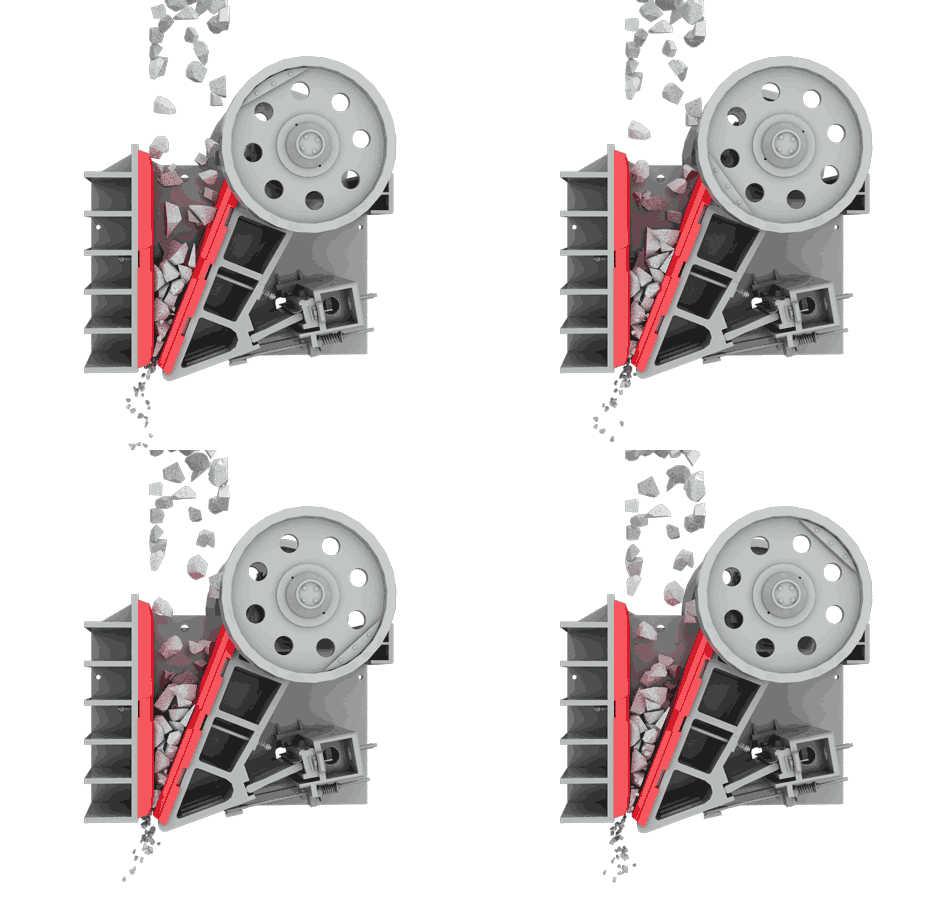

Impact crushers operate on a completely different striking force crushing principle. Upon entering the crushing chamber, the material first encounters a violent head-on impact from the high-speed rotating rotor hammers. Gaining extremely high kinetic energy, the material repeatedly bounces within the impact chamber, colliding at high speed with the impact plates and other materials. This combined "stone-on-iron" and "stone-on-stone" action causes the material to tend to fracture brittlely along its natural crystal joint planes.
XLM Machinery has deeply optimized the aforementioned physical mechanisms when developing and manufacturing these two series of equipment. Our PE series heavy-duty jaw crusher maximizes energy utilization during the extrusion stroke through an improved nip angle design; while the PF series impact crusher is matched with a heavy-duty high-inertia rotor to ensure stable output of impact kinetic energy. Understanding the inherent mechanical differences between these two is the cornerstone of constructing a scientific and economical crushing process.
3. How does an impact crusher ensure perfect aggregate gradation?
In modern construction and infrastructure projects, the quality requirements for aggregates in high-grade concrete and high-grade pavements are no longer limited to output, but also depend on the particle shape and gradation continuity of the finished aggregates. Excessive content of needle-like and flaky particles or gaps in gradation will directly lead to poor workability of concrete, a surge in cement consumption, and even a decline in the strength of the engineering structure. The core of the impact crusher lies in its precise control over the gradation of materials, making it the inevitable choice for secondary crushing and shaping stages.
Mechanistically, the high-speed impact crusher utilizes a high-speed impact crushing method, causing materials to naturally fracture along their stress concentration points (such as microcracks and crystal joint surfaces) within the impact chamber. This "selective crushing" mechanism naturally avoids the defects of traditional compression crushing, which easily produces flat, needle-like particles, resulting in aggregates with a uniform cubic shape and significantly improving the compaction density of the aggregates. For crushing medium- to low-hardness materials, such as limestone and limestone, the impact crusher has a better shaping effect, a more ideal crushing effect, less wear, and produces finished products with good particle shape and fewer sharp edges, making it an ideal choice for producing high-quality building aggregates.
Xianglong Machinery's improvements to the hydrodynamic cavity shape of the impact crusher enable the equipment to maintain strong stability in the output gradation even at high speeds.
4. Common quarry production line configuration schemes
Scientific equipment selection and combination are key to reducing energy consumption per ton of quarry production capacity and overall maintenance costs. In actual operation, the combined configuration of "jaw crusher + impact crusher" is widely recognized as the golden combination for crushing materials of medium and lower hardness. Based on data feedback from hundreds of mining projects worldwide, XLM Machinery has refined the following efficient and standardized modular configuration solutions for two typical application scenarios.
Option A: Medium-to-high hardness multi-stage crushing production line (taking granite and sandstone as examples, with a target output of 150-200 tons per hour)
When dealing with materials that have high compressive strength and strong abrasiveness, controlling the wear cost of primary and secondary crushing is the top priority.
Primary coarse crushing stage: Equipped with an XLM PE-750×1060 jaw crusher. This model features a deep crushing chamber and a large feed opening, focusing on solving the primary volume reduction problem for large raw ore. Its high-strength, large bearing design distributes most of the compressive load, reducing the feed pressure on subsequent equipment.
Secondary medium and fine crushing and shaping stage: After primary crushing, the material enters the XLM PFW-1314 European version heavy-duty impact crusher (or a stepped configuration of cone crusher and impact crusher for shaping). Here, the impact crushing principle of the impact crusher is used to shape the aggregate, forcibly eliminating needle-like and flaky particles, and transforming high-hardness materials into cubic aggregates that meet the requirements of high-grade concrete.
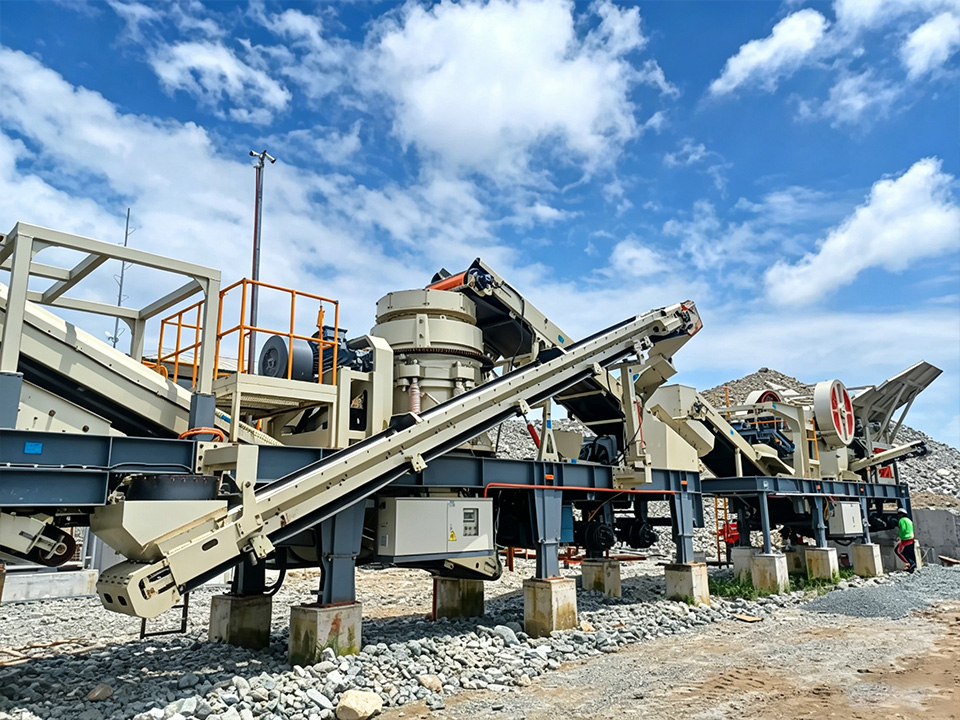
Option B: A high-performance production line for medium-hardness materials (taking limestone and bluestone as examples, with a target output of 200-300 tons per hour).
For materials with low abrasiveness and high brittleness, the production line configuration focuses more on high throughput and high return on investment.
Primary coarse crushing stage: Employs an XLM PE-900×1200 jaw crusher. As the "vanguard" of the entire production line, its large-diameter throughput capacity ensures that the raw ore can be fed directly without excessive blasting, achieving stable and high output under high load.
Secondary fine crushing stage: Utilizes an XLM PF-1315 impact crusher in conjunction with the main unit. In this setup, the PF-1315 fully leverages its large crushing ratio and excellent gradation control advantages. A single impact achieves a large proportion of fine crushing and shaping, eliminating the need for cumbersome multi-stage circulating screening and maximizing the yield of finished aggregate.
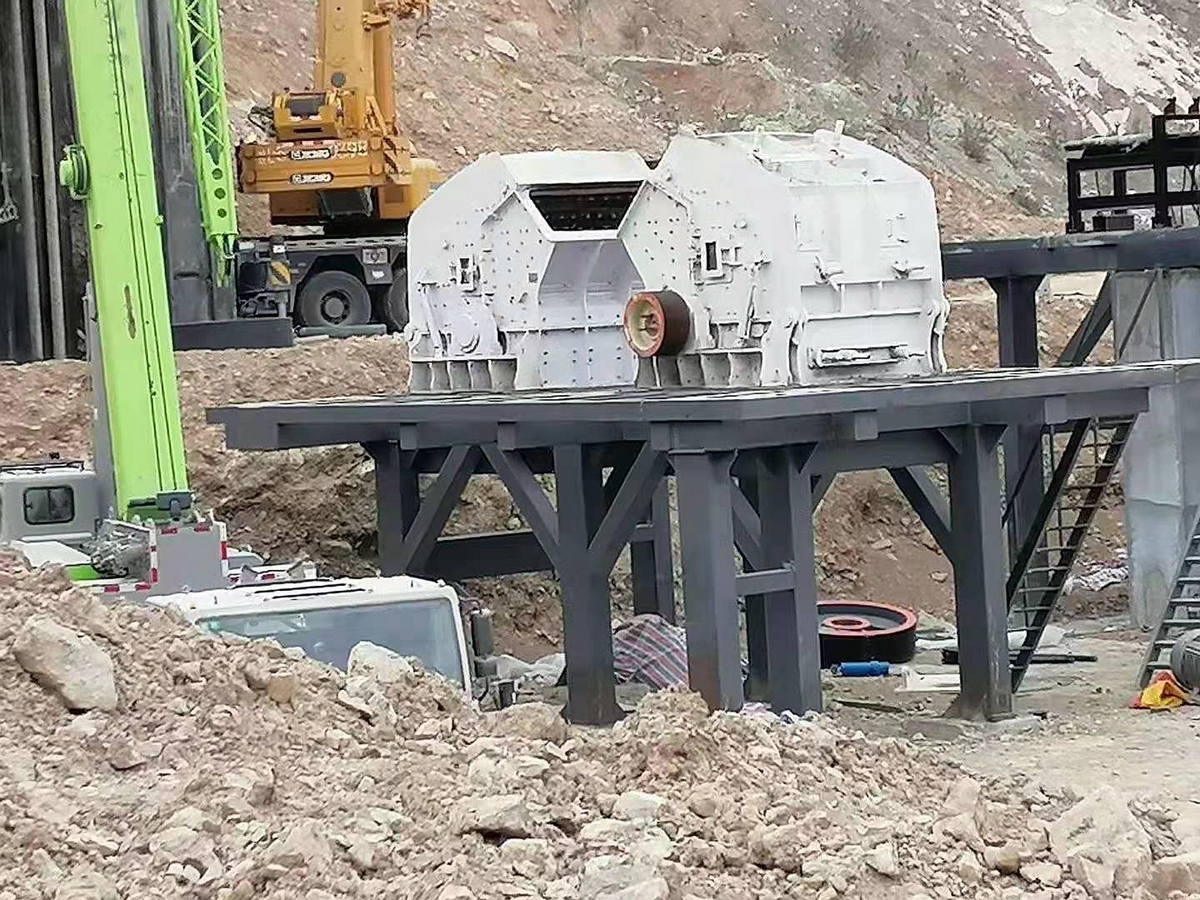
Jaw crushers are responsible for "grinding hard stones," resolving particle size boundaries; impact crushers are responsible for "fine shaping," establishing gradation quality.
The combined solution provided by Xianglong Machinery is not a simple mechanical assembly, but rather achieves dynamic balance of material flow rate across the entire production line by adjusting the speed ratio, cavity connection, and belt conveyor drop between the two stages of equipment. This integrated system design effectively avoids the bottleneck problem of "material blockage at the front end and material shortage at the back end" common in traditional production lines, helping quarry owners recover their equipment investment in the shortest possible time.
5. Recommended flagship products from XLM Machinery, crafted with meticulous craftsmanship
In the field of heavy mining machinery manufacturing, the structural rigidity and detailed craftsmanship of core equipment directly determine the total life-cycle operating cost of mining enterprises. XLM Machinery, based on two core mechanical mechanisms and relying on stringent material engineering standards, has meticulously crafted two major series of flagship products, aiming to provide quarry owners worldwide with highly reliable and high-output crushing tools.
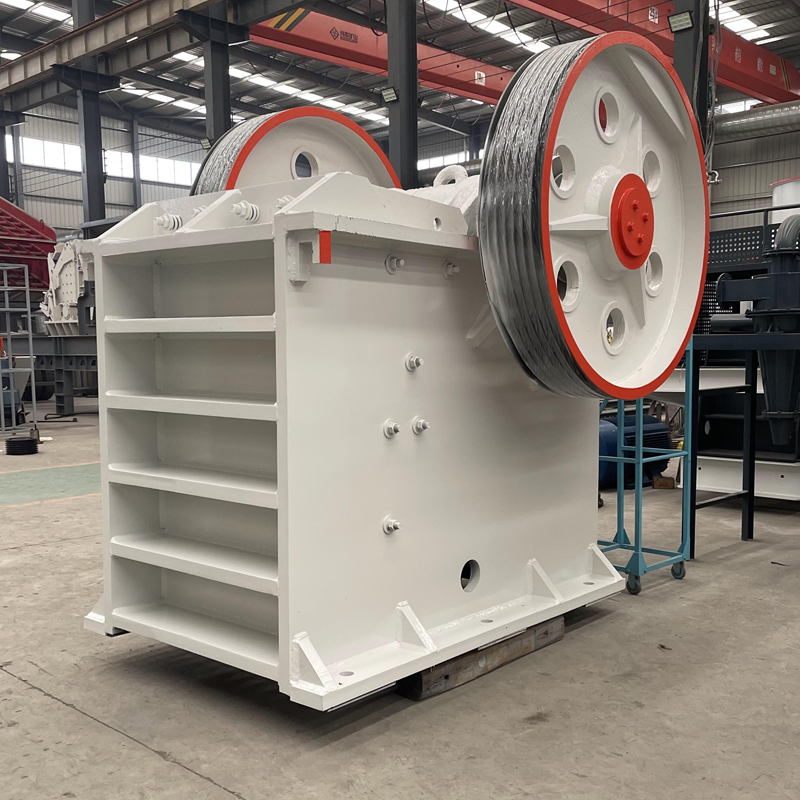
1) XLM PE Series Heavy-Duty Jaw Crusher: A Rigid Foundation for Harsh Working Conditions
As the absolute mainstay of primary coarse crushing, the XLM PE series jaw crusher is specifically designed to handle materials with high compressive strength and high abrasiveness.
Exceptional Rigidity Structure: Abandoning traditional thin welded components, this series adopts an extra-large forged eccentric shaft, equipped with high-load spherical rolling bearings from leading international brands, fundamentally eliminating the risk of bearing runout and fatigue fracture under heavy load impact.
Dynamic Mechanical Optimization: The "deep crushing chamber" and "large eccentricity" design, optimized through numerical simulation, create a more aggressive nip angle. This modification eliminates dead zones within the chamber, increasing material throughput by over 15%.
Long-Life Wear-Resistant Parts: The moving and fixed jaw liners are made of high-manganese steel with a unique micro-alloying microstructure modification, allowing them to rapidly form a high-hardness work-hardened layer under the intense compression of hard rock, significantly extending the replacement cycle.

2). XLM PF/PFW Series High-Yield Impact Crusher: Expert in Shaping High-Quality Aggregates
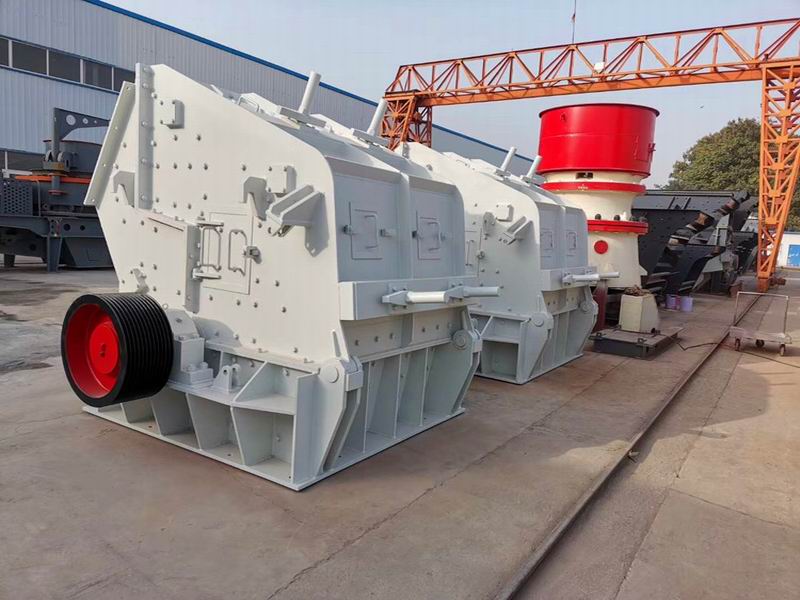
For secondary crushing and manufactured sand and gravel production lines with stringent requirements for finished particle shape, the XLM PF/PFW series impact crusher has become an industry benchmark due to its superior control capabilities.
High-Inertia Heavy-Duty Rotor: The rotor is the heart of the impact crusher. Xianglong Machinery adopts a fully welded heavy-duty rotor structure, giving the equipment extremely high rotational inertia and impact resistance. Combined with a hammer layout locked by finite element analysis, it ensures that every impact converts all kinetic energy into the crystal joint shear force of the material.
Unique Hammer Fastening System: Employing a hydraulic or mechanical composite locking structure, the contact surfaces between the hammers and the rotor are precision milled to eliminate clearances. This enhances operational safety while maximizing the effective wear thickness of the hammers.
We recommend not just two machines, but also the technological confidence derived from dozens of standardized models. There are no absolute good or bad options; for hard rock and large materials, jaw crushers are the first choice, while impact crushers are preferred for medium-hard materials and those with high gradation requirements. XLM crushers all offer stable operating rates and excellent gradation indicators, helping you maintain a significant cost advantage in a highly competitive market.
6. Best-selling worldwide: Xianglong Machinery's international export qualifications and quality commitment
Procuring large mining machinery is not only a competition of equipment performance, but also a comprehensive assessment by global buyers of supply chain compliance, quality consistency, and technological capabilities. XLM Machinery understands the pain points of global sourcing for businesses and has long regarded international standard certification and stringent global quality commitments as the underlying logic of its operations, ensuring that every crushing machine leaving the factory can be connected to a high-standard industrial production line in a foreign country.
Xianglong Machinery has established a comprehensive international access system for compliance and qualifications:
- ISO 9001:2015 International Quality Management System: Our digital factory implements Total Quality Management (TQM) at every stage, from raw material spectral testing and eccentric shaft flaw detection to no-load trial operation of the entire machine, ensuring data traceability throughout the production process.
- EU CE Certification: Targeting high-standard markets such as Europe and the Middle East, Xianglong Machinery's entire line of crushers fully complies with stringent EU safety and environmental directives in areas such as electrical control, hydraulic system safety depressurization, mechanical protective net design, and noise suppression.
- Eurasian Economic Union EAC Certification: Meets the industry technical regulations of Russia and CIS countries, ensuring smooth customs clearance and legal operation of equipment in the cold and harsh mining areas of Central Asia.
Compliance qualifications are merely the threshold; true quality commitment is implemented in every detail of the service lifecycle. For overseas projects, Xianglong Machinery offers a "Worry-Free Operation Commitment Throughout the Entire Lifecycle."
- Rigorous Pre-shipment Testing: Every piece of equipment undergoes continuous closed-loop no-load testing before shipment. Precision sensors monitor bearing temperature rise and vibration spectrum in real time to eliminate any potential early failures.
- Standardized Packaging: For long-distance sea transport and transshipment through various climate zones, heavy-duty anti-rust coatings, moisture-proof packaging, and rigid steel bases ensure the equipment remains intact even after enduring the turbulence of ocean voyages.
- Agile After-sales Response: Leveraging digital spare parts warehousing and a global logistics network, we are committed to providing overseas customers with rapid supply chain support for core wear-resistant components.
XLM Machinery's global success stems from its respect for regulations and its unwavering commitment to quality. Choosing XLM Machinery means not only choosing a highly efficient crushing tool, but also choosing a trusted long-term partner.
If you are planning a new quarry project or looking to upgrade your existing crushing production line, please contact XLM Machinery. Our team of experienced engineers will create a customized production line process flow diagram for you free of charge, based on your material hardness, production requirements, and budget! Click the button below or send an email to receive the latest product brochures and quotes!
To Avoid Inefficient Investment: How to Perfectly Configure a High-Yield Manufactured Sand Making Production Line from Scratch?
A Must-Read for Aggregate Business Owners : How To Choose Impact crusher or Cone Crusher?