Top 6 Factors to Consider Before Buying a Stone Crusher
Purchasing a stone crusher is a high-stakes capital decision that directly determines production efficiency, operational stability, product quality, and total return on investment for quarries, mines, construction aggregate plants, infrastructure projects, and recycling facilities. A mismatched crusher will lead to excessive wear, frequent downtime, substandard output, inflated energy consumption, and avoidable maintenance costs—risks that no project can afford.
XLM Machinery (Xianglong Machinery) has accumulated rich field experience serving global customers across hard rock, soft rock, ore beneficiation, construction waste recycling, and high-speed rail / highway aggregate supply. Based on real working conditions and engineering practices, we summarize the Top 6 Factors that buyers must evaluate systematically before purchasing a stone crusher.
Factor 1: Raw Material Properties (Hardness, Abrasiveness, Moisture, and Feed Size)
Raw material is the foundation of crusher selection. Any purchase decision that ignores material characteristics will result in inefficient operation or premature equipment failure. XLM Machinery designs crushers strictly around material adaptability; we never recommend one-size-fits-all models.
1.1 Hardness (Mohs Scale and Unconfined Compressive Strength)
Hardness defines crushing principle and equipment structure. Materials are divided into soft (limestone, gypsum, coal gangue, construction waste), medium-hard (bluestone, dolomite, calcite), hard (granite, basalt, diabase, river pebble), and ultra-hard (quartz, iron ore, silicon ore).
XLM jaw crushers adopt forged steel eccentric shafts, optimized toggle plates, and high-rigidity jaw assemblies to withstand high-impact coarse crushing of hard rock above 200 MPa UCS. For medium-hard and soft materials, XLM impact crushers deliver high reduction ratio and cubic grain shape with lower energy consumption. For hard, abrasive rock in secondary and tertiary crushing, XLM cone crushers use lamination crushing to minimize wear and improve grain shape.

1.2 Abrasiveness (Silica Content)
Abrasiveness directly determines wear-part consumption and service life. High-silica materials (granite, basalt, river pebble) accelerate abrasion of jaw plates, blow bars, concave, and mantle.
XLM uses Mn18Cr2, Mn22Cr2 high-manganese steel with water toughening treatment and optional high-chromium composite alloy for wear parts, extending service life by 30%–80% compared with conventional materials. Our cone crushers feature rock-on-rock crushing chamber to reduce direct metal-to-rock contact, further lowering wear costs.
1.3 Moisture Content and Mud Content
Excessive moisture causes blockage, reduces capacity, and deteriorates grain shape. XLM crushers are equipped with anti-blocking structures, optimized discharge channels, and self-cleaning cavities to handle materials with moisture up to 15% without clogging. For high-mud raw materials, we recommend pre-screening configuration to protect the crusher and improve overall efficiency.
1.4 Maximum Feed Size
Feed size must match the feed port dimension to avoid overloading or jamming. XLM provides clear engineering guidelines: maximum feed size ≤ 85% of feed port width. Our large-feed jaw crushers and box hammer crushers accept oversized materials up to 1600 mm, reducing pre-blasting costs and simplifying feeding procedures.
In summary, Factor 1 is non-negotiable. XLM Machinery provides free material testing and professional analysis to confirm the optimal crusher type before quotation.
Factor 2: Target Output Specifications (Capacity, Grain Size, Grain Shape, and Gradation)
Crushing equipment exists to meet output requirements. Capacity, discharge size, grain shape, and gradation constitute the core performance targets.
2.1 Hourly / Annual Capacity
Capacity is the core indicator of production capacity. Buyers must confirm actual required capacity rather than theoretical nominal capacity, which is affected by material properties, feeding uniformity, and process layout.
XLM crushers cover a full capacity range: 20–50 t/h small-scale, 50–300 t/h medium-scale, 300–1000+ t/h large-scale. We use optimized motion track, deep crushing chamber, and high-torque drive system to ensure stable output under continuous working conditions. For capacity expansion, XLM provides modular upgrades without replacing the mainframe.
2.2 Discharge Size and Crushing Stage
Crushing is divided into primary (coarse), secondary (medium), and tertiary (fine / shaping):
- Primary crushing: discharge 100–300 mm → XLM jaw crusher
- Secondary crushing: discharge 20–100 mm → XLM cone / impact crusher
- Tertiary crushing / sand making: discharge 0–10 mm → XLM vertical shaft impact crusher
XLM crushers support stepless or rapid hydraulic adjustment of discharge opening. Jaw crushers use wedge adjustment instead of traditional gasket adjustment, reducing adjustment time from hours to minutes. Cone crushers use hydraulic setting adjustment to maintain stable discharge size during operation.
2.3 Grain Shape and Gradation
Cubic grain shape improves aggregate strength and market competitiveness. XLM impact crushers produce >85% cubic particles for high-grade construction aggregate. XLM cone crushers use lamination crushing to reduce needle-flake content to below 5%, meeting standards for high-speed rail, highway, and high-performance concrete. We can customize cavity types and rotors to meet specific gradation requirements for different applications.
Factor 2 determines whether your equipment can produce salable products. XLM provides process flow design and output simulation to ensure your targets are fully met.
Factor 3: Crusher Type and Structural Adaptability (Jaw, Cone, Impact, Hammer, Mobile)
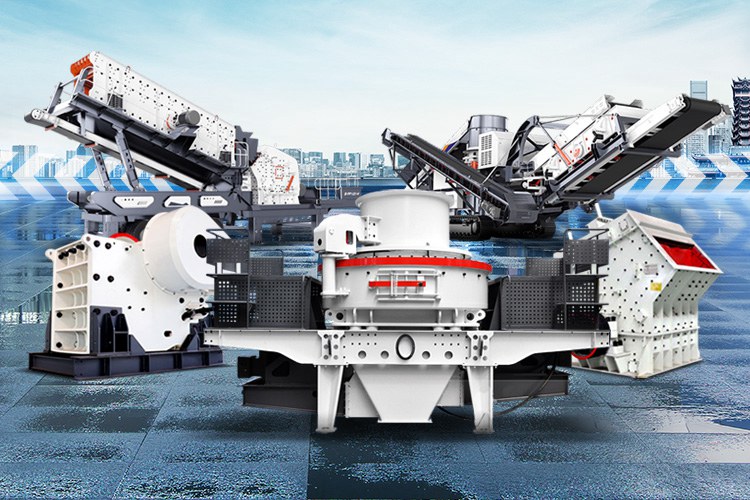
Different crusher types correspond to different working conditions. Selecting the right type avoids over-investment or insufficient performance. XLM provides a full series of crushing equipment to cover all scenarios.
3.1 Jaw Crusher (Primary Crushing)
Core Advantages: strong adaptability, large feed size, stable performance, simple maintenance.
XLM Upgrades: heavy-duty cast steel frame, forged eccentric shaft, large-load self-aligning roller bearing, hydraulic toggle plate, low-noise and low-vibration design. Suitable for hard rock coarse crushing, open pit mines, and fixed / mobile plants.
3.2 Cone Crusher (Secondary / Tertiary Hard Rock)
Core Advantages: high efficiency, low wear, stable discharge, good grain shape.
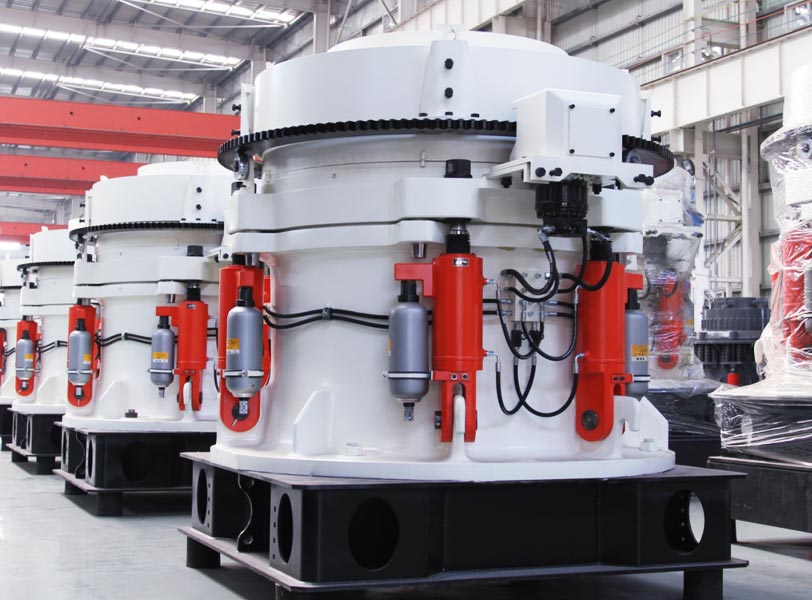
XLM Upgrades: single-cylinder / multi-cylinder hydraulic system, overload protection, automatic cleaning, thin-oil lubrication, constant crushing force. Ideal for basalt, granite, river pebble, and metal ore.
3.3 Impact Crusher (Medium-soft Rock, High Grain Shape Demand)
Core Advantages: high reduction ratio, cubic grain, low investment.
XLM Upgrades: high-strength rotor, wear-resistant blow bars, hydraulic open-door maintenance, adjustable impact plate. Suitable for limestone, bluestone, construction waste, and high-quality aggregate.
3.4 Box Hammer Crusher (Large Feed, Single-Stage Forming)
Core Advantages: one-time crushing from large stone to finished product, saving process and investment.
XLM Upgrades: super-large feed port, high-hardness hammer head, heavy-duty rotor, anti-blocking design. Suitable for small and medium-sized quarries with limited space.
3.5 Mobile Crushing Station (Flexible, Site-Specific Operation)
Core Advantages: integrated vehicle, self-propelled, rapid deployment, no foundation construction.
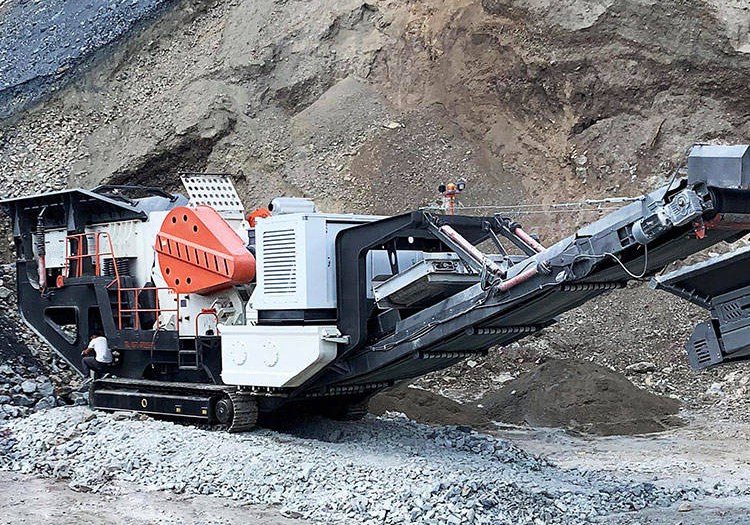
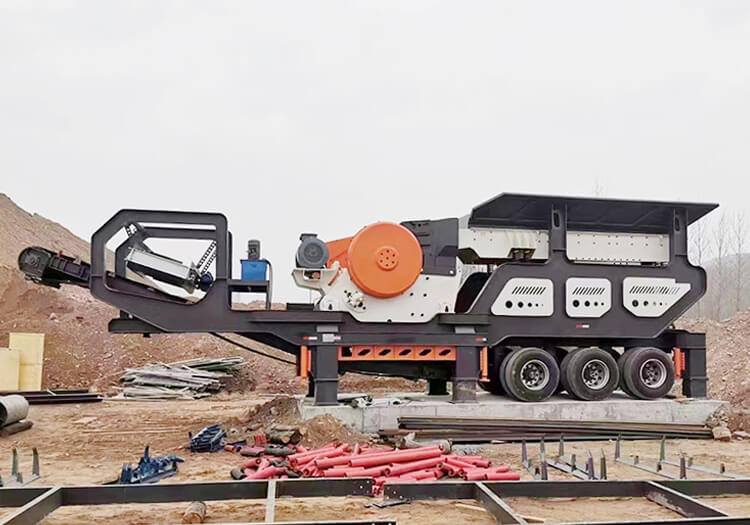
XLM Upgrades: tracked / wheeled chassis, integrated power system, intelligent control, compact layout. Suitable for urban construction waste recycling, road construction, remote mining, and short-term projects.
Factor 3 is about structural matching. XLM never pushes high-margin models; we recommend the most adaptable type based on your material, output, site, and budget.
Factor 4: Total Cost of Ownership (CAPEX + OPEX)
Smart buyers focus on total cost of ownership (TCO), not just upfront price. TCO includes capital expenditure (CAPEX) and operational expenditure (OPEX).
4.1 Capital Expenditure (CAPEX)
Includes equipment cost, transportation, installation, commissioning, foundation, and auxiliary equipment. XLM provides integrated solutions to optimize layout and reduce auxiliary investment. Our equipment has high structural rigidity and long service life, reducing renewal frequency.
4.2 Operational Expenditure (OPEX)
- Energy consumption: XLM optimizes dynamic matching and cavity design to reduce power consumption by 15%–20% compared with traditional models.
- Wear parts: High-performance materials extend replacement cycle, reducing cost per ton by 30%–60%.
- Maintenance: Simple structure, modular parts, hydraulic assistance reduce downtime and labor cost.
- Downtime loss: High reliability and stability ensure continuous operation, the biggest hidden cost saver.
Industry data shows that upfront price accounts for only 35%–40% of 10-year TCO. XLM crushers reduce OPEX significantly, delivering higher ROI within 12–18 months.
Factor 5: Site Conditions and Process Compatibility
Site constraints determine equipment layout, installation, and operation.
5.1 Space Dimension
Limited space requires compact layout. XLM provides compact stationary and mobile solutions to maximize space utilization.
5.2 Foundation and Installation
XLM mobile crushers need no foundation; stationary crushers have optimized foundation design to reduce construction cost and time.
5.3 Feeding and Discharging Conditions
We customize feeding hopper, conveyor height, and discharge direction according to your site. Our crushers adapt to uneven feeding and continuous operation.
5.4 Process Matching
Crushers must match screens, conveyors, and storage bins. XLM provides full-process system integration to ensure smooth coordination between equipment.
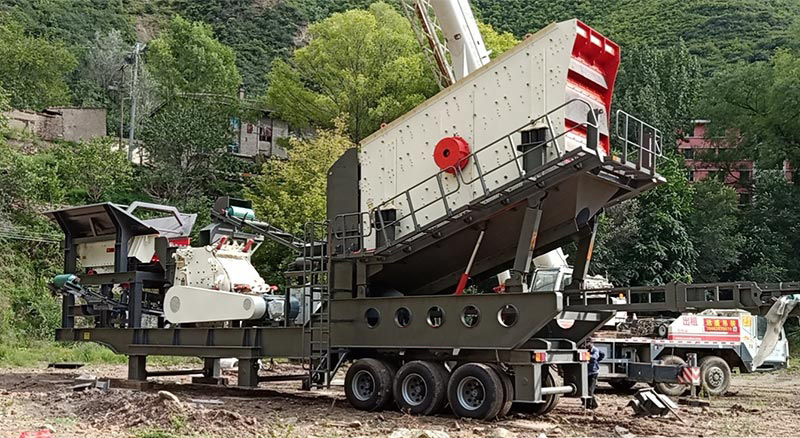
Factor 5 avoids on-site modification and rework. XLM engineers conduct site survey and customized design before production.
Factor 6: Manufacturer Strength, After-Sales Service, and Technical Support
Equipment quality and service depend on manufacturer strength. A reliable manufacturer ensures long-term benefits.
6.1 R&D and Production Capacity
XLM has professional R&D team, advanced processing equipment, strict quality control, and independent intellectual property rights. We continuously upgrade products based on field feedback.
6.2 Customization Capability
Standard models cannot meet all working conditions. XLM provides customized cavity, capacity, discharge size, and control system to match your unique needs.
6.3 After-Sales Service
- Global service network, rapid response
- On-site installation, commissioning, and training
- 12-month warranty and lifetime maintenance
- Spare parts supply and long-term technical support
6.4 Project Cases
XLM has successful cases in mining, quarry, infrastructure, recycling worldwide. We provide customer references and site visits for verification.
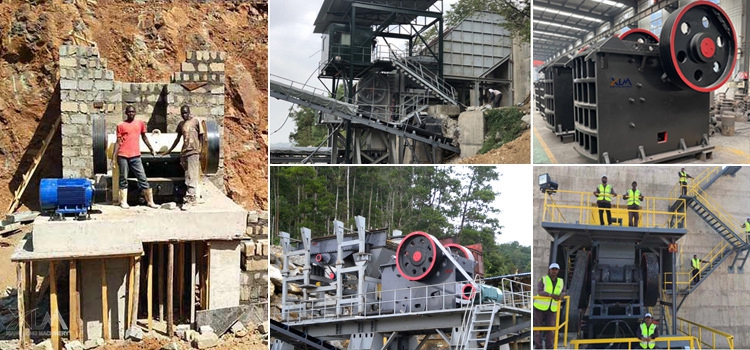
Factor 6 is the guarantee of post-purchase benefits. Choosing XLM Machinery means choosing a long-term partner, not just a supplier.
Conclusion: Systematic Evaluation Leads to Correct Investment
Purchasing a stone crusher is a systematic project. The top 6 factors are interrelated and must be evaluated comprehensively:
- Raw material properties
- Target output specifications
- Crusher type and structural adaptability
- Total cost of ownership
- Site conditions and process compatibility
- Manufacturer strength and after-sales service
XLM Machinery adheres to the principle of customer-centric, quality-based, and solution-oriented. We do not pursue short-term sales; we create long-term value for customers. Whether you need a single crusher or a full crushing plant, we provide professional, pragmatic, and reliable solutions based on your real working conditions.
We firmly believe: the right crusher is not the most expensive, but the most suitable for your needs. With XLM Machinery, you make a secure, efficient, and profitable investment in stone crushing equipment.
About XLM Machinery (Xianglong Machinery)
XLM Machinery is a leading Chinese manufacturer of stone crushing, screening, and sand making equipment. We integrate independent R&D, precision production, global sales, and full lifecycle after-sales service, providing customized complete crushing line solutions for global customers covering mining, quarrying, construction aggregate, highway & high-speed rail infrastructure, and construction solid waste recycling industries.
All XLM series crushing machines feature high structural reliability, low energy consumption, easy daily maintenance, and ultra-long service life of wear-resistant parts, and have gained consistent recognition and trust from cooperative customers in more than 60 countries and regions worldwide. We are always committed to helping global crushing plant operators improve production efficiency, cut comprehensive operating costs, and realize sustainable green development of mineral processing projects.
Stone Crusher Machine Price Guide 2026 XLM Machinery
How to Choose the Right Cone Crusher for Hard Rock Crushing