Stone Crusher Machine Price Guide 2026 XLM Machinery
In 2026, the global demand for stone crushing equipment remains driven by large‑scale infrastructure construction, mineral resource exploitation, manufactured sand industrial expansion, and urban solid‑waste recycling projects across Africa, Southeast Asia, Central Asia, South‑America and Eastern Europe. For quarry owners, construction contractors and mining investors, selecting a suitable stone crusher is far more than comparing headline prices on supplier websites. Unreasonable equipment selection, underestimated hidden costs and low‑quality machinery with high failure rates will severely erode your project profit margin within 1‑2 years of operation.
XLM Machinery (Xianglong Machinery), a professional stone‑crusher manufacturer with over 15‑year production experience in Henan, China, delivers transparent, practical, first‑hand pricing information based on our real‑world production cost, finished‑product data and thousands of overseas project cases. This document is not a fixed price list; instead, it explains every cost‑driving variable, compares different crusher categories, distinguishes value‑added services from optional charges, and helps international buyers make cost‑effective, long‑term oriented purchasing decisions in 2026.
All price data quoted in this guide are reference FOB prices in United States Dollars, based on standard‑configuration XLM machinery, excluding ocean freight, insurance, import tax, on‑site installation foundation cost and local commission fees. Final quotations will be adjusted according to technical specifications, customization requirements, order quantity and raw‑material market fluctuation in 2026.

1. Global Stone Crusher Market Outlook 2026
The international crushing‑equipment market has witnessed several major shifts that directly affect crusher pricing trends in 2026.
First, global steel, cast‑iron and wear‑resistant alloy plate prices have maintained moderate volatility. As the main raw material for crusher frames, rotors, crushing hammers and jaw plates, steel cost accounts for 45%‑60% of total manufacturing expense of stationary stone crushers. Fluctuation of steel market will cause baseline crusher prices to shift ±10% within one quarter, which is the primary reason why identical crusher models may have different quotations from the same factory in different months of 2026.
Second, demand for mobile, portable crushing solutions continues to rise. Many contractors prefer wheel‑mounted or track‑mounted crushing stations that can be relocated between multiple construction sites. Compared with stationary crushers, mobile crushing plants carry an approximate 20%‑30% price premium, but save massive civil‑construction, dismantling and re‑installation expenses for multi‑location projects.
Third, environmental‑protection requirements are tightening worldwide. Governments in most emerging markets now enforce stricter dust‑control, noise‑reduction regulations for quarry and sand‑making operations. Standard crushing‑plant projects now require optional dust‑suppression enclosures, water‑spray systems and sealed conveyor covers, which generate extra investment costs that were rarely included in crusher budgets five years ago.
Fourth, buyers are gradually shifting their purchasing logic from “lowest upfront price” to “lowest total‑cost‑of‑ownership”. Investors are paying more attention to energy consumption, wear‑part service life, after‑sales response speed and equipment uptime rate, rather than only comparing initial purchase prices. As a mid‑high‑end Chinese crusher manufacturer, XLM Machinery has adjusted our product development and pricing strategy to fit this new market trend in 2026. We optimize heavy‑duty structural components and adopt high‑manganese wear‑resistant parts to cut clients’ long‑term operating cost, instead of launching ultra‑low‑price, lightweight crushers with short service life.
2. Core Factors That Determine Stone Crusher Machine Prices
Before reviewing specific crusher price ranges, buyers must fully understand the key variables that lead to huge price gaps between seemingly‑similar crusher machines. At XLM Machinery, every quotation is calculated based on the following decisive factors.
2.1 Crusher Type & Crushing Stage
Different crushers are engineered for different crushing stages, raw‑material hardness and finished‑aggregate requirements, resulting in large inherent price differences.
- Primary coarse‑crushing equipment (Jaw Crusher, Large Box Hammer Crusher): Usually relatively cost‑effective, built for breaking large‑size raw rock.
- Secondary & fine‑crushing equipment (Impact Crusher, Cone Crusher): Higher manufacturing precision, stricter tolerance control and higher‑cost wear parts, leading to higher prices.
- Sand‑making & shaping machines: Specialized tertiary crushing equipment for producing high‑quality manufactured sand, with unique rotor and crushing‑chamber design.
- Mobile crushing stations: Integrated feeder, crusher, screen and conveying system on a mobile chassis, with significantly higher comprehensive cost.
2.2 Hourly Production Capacity (TPH)
Production capacity is one of the strongest price‑determining factors. Within the same crusher product series, price does not rise linearly with output. When hourly throughput increases from 50 tons per hour to 250 tons per hour, machine weight, steel consumption, motor power, rotor load‑bearing components and frame thickness all need major upgrades, and total manufacturing cost can increase by 4‑6 times. Over‑buying excess capacity wastes capital investment, while under‑sized crushers become the bottleneck of your whole crushing production line. XLM’s technical team always matches model selection strictly according to clients’ real‑world required output.
2.3 Raw‑Material Hardness & Working Condition
Processing hard rock (granite, basalt, iron ore, quartzite) requires upgraded heavy‑duty rotor, thickened frame, high‑manganese steel hammers and liner plates. If you process soft stone such as limestone, bluestone, construction waste, standard‑grade wear‑resistant components can satisfy production needs. Upgrading wear‑resistant configuration for high‑hardness ore will raise equipment price by roughly 12%‑22% but greatly extend service life and reduce monthly replacement costs of vulnerable parts.
Site environment also affects final price. Projects located in high‑altitude, high‑humidity, tropical, or dust‑heavy zones may need customized electrical cabinets, anti‑corrosion painting and special cooling systems. XLM Machinery marks these as optional customized items in formal quotation sheets, with clear separate pricing.
2.4 Automation & Intelligent Configuration
Basic manual‑adjustment crushers have the lowest baseline cost. Adding hydraulic discharge‑gap adjustment, PLC intelligent control cabinet, real‑time vibration monitoring, remote fault‑diagnosis system and automatic lubrication devices will push up machine cost. Automated configuration reduces manual‑operation labor cost and unexpected shutdown risk, and is highly recommended for large‑scale, long‑run quarry plants.
2.5 Brand, Manufacturing Process & Quality‑Control Standard
This is the main source of huge price gaps between crushers with identical‑looking parameters. Low‑cost workshops use thin‑welded frames, recycled steel material, low‑grade cast wear‑parts and minimal finished‑machine testing, and offer rock‑bottom quotations. Reputable manufacturers such as XLM Machinery adopt thick, high‑quality Q235‑B steel plate for main frames, CNC precision‑machined main shafts, strict heat‑treatment for key rotating components, full‑load running inspection before delivery, and CE, ISO quality‑compliant production standards. Our finished crushers carry higher upfront prices, but deliver far fewer breakdowns and longer service cycles.
2.6 Scope of Supply & After‑Sales Package
A quotation’s final price also depends on what is included. Some low‑price offers contain only the main crusher unit, without matching motors, vibrating feeders, vibrating screens, belt conveyors, spare‑part kits or installation guidance. XLM Machinery provides two quotation modes: main‑unit‑only quotation, and full‑turnkey crushing‑line quotation, with every accessory item listed separately for transparent comparison. Warranty terms, overseas engineer installation service, spare‑part supply cycle all belong to the after‑sales package and influence comprehensive project cost.
3. Classification, Performance & Reference Price Range of XLM Machinery Stone Crushers
Below are XLM Machinery’s mainstream product portfolio, typical application scenarios and 2026 FOB reference price ranges (standard electric configuration, no extra customization). All prices are for reference only, formal binding quotations shall be issued after receiving your detailed project requirements.
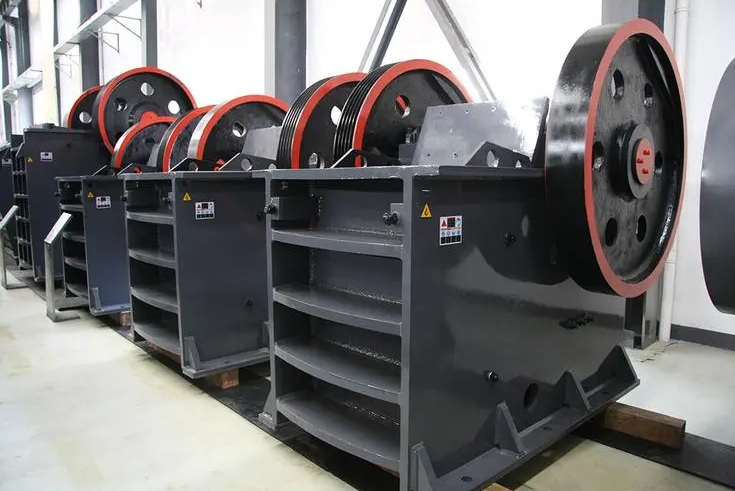
3.1 XLM Jaw Crusher (Primary Coarse Crushing)
Jaw crusher is the classic primary crushing unit, suitable for almost all kinds of hard rock, ore, construction waste recycling. XLM PE‑series jaw crushers adopt integrated heavy‑duty cast frame, large‑diameter eccentric shaft, high‑manganese jaw plates, stable and durable for long‑term heavy workload.
| Typical Model | Capacity (t/h) | Max Feed Size | 2026 Reference FOB Price (USD) |
|---|---|---|---|
| PE 150×250 | 1‑3 | 125 mm | $2,200‑3,800 |
| PE 250×400 | 5‑20 | 210 mm | $4,500‑8,200 |
| PE 400×600 | 15‑60 | 340 mm | $9,800‑13,500 |
| PE 600×900 | 90‑180 | 500 mm | $28,000‑35,000 |
Common applications: Small quarries, aggregate production line primary crushing, mobile jaw crushing station host unit, mineral ore preliminary crushing. Diesel‑engine drive version can be added as an optional upgrade, with price increase of $2,800‑7,500, depending on engine power requirement.
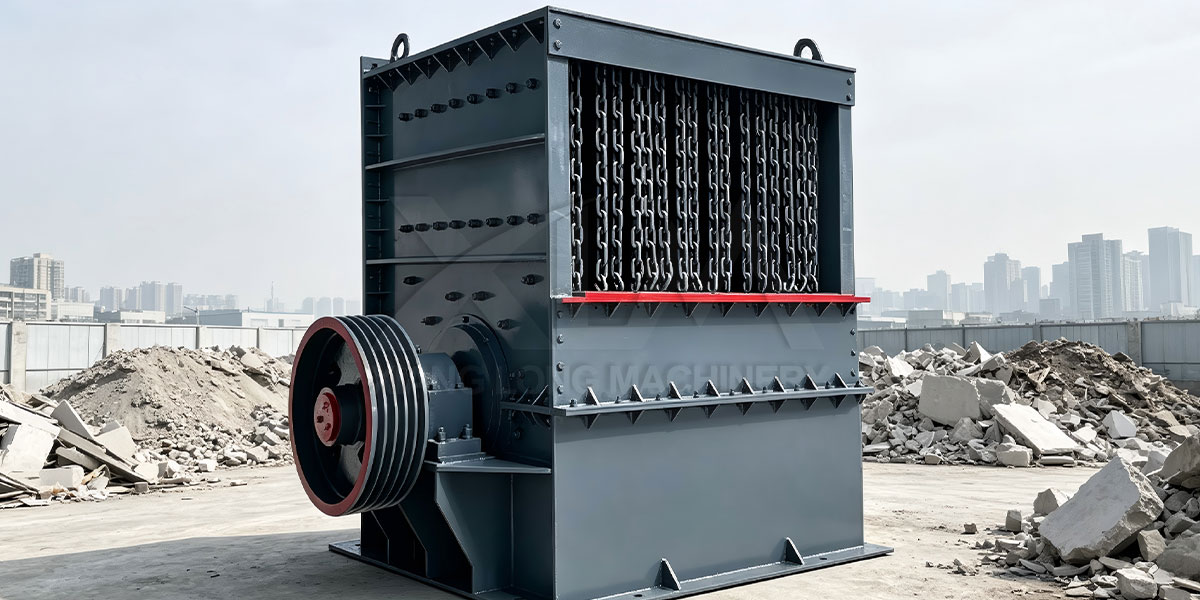
3.2 XLM Box‑Type Hammer Crusher (PC Series)
XLM box hammer crusher is one of our flagship products, widely praised by global clients. It combines primary and secondary crushing in one single machine. Raw large stone enters the big feeding opening, and finished aggregate can be discharged directly, which greatly simplifies the whole crushing‑line layout and cuts total investment cost for medium‑soft stone processing projects (compressive strength ≤300MPa: limestone, river pebble, bluestone, coal gangue).
| Typical Model | Capacity (t/h) | Max Feed Size | 2026 Reference FOB Price (USD) |
|---|---|---|---|
| PC 600×600 | 30‑60 | 400 mm | $5,000‑8,500 |
| PC 800×800 | 40‑80 | 500 mm | $8,800‑11,000 |
| PC 1000×1000 | 70‑130 | 650 mm | $11,000‑13,500 |
Advantage: Large feeding inlet, high crushing ratio, cubic finished aggregate, low‑power consumption, simple maintenance. This machine is extremely cost‑effective for medium‑scale limestone quarry projects across Africa and Southeast‑Asia in 2026.
3.3 XLM Impact Crusher (PF Series, Secondary Fine Crushing)
XLM impact crusher produces excellent cubical‑shape aggregate, ideal for high‑standard highway, concrete batching‑plant aggregate requirements. It crushes medium‑hard rock and can be used as secondary crushing equipment behind jaw crushers.
Reference price range: $16,500‑88,000, corresponding to hourly capacity 20‑220 TPH.
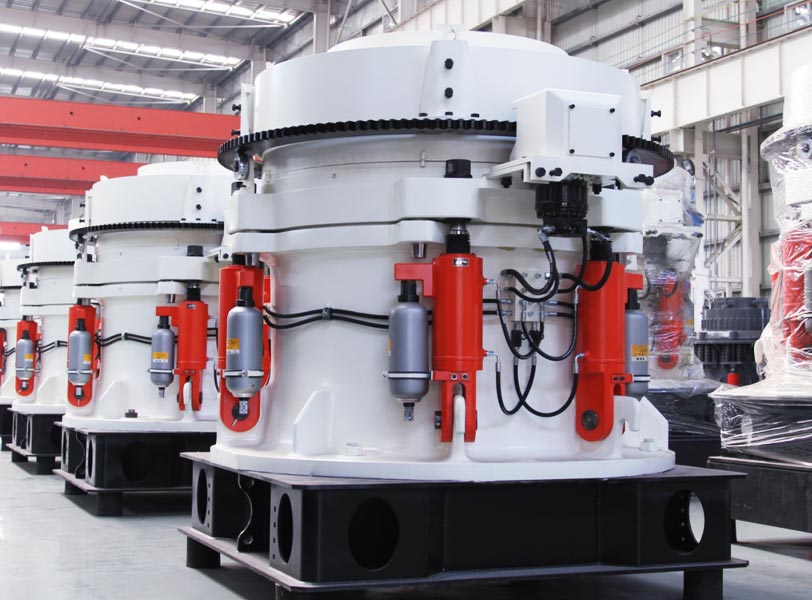
3.4 XLM Spring Cone Crusher (PYB‑Series, Secondary & Tertiary Crushing)
Cone crusher is designed for high‑hardness rock (granite, basalt, iron ore), laminated crushing principle reduces wear‑part consumption dramatically in continuous heavy‑duty large‑scale quarry operations.
| Typical Model | Capacity (t/h) | 2026 Reference FOB Price (USD) |
|---|---|---|
| PYB‑1200 | 18‑105 | $38,000‑46,000 |
| PYB‑1750 | 75‑230 | $62,000‑98,000 |
| PYB‑2200 | 120‑1000 | $135,000‑210,000+ |
Cone crushers are the preferred long‑term‑investment solution for large‑capacity hard‑stone crushing projects, despite higher initial purchase price, their low wear‑part cost delivers strong ROI after 12‑18 months of running.
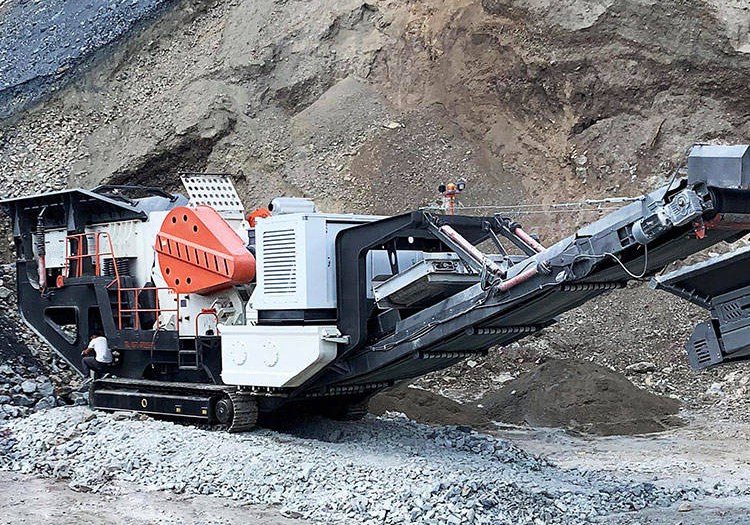
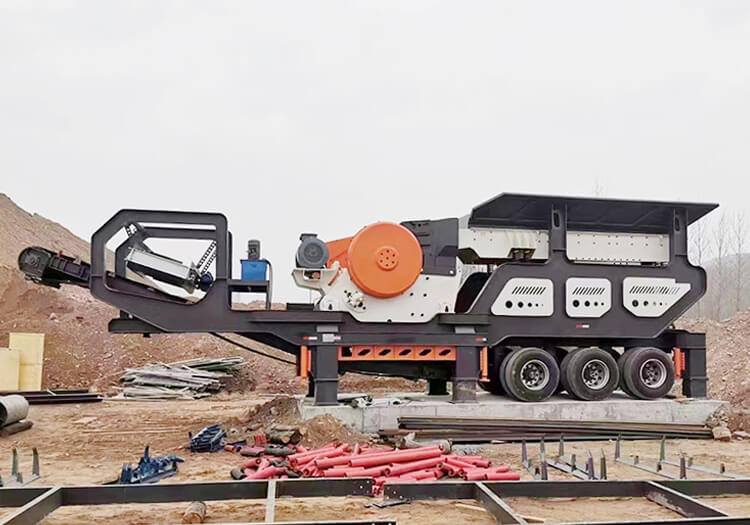
3.5 XLM Mobile / Portable Crushing Plant
XLM provides wheel‑type mobile crushing stations (jaw mobile plant, box‑hammer mobile plant, impact mobile plant). The whole unit integrates crusher, feeder, vibrating screen and belt conveyor, towed by truck, ready to move between different sites.
- Small‑size wheel‑mounted mobile crusher (5‑30 TPH): $14,000‑28,000
- Medium‑capacity mobile crushing station (30‑120 TPH): $38,000‑78,000
Track‑type crawler mobile crushers are available upon custom request, with much higher investment budget.
4. Stationary Crushing Plant VS Mobile Crushing Plant: Cost‑Benefit & Price Comparison
A very frequent question XLM’s international sales team receives in 2026 is: Should I buy a stationary crushing line or mobile crushing plant? The decision should never be made on machine purchase price alone.
Stationary Crushing Line
- Upfront equipment cost: Lower for same hourly‑capacity production.
- Extra one‑time hidden cost: Concrete foundation construction, steel support frame, installation labor expense.
- Operating advantage: Stable high‑volume long‑term production at single quarry site, lower cost‑per‑ton finished stone after foundations are completed.
- Best‑fit projects: Fixed quarry mine with operation life ≥3‑5 years, large‑scale manufactured‑sand factory.
Mobile Crushing Plant
- Upfront equipment cost: 20‑30% higher than equivalent stationary crusher unit.
- Save foundation, dismantling and re‑installation cost. Fast deployment, can start crushing work within several hours after arriving at new jobsite.
- Best‑fit projects: Road‑construction contractors working on multiple temporary sites, short‑life quarries, urban construction‑waste recycling projects.
XLM Machinery’s engineering team provides free process layout design service, we will calculate both stationary and mobile project budget plans for you, so you can compare total‑project cost rather than only crusher headline price.
5. Hidden Costs of Stone Crushing Projects Most Buyers Ignore
Many buyers compare crusher prices and select the cheapest offer, but finally face severe over‑budget issues caused by neglected hidden expenses. We summarize these easily‑overlooked costs for 2026 global investors:
- Logistics & International Shipping Cost: Ocean freight, container fee, insurance, port‑of‑destination handling charge. For medium‑sized crusher sets, international logistics expense usually accounts for 10%‑25% of FOB machine price, varying greatly by destination country and shipping season.
- Import Duty & Local Tax: Every country applies different import tariff rates for heavy machinery. Buyers are advised to confirm local customs policy before placing crusher orders.
- Civil‑Work & Installation Expense: Concrete foundation, power‑supply transformer, high‑voltage cable, water supply for dust suppression. For stationary crushing lines, civil‑construction cost can reach 15%‑30% of equipment investment.
- Wear‑parts consumption & maintenance cost: This is the biggest recurring long‑term cost. Cheap crushers with low‑quality hammers, jaw plates and liners may need spare‑part replacement every 7‑15 working days, while XLM high‑manganese wear‑resistant components usually run 2‑4 months before replacement under normal workload. The gap of spare‑part expense will far exceed the initial price difference of two crushers within one‑year operation.
- Operator‑training & after‑sales service travel cost: If you require our engineers to travel overseas for on‑site installation and staff training, flight, accommodation and service fees will be listed as separate items in quotation.
6. Price Gap Analysis: International Top‑Tier Brands VS Chinese Mid‑High‑End Manufacturers (XLM Machinery As Case Study)
Global crusher market can be divided into three price tiers in 2026:
- Top‑Tier European & North‑American Well‑Known Brands: Their product price is typically 2.5‑4 times higher than equivalent‑capacity Chinese mid‑high‑end crushers. Their strength lies in ultra‑high‑end intelligent monitoring systems and global localized after‑sales service network. However, high equipment cost and expensive spare‑parts slow‑down ROI for medium‑sized quarry investors in emerging‑market countries.
- Mid‑High‑End Chinese Crusher Manufacturers (Represented by XLM Machinery): Balanced price‑performance ratio. We adopt mature, proven mechanical design, high‑quality raw materials and strict factory testing, offer competitive pricing, flexible customization, fast spare‑part production and cost‑effective overseas technical‑support. This tier is the most popular choice for medium‑scale quarry and construction‑aggregate projects in 2026.
- Ultra‑low‑price lightweight crusher products from small workshops: These suppliers offer prices 30%‑50% lower than XLM‑level manufacturers. But they usually cut cost by reducing steel thickness, downgrading wear‑part material and skipping finished‑machine load testing. High breakdown frequency, short service life and unstable finished‑particle size often cause heavy economic losses to buyers.
XLM Machinery positions ourselves firmly within the second tier. We never compete on rock‑bottom price, we compete on reliable equipment quality, transparent quotation and full‑life‑cycle technical support.
7. How to Evaluate Crusher Quotation & Avoid Low‑Quality Traps in 2026
When you receive multiple crusher quotations with very different prices for seemingly identical‑specification machines, use the following checklist from XLM Machinery to conduct deep comparison:
- Check the complete list of delivered items: Confirm whether motor, standard spare‑part kit, vibration feeder and screen are included, or just the crusher main body.
- Compare main‑frame material thickness and wear‑part material grade: High‑manganese steel (Mn13, Mn18) is our standard wear‑part material. Low‑cost suppliers may use ordinary cast‑steel hammers with far shorter service‑life.
- Verify warranty coverage and warranty period: Clarify which components are covered under warranty, what damage cases are excluded from free warranty service. XLM Machinery provides a 12‑month full warranty for the whole machine (excluding quick‑wearing spare parts).
- Confirm supplier’s capacity of providing long‑term spare‑part supply: Some small factories close down after selling equipment, leaving buyers unable to purchase matching spare‑parts. XLM keeps digital archives of every machine we deliver, and we can supply matching spare‑parts for our crushers even 10 years after shipment.
- Check pre‑shipment‑inspection policy: Reputable manufacturers offer video full‑load running‑test before delivery. Always ask your supplier for factory test video of your ordered crusher.
Never make purchase decisions only according to the lowest initial offer. Calculate total‑cost‑of‑ownership for 2‑3 years of operation, and you will find that reasonably‑priced, high‑quality crushers often bring higher economic benefits.
8. Customization Solutions & Their Price Impact (XLM Custom Service Cases)
Each quarry project has unique site conditions, and off‑the‑shelf standard crushers cannot satisfy every requirement. XLM Machinery offers full customization service, and every customized item will generate clear price adjustments, we list common‑seen custom‑upgrade options:
- Local‑standard electrical system upgrade (415V, 480V, 60‑Hz motor, tropical‑grade electric cabinet)
- Diesel‑engine power system instead of electric motor (for sites without stable grid power supply)
- Heavy‑duty reinforced frame and upgraded high‑hardness wear‑parts for granite, basalt crushing
- Dust‑proof, noise‑reduction sealed housing
- Extended‑length conveyor belt, special‑height support frame
- PLC automatic control system and remote monitoring module
- Custom‑made wheeled mobile chassis with heavy‑duty axles
Our technical department will review your site photos, raw‑material test data, power‑supply condition and finished‑stone requirements, then design a personalized crushing‑scheme, marking every customized‑upgrade cost separately on the quotation sheet, no hidden extra charges after order confirmation.
Case: One of our Kenya‑based clients in 2025 needed a 60‑ton‑per‑hour limestone crushing plant, working in remote area without stable electricity grid. XLM customized a wheel‑mounted box‑hammer mobile crusher with large diesel engine, dust‑spray system and tropical‑proof electric cabinet. The final quotation was 24% higher than standard stationary electric box‑hammer crusher, but the customized machine perfectly matched his remote‑site working environment, and the project reached expected production target without extra modification.
 9. Long‑Term ROI Calculation Framework for Stone Crusher Investment
Return‑on‑investment is the core index to judge whether your crusher purchase is economically viable. XLM recommends buyers to apply this simplified ROI evaluation formula:
Monthly Gross Profit = (Tons of finished aggregate produced each month × Selling price per ton) − (Monthly electricity cost + Wear‑parts replacement cost + Labor wage + Fuel cost + Site‑operation expense)
Payback Period = Total crusher‑line investment ÷ Monthly Gross Profit
A high‑quality stone crusher usually achieves payback within 6‑18 months for profitable quarry projects. If you buy an ultra‑low‑cost crusher that frequently breaks down, your monthly output drops sharply, labor‑maintenance cost surges, payback period will be greatly extended, and you may lose your market window. Our XLM sales engineers are ready to assist you with free preliminary ROI estimation according to your local aggregate market price and production‑plan data.
10. XLM Machinery 2026 Transparent Pricing Policy & Purchase Procedure
To build long‑term trust with our global partners, XLM Machinery announces our official pricing and ordering policy for 2026:
- No hidden fees: Every formal quotation clearly lists main equipment, accessories, optional customized‑upgrade cost, service charge, spare‑part price separately.
- Price validity period: Each quotation remains valid for 30 days, because steel raw‑material price fluctuation may cause cost changes after this period.
- Volume‑order discount: Clients who order multiple crusher units or complete large crushing‑plants can get bulk‑purchase discount. Discount percentage will be provided on case‑by‑case basis.
Order workflow:
- Step 1: Client sends project‑related information: Raw‑stone type & hardness, required hourly output, feeding size, finished‑aggregate size, power‑supply condition, site‑location.
- Step 2: XLM technical team designs crushing‑process layout.
- Step 3: Our sales department issues detailed formal quotation.
- Step 4: Both sides confirm drawing, technical specification, sign sales contract.
- Step 5: Production, full‑load factory testing, video inspection, shipment arrangement.
- Step 6: After‑sales follow‑up, spare‑part supply, long‑term technical support.
We provide outgoing‑inspection video, machine test‑run report and CE‑related certification documents together with every delivered crusher.
11. Final Buying Recommendations for Global Buyers
Based on XLM Machinery’s 15‑year experience serving international crushing‑project clients, we offer these practical 2026 purchasing tips:
- Small‑scale new investors with 5‑30 TPH limestone, construction‑waste crushing project: Start with our cost‑effective box hammer crusher or small jaw crusher, avoid over‑investing on oversized equipment at early stage.
- Medium‑long‑term quarry operators (30‑150 TPH): Choose stationary crushing‑line configuration, prioritize jaw+impact or jaw+box‑hammer combination, select high‑quality wear‑resistant spare‑parts from the very beginning to reduce later‑stage operating expense.
- Contractors who frequently move between multiple construction sites: Select wheel‑type mobile crushing plant to save relocation cost.
- Large‑scale hard‑rock (granite, basalt) quarry projects over 150 TPH: Consider cone crusher for secondary crushing. Higher initial investment will bring substantial savings on long‑term wear‑part cost.
- Before signing contract, communicate fully with your equipment supplier about all site‑specific requirements, so all customization can be completed during manufacturing, avoiding expensive on‑site retrofitting after the crusher arrives.
12. Conclusion
Stone‑crusher pricing in 2026 is a complex system affected by raw‑material cost, equipment type, capacity, configuration, customization, brand quality‑control standard and after‑sales service. Comparing only headline prices will mislead your investment decisions.
XLM Machinery (Xianglong Machinery) does not pursue ultra‑low‑price competition. Our core mission is delivering reliable, high‑cost‑performance stone crushing equipment and transparent, trustworthy pricing service to global quarry, mining and construction clients. We hope this 2026 stone‑crusher price guide helps you understand crusher cost structure, avoid purchasing traps and select the most suitable crushing‑solution for your unique project.
For customized crushing‑line design and latest official quotation, welcome to send your detailed project parameters to our international sales team, XLM Machinery is ready to provide you one‑stop stone‑crushing solutions.
XLM Machinery (Xianglong Machinery)
Professional Stone Crusher Manufacturer | Henan, China
Advantages of Mobile Stone Crusher for Construction Projects
Top 6 Factors to Consider Before Buying a Stone Crusher