The Complete Guide to Aggregate Production Line Configuration and Optimization

Introduction: Building Efficient Aggregate Production Systems
In today's competitive construction materials market, efficiency in aggregate production isn't just desirable—it's essential for survival and growth. XiangLong Machinery has been at the forefront of aggregate plant design and optimization for decades, helping customers worldwide achieve remarkable improvements in productivity, quality, and profitability.
This comprehensive guide explores the principles of effective aggregate production line configuration, drawing on XML's extensive experience in designing, installing, and optimizing crushing plants of all sizes and complexities. Whether you're planning a new facility or optimizing an existing operation, these insights will help you make informed decisions that deliver tangible results.
Fundamental Principles of Plant Design
Material Characteristics Analysis
Successful plant design begins with thorough material analysis: physical properties include hardness and abrasiveness, moisture content, particle shape and size distribution, as well as specific gravity and bulk density; processing requirements cover required product specifications, production capacity targets, quality standards, and environmental considerations.
Site-Specific Factors
Every production site presents unique challenges and opportunities, including geological conditions such as rock type, hardness variations and deposit characteristics, topographical constraints like site layout, elevation changes and access limitations, environmental considerations including noise, dust and water management requirements, infrastructure availability such as power, water and transportation access, and regulatory requirements including permits, zoning and operational restrictions.
Crushing Circuit Configuration Strategies
Primary Crushing Selection
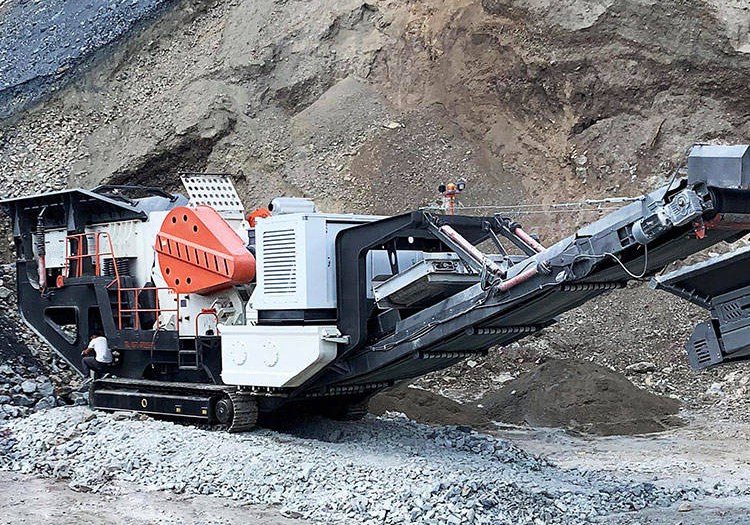
Choosing the right primary crusher is critical to overall plant performance: XML Series Jaw Crushers are ideal for hard, abrasive materials with high reduction ratios, low maintenance requirements and excellent performance in primary reduction; XML-G Series Gyratory Crushers offer superior capacity for large operations, continuous crushing action, lower height requirements and are ideal for high-tonnage applications; XML-I Series Impact Crushers are excellent for softer materials, provide good cubical product shape, require lower capital investment and are suitable for recycling applications.
Secondary and Tertiary Crushing
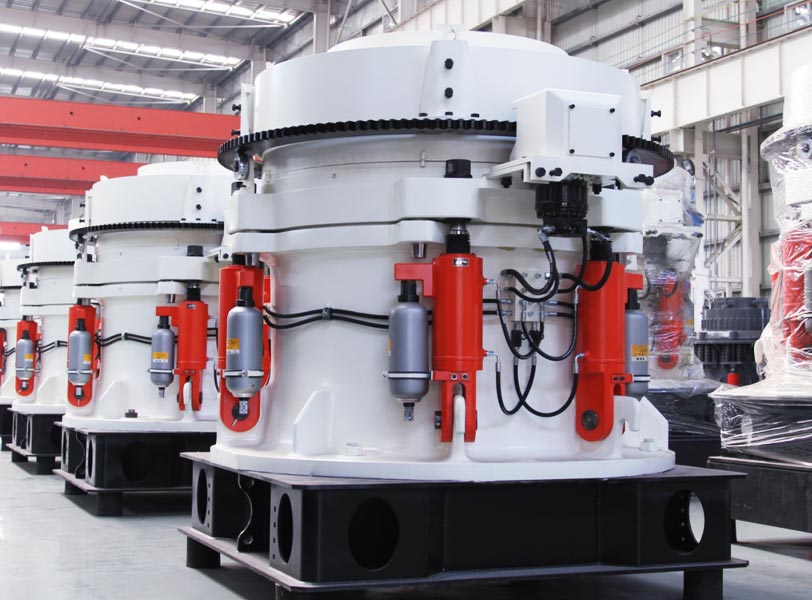
Optimizing subsequent crushing stages is essential for quality and efficiency: XML-C Series Cone Crushers enable precision size reduction, excellent product shape control, efficient operation and low operating costs; XML-VSI Vertical Shaft Impactors deliver superior cubical product shape, have sand production capabilities, offer versatile operation and are good for manufactured sand; XML-HSI Horizontal Shaft Impactors feature high reduction ratios, are good for softer materials, have lower capital cost and provide easy maintenance access.
Screening and Classification Systems
Screening Technology Selection
Modern screening solutions from XiangLong Machinery include XML-VS Series Vibrating Screens with high-capacity screening, multiple deck configurations, efficient material separation and low maintenance design; XML-TS Series Trommel Screens which are excellent for wet or sticky materials, feature gentle screening action, high reliability and minimal blinding issues; and XML-HF Series High-Frequency Screens for fine material separation with high efficiency, compact design and low power consumption.
Classification and Washing Systems
For quality aggregate production, sand classification systems adopt hydrocyclone technology, optimize water management, control product consistency and ensure environmental compliance; material washing equipment includes log washers for clay removal, screw classifiers for fine material, attrition scrubbers for surface cleaning and water recycling systems.
Conveying and Material Handling
Efficient Material Flow Design
Optimizing material movement through the plant involves conveyor system design with proper belt selection and sizing, efficient transfer point design, dust control integration and maintenance access planning; stockpiling strategies focus on live storage capacity optimization, material segregation systems, reclaim efficiency considerations and quality control during storage; feed system optimization includes consistent feed rate control, material distribution optimization, surge capacity planning and emergency shutdown systems.
Control and Automation Systems
Modern Plant Control Solutions
XML's advanced control systems deliver process optimization with real-time performance monitoring, automatic adjustment of operating parameters, energy consumption optimization and production quality control; safety systems include comprehensive emergency shutdown, operator safety monitoring, equipment protection systems and environmental compliance monitoring; data management covers production reporting and analysis, maintenance scheduling, inventory management and quality control documentation.
Remote Monitoring and Control
Advanced features for modern operations include remote operation capabilities, real-time performance dashboards, predictive maintenance alerts, production optimization recommendations and historical data analysis tools.
Environmental Considerations and Compliance
Dust Control Strategies
Comprehensive dust management solutions include source control with enclosure systems, water sprays and foam suppression, collection systems such as baghouse filters, cyclone separators and wet scrubbers, monitoring systems with real-time dust level monitoring and compliance reporting, and maintenance programs including regular inspection and cleaning schedules.
Noise Reduction Measures
Creating good neighbor relationships involves acoustic enclosures and barriers, vibration isolation systems, equipment selection for low noise operation and operational practices to minimize noise impact.
Water Management
Sustainable water use practices include closed-loop water systems, water treatment and recycling, stormwater management and discharge quality monitoring.
Economic Optimization Strategies
Capital Investment Analysis
Making smart investment decisions requires life cycle cost analysis considering total cost of ownership, flexibility assessment for future expansion or changes, risk management to identify and mitigate potential issues, and return on investment calculation of financial benefits over time.
Operational Efficiency Improvements
Continuous optimization approaches include process optimization with regular performance reviews, efficiency benchmarking, best practice implementation and continuous improvement programs; maintenance optimization covering preventive maintenance scheduling, spare parts inventory management, training and skill development and performance monitoring systems; and quality management with product quality standards, testing and verification procedures, customer feedback integration and continuous quality improvement.
Conclusion: Building for Success with XML
Designing and optimizing an aggregate production line requires careful consideration of multiple factors, from material characteristics to environmental compliance. At XiangLong Machinery, we bring decades of experience and innovative thinking to every project, ensuring that our customers achieve their production goals efficiently and profitably.
Our comprehensive approach to plant design considers not just the equipment, but the entire production ecosystem. From initial concept through installation, commissioning, and ongoing optimization, XML provides the expertise and support needed for success.
Contact XiangLong Machinery today to discuss your aggregate production needs. Let our team of experts help you design, build, and optimize a production line that delivers maximum value for your investment.
Ball Mill Technology Advancements: Improving Grinding Efficiency and Product Quality
Comprehensive Guide to Jaw Crusher Maintenance: Maximizing Equipment Lifespan