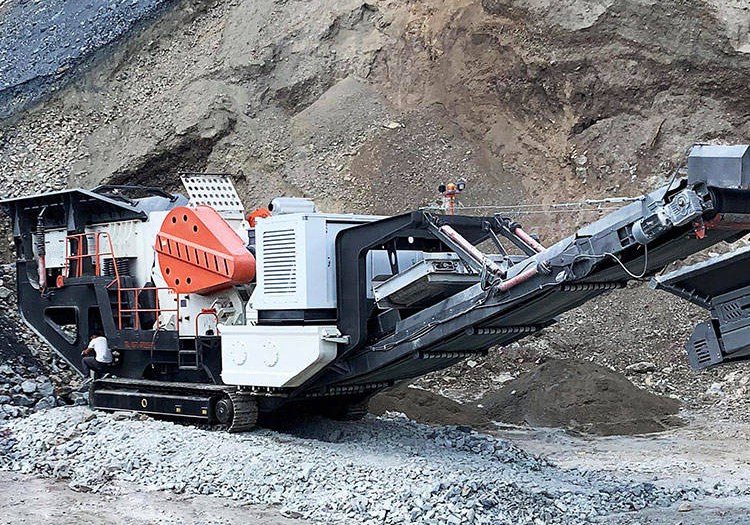
Jaw Crusher vs Cone Crusher vs Impact Crusher: How to Choose for Your Quarry
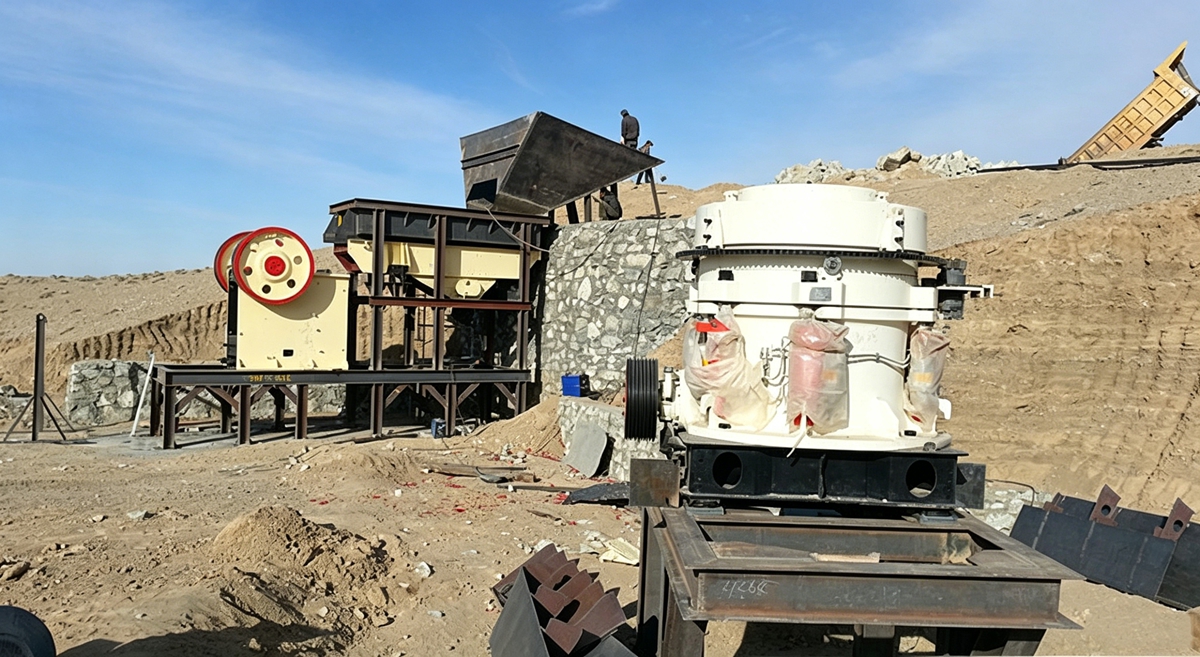
1、The Importance of Selecting the Right Crusher for a Stone Plant
With the rapid development of the sand and gravel aggregate industry, the selection of crushing equipment is becoming increasingly crucial for stone quarries. Jaw crushers, cone crushers, and impact crushers are currently the three most commonly used crushing equipment in sand and gravel production lines, and they differ significantly in terms of function, structure, applicable materials, capacity, particle shape, and cost.
Many stone quarry investors suffer from a series of problems later on due to improper equipment selection in the early stages, including insufficient production capacity, unqualified particle shape, high consumption of wearing parts, high operating costs, and failure to meet environmental protection standards. Therefore, choosing the right crusher directly determines the production efficiency, product quality, and economic benefits of a stone quarry.
2、Comparison of the working principles and characteristics of three types of crushers
Properly combining coarse, medium, and fine crushing equipment is key to improving production line efficiency and reducing the cost per ton of material. The characteristics and applicable scenarios of the three types of equipment are introduced below:
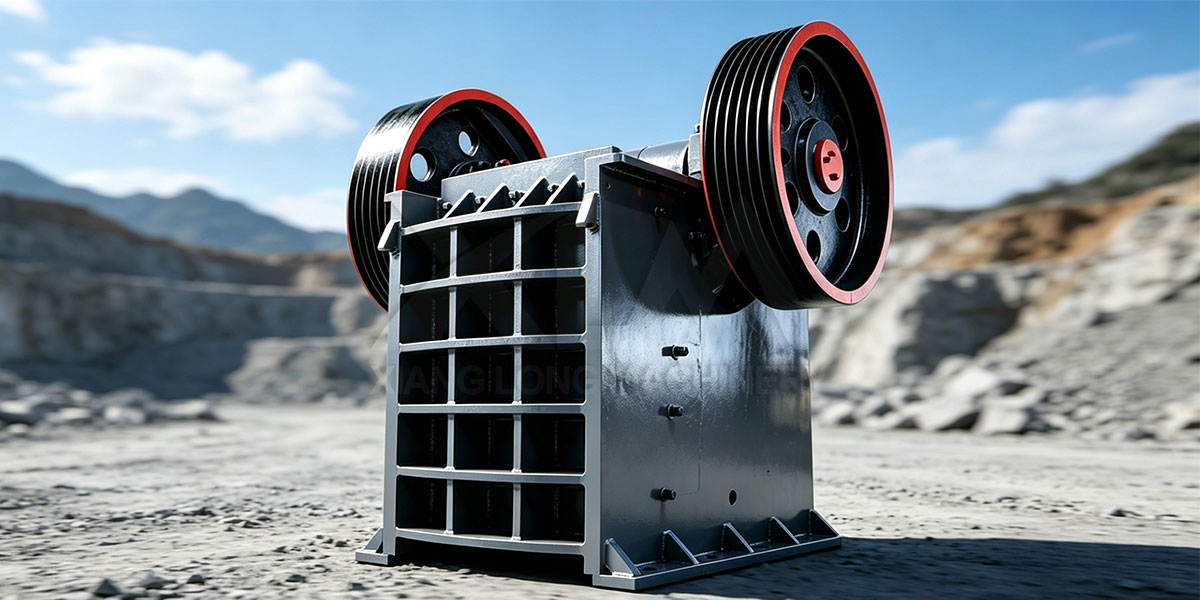
Jaw crusher
Jaw crushers are mainly used in the coarse crushing stage and are the first crushing equipment in a stone production line. They crush materials by squeezing, bending and breaking them through the reciprocating motion of the moving jaw and the fixed jaw, making them suitable for processing large, high-hardness ores.
Jaw crushers, as the primary crushing equipment in the entire production line, are characterized by their large feed opening and high crushing ratio. Xianglong Machinery has optimized the crushing chamber depth and nip angle in its design, enabling it to exhibit extremely strong load-bearing capacity and stable throughput when primary crushing high-hardness, large-sized materials such as granite, basalt, and river pebbles.
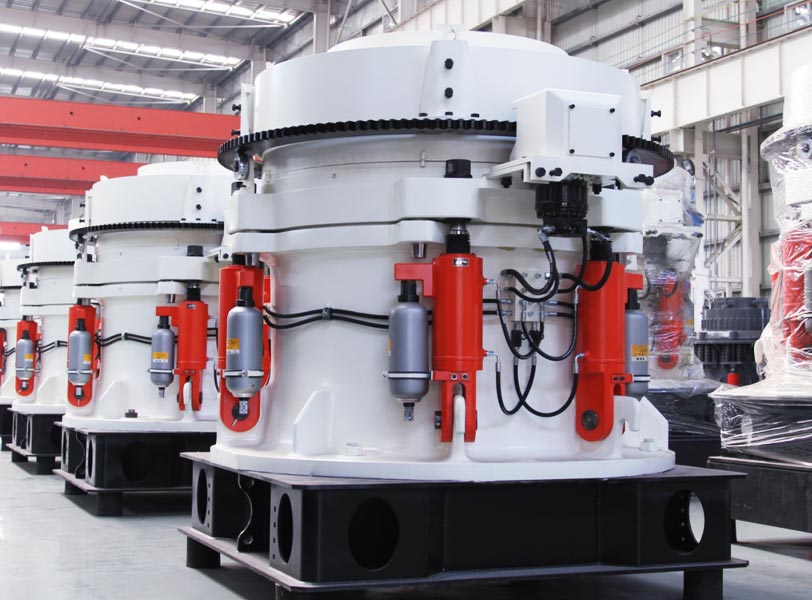
cone crusher
Cone crushers are medium and fine crushing equipment that use the principle of layered crushing. The material is crushed by being squeezed, sheared, and ground in the crushing chamber through the rotation of the moving cone.
It is suitable for medium to high hardness and high silicon content materials. By optimizing the cavity shape and wear-resistant materials, the service life of vulnerable parts is greatly extended, making it suitable for large hard rock production lines that pursue low-cost operation.
Applicable stages: medium crushing, fine crushing (secondary and tertiary crushing), especially suitable for hard rock crushing.

Impact crusher
Impact crushers utilize a high-speed rotating rotor to throw materials out, causing them to collide and grind against impact blocks, thus achieving crushing and shaping. Suitable for medium- to low-hardness brittle materials such as limestone, they are core equipment for producing high-grade sand and gravel for high-end commercial concrete, road and bridge, and high-speed rail projects.
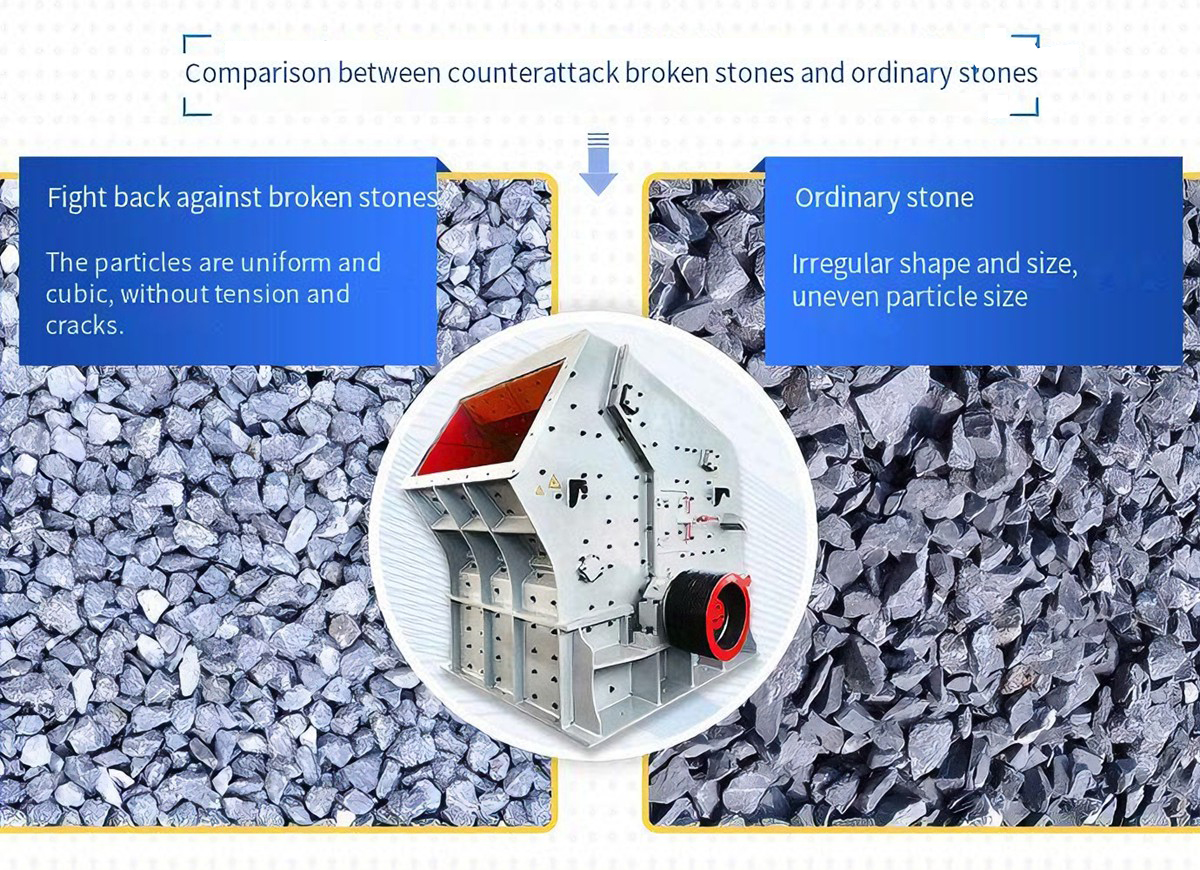
3.Key Decision: How to Choose Between Jaw Crusher, Cone Crusher, and Impact Crusher?
1). Material hardness matched with silicon content
- High-hardness, high-silica materials (granite, basalt, river pebbles):Due to its high abrasiveness, cone crushers should be the preferred choice for secondary crushing. Blindly using impact crushers is strictly prohibited to reduce wear and tear on vulnerable parts and the number of downtimes.
- Medium to low hardness materials (limestone, bluestone):With high brittleness and low wear, the impact crusher is the preferred choice for secondary crushing, offering low input and high crushing efficiency.
2). Finished Product Granule Type and Market Demand
High-speed rail, road and bridge construction, and high-end commercial concrete have stringent requirements for the content of needle-like and flaky aggregates and their gradation. Cone crushers tend to produce needle-like and flaky particles when processing hard rock. If high particle shape is required for the finished product, an impact crusher needs to be installed at the end of the production line for shaping.
3). Comparison table of three major devices in all dimensions
| Comparison Projects | Jaw crusher | cone crusher | Impact crusher |
|---|---|---|---|
| Fragmentation stage | Coarsely broken (head cracked) | Medium-sized pieces, fine-sized pieces | Crushing, sand making, and shaping |
| Crushing principle | Crushing | Lamination fragmentation | Impact and breakage |
| Applicable material hardness | Both soft and hard materials are acceptable | High hardness materials | Medium to low hardness, soft materials |
| Output particle size | Generally, needle-like or flaky shapes are more common. | better | better |
| Cost of consumable parts | Low | lower | lower |
| Equipment price | Low | high | medium |
| Main uses | Large pieces of material coarse crushing | Fine fragments in hard rock | High-standard aggregates, manufactured sand, shaping |
4、How to choose a crusher based on the needs of a stone quarry?
1). Select based on material hardness
High-hardness materials (granite, basalt, river pebbles): Recommended for useJaw crusher + cone crusherCombination, wear-resistant, and low-cost.
Medium to low hardness materials (limestone, bluestone, dolomite): Recommended for useJaw crusher + impact crusherThe combination results in good particle shape, high production capacity, and high cost-effectiveness.
2). Select based on capacity demand
Small-scale stone quarry (50-100 tons per hour): Simple configuration, jaw crusher + impact crusher/impact crusher is sufficient.
Medium-sized stone quarries (100-300 tons per hour): Jaw crusher + cone crusher + impact crusher, stable and efficient.
Large-scale stone quarries (over 300 tons per hour): multi-stage crushing and screening, fully automated configuration, with cone crushers as the preferred choice.
3).Select according to the requirements of finished aggregates
If used in road construction, bridges, high-speed railways, or commercial concrete mixing plants, good particle shape is required: [Specific particle type/configuration] is necessary.Impact crusherplastic surgery。
If used for ordinary building stone, a combination of jaw crusher and cone crusher can be used.
4).Choose based on budget and operating costs
Limited budget: Jaw crusher + impact crusher preferred.
For long-term operation and low cost: prioritize jaw crushers + cone crushers.
To achieve high-quality aggregates and high selling prices, an impact crusher must be added.
5、Common standard production line configuration schemes for stone quarries
Option 1: High-yield hard rock type (granite, basalt, river pebbles)
Configuration: Vibrating feeder + jaw crusher + cone crusher + impact crusher + vibrating screen + conveyor
Advantages: Suitable for high-hardness ores, low consumption of vulnerable parts, high output, stable operation, and long service life.
Option 2: High cost-performance ratio (limestone, bluestone)
Configuration: Vibrating feeder + jaw crusher + impact crusher + vibrating screen + conveyor
Advantages: Low investment, excellent particle shape, high capacity, suitable for producing high-quality crushed stone and manufactured sand.
Option 3: Simple small-scale stone quarry
Configuration: Jaw crusher + Impact crusher + Vibrating screen
Advantages: Small footprint, low investment, simple installation, suitable for early-stage startups.
6、Crusher Selection Summary
1). Jaw crushers are essential primary crushing equipment in all stone quarries, responsible for processing large pieces of raw ore.
2). Cone crushers are the best choice for fine crushing of hard rock, and have the lowest long-term operating costs.
3).Impact crushers are irreplaceable shaping and sand-making equipment for producing high-standard aggregates and manufactured sand.
4). There is no absolutely best crusher, only the configuration solution that is most suitable for your own stone quarry.
5). When selecting a model, the following factors should be considered: material hardness, production capacity requirements, finished product standards, site conditions, budget, and environmental protection requirements.
Xianglong Machinery's crushing and screening equipment has been sold to dozens of countries and regions in Southeast Asia, the Middle East, Africa, and Latin America. It has a complete production, processing, and testing system, with full-process quality control, and its products have passed CE certification.
The core of competition in the sand and gravel industry is efficiency and compliance. Our company focuses on green crushing solutions with low consumption per ton and high return on investment throughout the entire life cycle.
Small Scale Stone Crusher Selection Guide for Africa Quarry Project
To Avoid Inefficient Investment: How to Perfectly Configure a High-Yield Manufactured Sand Making Production Line from Scratch?