A Must-Read for Aggregate Business Owners : How To Choose Impact crusher or Cone Crusher?
1.How Should Aggregate Business Owners Select Equipment Models to Maximize Profits?
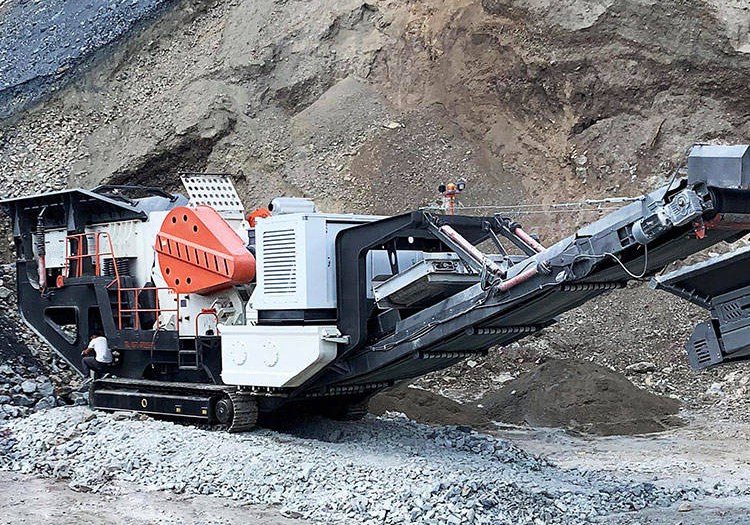
Just recently, one of our clients reached out to us urgently regarding issues with equipment operating costs. As the owner of a granite quarry in Indonesia, he had purchased a relatively inexpensive impact crusher in an effort to save on initial procurement costs. However, it wasn't long before the machine required a shutdown every three days just to replace the blow bars; consequently, the actual operating rate of the entire production line plummeted to less than 40%, resulting in financial losses amounting to tens of thousands of dollars in under a month. Such errors in model selection are not uncommon when configuring a complete rock crushing production line. Should one invest in a cone crusher—which is better suited for highly abrasive hard rock—or an impact crusher, which produces aggregates with superior particle shape? This decision involves more than just the initial capital outlay; it directly determines whether you will enjoy smooth, profitable operations over the coming years or find yourself financially crippled by a ceaseless stream of bills for wear parts. Ultimately, the correctness of your equipment selection and production line configuration is the deciding factor in whether a business owner can truly maximize their profits.

2.Aside from price, what are the technical differences between an impact crusher and a cone crusher?
Let us peel back the outer casings of these two machines to examine the specific mechanisms they employ to crush rock. The underlying principles of mechanical dynamics directly determine both the equipment's daily operating costs and the quality of the resulting aggregate.

Impact Crusher :High-Speed Spinning Iron Fist
The high-chrome blow bars mounted on the rotor strike the falling rocks with a linear velocity of 35 to 45 meters per second. The instant the rocks are shattered, they are hurled against the impact plates, undergoing a secondary crushing process; this, in turn, triggers further collisions and fragmentation among the rebounding rock fragments. Based on this principle, the resulting crushed stone features a well-formed, cubical shape with a minimal proportion of needle-like or flaky particles. This makes it ideally suited for road construction or the production of high-quality manufactured sand.

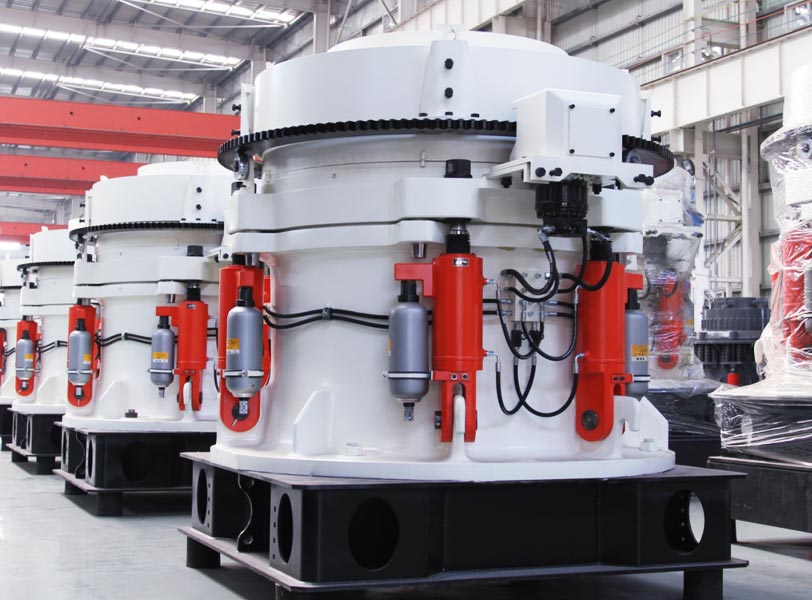
Cone Crusher: High-Pressure Lamination Crushing Method


3.Did the Client Conduct a Geological Assessment Before Purchasing Rock Crushing Equipment?


4.How to Design a Rock Crusher Plant in the Most Scientific Manner?
Based on the differences between the two types of machines mentioned above, does choosing the right machine guarantee a profit?
To allow customers to see the complete business causal chain from "Mining stones ➡️ Secondary crushing unit ➡️ Entire line configuration ➡️ Downstream buyers" at a glance, we have condensed the complex beneficiation plant system engineering into the panoramic alignment table below. Whether you are purchasing a standalone rock crusher or procuring an entire production line, this chart will serve as your essential, core reference guide.
| Material Category | Typical Rocks & Physical Properties | Core Secondary/Tertiary Crusher | Complete Production Line Configuration | Output Shape & Key Advantages | Key Downstream Applications |
|---|---|---|---|---|---|
| Medium-Low Hardness / Low-Abrasion Soft Rock |
Rocks: Limestone, Dolomite, Gypsum, C&D Waste • UCS < 120 MPa • SiO₂ < 15% |
Impact Crusher | Vibrating Feeder → Jaw Crusher (Primary) → Impact Crusher (Secondary) → Vibrating Screen → Belt Conveyor System | ✅ Extremely high cubic product ratio ✅ Near-zero flaky/elongated particles ✅ Low internal stress & optimal gradation |
• High-speed railway ballast • High-grade commercial concrete • Building foundation cushion • Highway stabilized soil |
| High Hardness / High-Abrasion Hard Rock |
Rocks: Granite, Basalt, River Pebble, Quartzite • UCS > 180 MPa • SiO₂ > 60% |
Cone Crusher | Vibrating Feeder → Jaw Crusher (Primary) → Surge Bin → Cone Crusher (Secondary) → VSI Crusher (Tertiary Shaping) → Vibrating Screen | ✅ Cone crusher crushes hard rock via compression ✅ VSI eliminates flaky particles & micro-shapes ✅ Low operating cost + premium product quality |
• Airport runway asphalt surface • Cross-sea bridge high-grade asphalt • Dam impermeable concrete • Defense & nuclear power projects |
XLM Comprehensive Alignment Chart: Material Characteristics, Main Unit Configuration, and Downstream Industry Chain.

5.What factors are most important when customers make purchasing decisions?
Having read this far, buyers likely already have a set of criteria in mind. To completely alleviate our clients' purchasing anxiety, we've condensed all the core technologies and financial calculations into a foolproof "three-step decision-making method." Whether our clients are aggregate producers, mobile plant integrators, or engineering contractors, they simply need to apply these three steps to their specific situation before purchasing any machinery:
1) The hardness and silica content of the stone being processed (A "Veto Factor")
Soft Rock Category: Limestone, dolomite, construction waste, marble (UCS < 120 MPa) 👉 Choose an impact crusher; it offers excellent cost-effectiveness and produces superior-quality finished aggregates.
2) Downstream requirements (Finished product gradation and particle shape)
3) Project duration and capital recovery plan
6.Beyond the selection of individual machines, how can one configure a production line in a truly scientific manner?
When configuring a complete rock crushing plant, purchasing a single machine represents merely the first step on your commercial journey. The reason many mining operations incur daily financial losses—often due to the rapid wear of consumable parts—is not that they purchased poor-quality machinery; rather, it stems from a lack of prior analysis regarding the specific rock characteristics at their site, resulting in critical, fatal flaws in the overall process design of the production line.
As a specialized manufacturer deeply rooted in the global mining machinery sector, XLM never advocates that clients blindly pursue the "most expensive" or "newest" equipment configurations. Instead, we prefer to serve as your "Mining Process Architects."When clients submit an inquiry to the XLM team, we provide far more than just a standard equipment price quote; we deliver a comprehensive, holistic business solution that encompasses the following core services.

We emphasize this point once again: a price quote merely reflects the initial procurement cost; it does not indicate long-term profitability. What we really need to confirm is: can this equipment, when placed in your material, production, and finished product market, consistently reduce the cost per ton?
7.What specific efforts does XiangLong Machinery make to ensure a strong ROI for its customers?
1) Achieving breakthroughs in the metallurgical industry: ensuring the strength of wear-resistant parts
Whether dealing with the high-chromium blow bars of impact crushers or the manganese steel concave liners of cone crushers, XiangLong Machinery (XLM) has invested heavily in the research and development of the metallurgical matrix for its wear parts. Under identical hard-rock operating conditions, XLM’s impact crusher blow bars offer a service life—in terms of overall wear resistance—that exceeds that of standard competing products by more than 20%, directly saving customers significant labor and material costs.
2) Optimization of Cavity Shape and Dynamics
XiangLong Machinery strictly adheres to data and facts to scientifically match equipment and production lines to client needs, ensuring a strong return on investment while avoiding unnecessary upfront expenditure. XLM remains committed to driving industrial innovation and progress while maximizing profitability for its clients.


Jaw Crusher vs. Impact Crusher: How to Choose for Your Quarry?
Jaw Crusher vs. Fine Jaw Crusher:A Comprehensive Guide to Key Differences and Selection.