Tire-Mounted vs Crawler-Mounted Crushers: Choosing the Right Mobile Solution
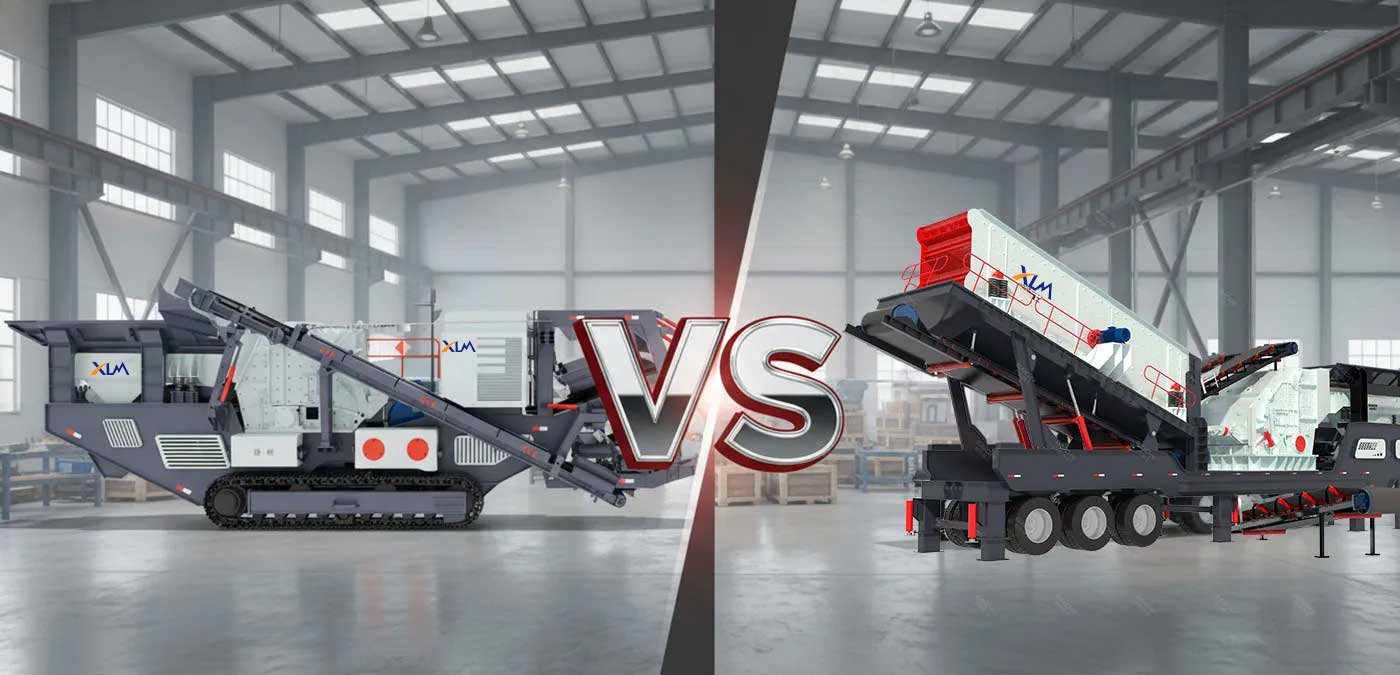
In today's dynamic construction and mining environments, mobility is a critical factor in equipment selection. The choice between tire-mounted and crawler-mounted crushers represents one of the most significant decisions operations managers face. This comprehensive guide, drawing on XiangLong Machinery's (XML) extensive experience, examines the strengths, limitations, and optimal applications for both technologies to help you align your investment with your specific operational requirements.
1. Fundamental Design Differences
The Road Warriors: Tire-Mounted Crushers
Tire-mounted crushers are engineered for maximum mobility and quick deployment. They utilize an integrated trailer system with hydraulic support legs, allowing for standard highway transport without special permits in most regions. This design philosophy prioritizes rapid relocation and flexibility.
Key Advantages:
- Transportation: Faster movement between distant job sites, lower transportation costs, and no need for specialized hauling equipment.
- Operational: Typically higher travel speeds and better fuel efficiency during transport. Maintenance access is generally easier due to the simpler mechanical systems.
- Setup: Features hydraulic folding mechanisms for compact transport and quick setup (typically 30-60 minutes).
The Terrain Masters: Crawler-Mounted Crushers
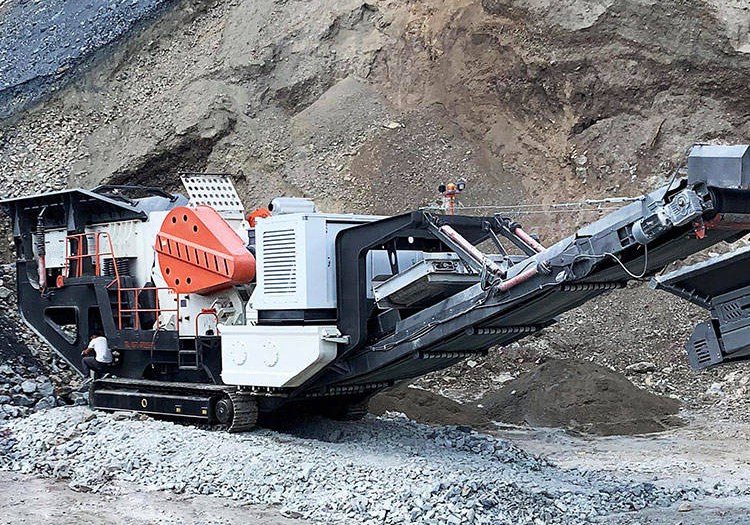
Crawler-mounted crushers excel in challenging and inaccessible conditions. Built on a heavy-duty tracked undercarriage, they offer superior ground clearance and stability on uneven terrain. This robust construction is designed for demanding applications where standard vehicles cannot operate.
Key Advantages:
- Mobility: Exceptional performance on soft, muddy, or unstable ground. They can operate on steep slopes (up to 25 degrees) and require minimal site preparation.
- Stability: The wide track base provides an excellent, vibration-dampening platform for consistent crushing operations.
- Precision: Independent track control allows for precise positioning directly on the job site.
2. Performance & Operational Flexibility
When comparing performance, the choice often hinges on the project duration and specific site conditions.
Crushing Capacity and Efficiency
- Tire-Mounted: Best suited for multiple small to medium projects. They offer higher operational flexibility and lower fuel consumption during idle periods or transport.
- Crawler-Mounted: Generally offer higher crushing capacities and are better for material handling in difficult conditions. They are superior for continuous operation due to their stable platform.
Project Duration & Site Conditions
- Short-term projects (1-6 months): Tire-mounted crushers are often more economical due to lower relocation costs.
- Long-term projects (24+ months): Crawler-mounted units are often better for fixed locations as their high initial transport cost is amortized over time.
- Terrain: Tire-mounted units excel on paved or prepared sites, while crawler-mounted units are essential for rough, wet, or steep terrain.
3. Cost Analysis and ROI
Understanding the total cost of ownership is crucial for making an informed decision.
Initial Investment
- Tire-Mounted: Typically have a purchase price that is 15-25% lower than comparable crawler models. They also have lower insurance costs and better financing terms in many markets.
- Crawler-Mounted: Require a higher initial investment but often provide better long-term value due to reduced site preparation costs and higher residual value.
Operating Costs
- Fuel: Tire-mounted units consume less fuel during transport, while crawler-mounted units consume more during operation due to the track drive system.
- Maintenance: Tire-mounted systems are simpler to maintain. However, XML's predictive maintenance systems help reduce costs for both types by ensuring genuine parts availability and support.
- Productivity: While tire-mounted offers quicker response to changing requirements, crawler-mounted units provide higher efficiency during continuous crushing.
4. Ideal Applications
Based on the technical specifications, each type serves distinct market segments effectively.
Tire-Mounted Crushers are Ideal For:
- Road & Highway Construction: Frequent relocation between work zones on paved access roads.
- Urban Development: Limited space, noise control requirements, and the need for quick installation/removal.
- Contract Crushing: Operations requiring frequent equipment relocation to diverse client sites.
Crawler-Mounted Crushers are Ideal For:
- Large-Scale Mining & Quarries: Rough floors, steep working faces, and the need for precise positioning without extensive site prep.
- Remote Location Projects: Areas with limited infrastructure, challenging ground conditions, and extended operation periods.
- Specialized Applications: Such as slope stabilization, dam construction, and environmental remediation.
5. Technological Innovations from XML
XiangLong Machinery enhances both platforms with smart technology to improve efficiency and compliance.
- Smart Mobility: Features include automatic transport configuration, road legality compliance monitoring, and hydraulic auto-leveling systems for one-person operation.
- Environmental Performance: All models meet Tier 4 Final emission standards with advanced exhaust treatment. Integrated dust suppression and acoustic engineering minimize community impact.
- Adaptive Control: Systems automatically adapt to terrain and optimize energy efficiency based on real-time operating conditions.
6. Decision-Making Framework
To ensure you select the right equipment, XML recommends a weighted evaluation matrix:
- Technical Factors (40%): Material characteristics, site accessibility, and production capacity.
- Operational Factors (30%): Project duration, relocation frequency, and operator skill levels.
- Economic Factors (20%): Initial investment constraints and operating cost considerations.
- Strategic Factors (10%): Future business direction and competitive advantage.
Conclusion: There is no universal "best" choice—only the right choice for your specific circumstances. By analyzing your unique requirements through this framework, you can avoid costly mistakes and ensure your investment delivers maximum profitability. Contact XiangLong Machinery for a personalized evaluation to build a crushing solution that drives your business forward.
Jaw Crusher vs. Fine Jaw Crusher:A Comprehensive Guide to Key Differences and Selection.
Export Strategies for XLM Crushing Equipment: Navigating International Markets Successfully