Mobile Crushing Plant VS Stationary Crushing Plant: Pros & Cons for Mining Aggregate Production
1. Crushing Plant Core Definition
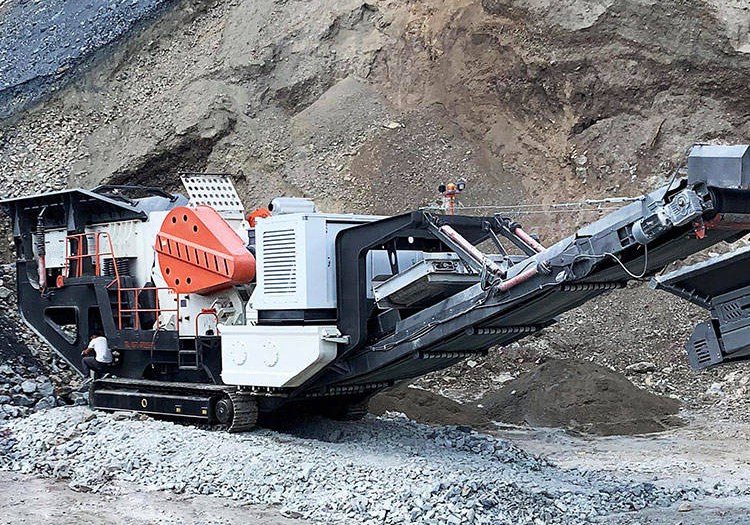
Mobile Crushing Plant (Portable Crusher)
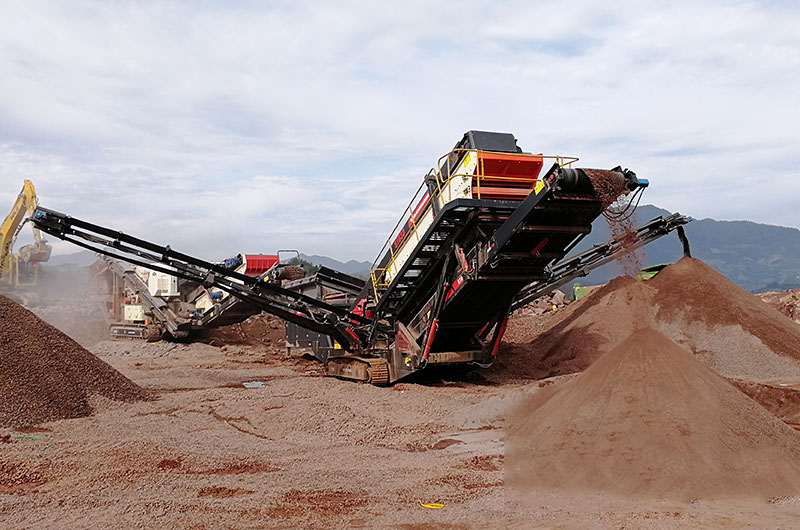
Integrates feeding, crushing, screening, conveying systems on a wheeled or tracked chassis; can relocate freely between working sites without permanent foundation construction. Leading manufacturers like Xianglong Machinery offer two mature types: tracked crawler type for rough terrain and wheel trailer type for flat ground and highway transport, covering 60–300 t/h for flexible aggregate production.
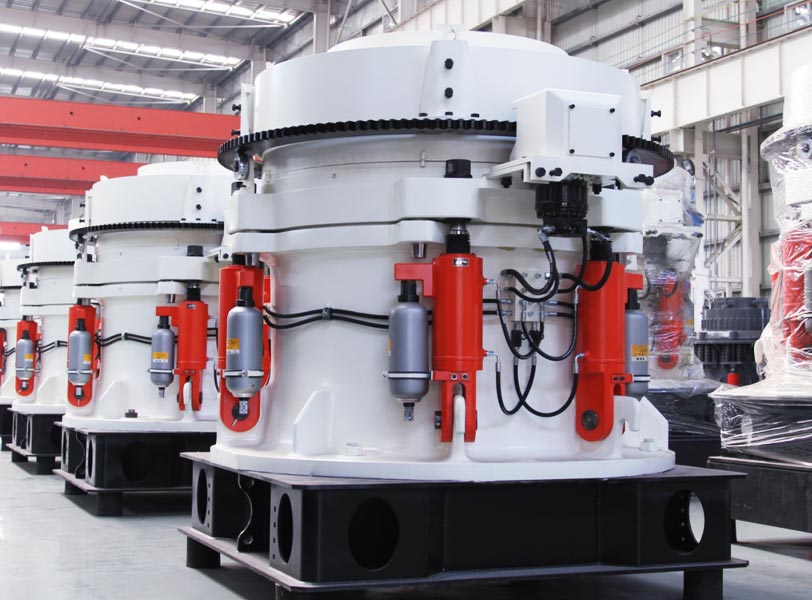
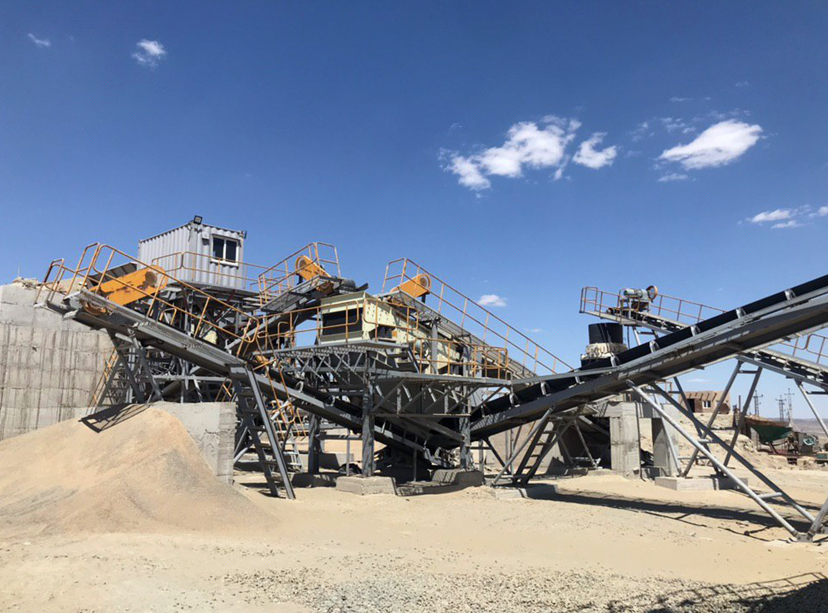
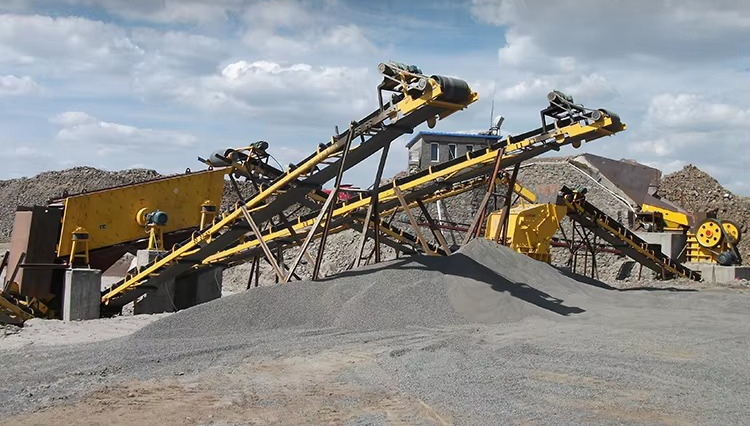
Stationary Crushing Plant (Fixed Crusher Line)
A permanently installed production line with independent fixed equipment anchored on concrete foundations, designed for long-term fixed mining pits or aggregate quarries. Xianglong Machinery provides customized stationary lines with large-scale jaw, cone, and impact crushers, supporting 300–3000+ t/h stable output for long‑life mines.
2. Mobile Crushing Plant: Advantages & Disadvantages
✅ Pros
(1) High Flexibility & Site Adaptability
- Directly drives to raw ore stockpiles and quarry faces, eliminating long‑distance material hauling. Xianglong tracked mobile crusher units excel in steep slopes, muddy mining areas, narrow roadways, and mountainous quarries, enabling on‑site crushing wherever the mining face moves.
(2) Low Early Civil Engineering & Installation Cost
-
No large‑scale concrete foundation or factory building is needed. Xianglong mobile crushing plants arrive pre‑assembled and can be commissioned within 1–3 days, greatly saving site preparation time and upfront investment for short‑term projects.
(3) Reduced Material Transportation Cost
On‑site crushing cuts raw material hauling expenses. For open‑pit mines, Xianglong mobile solutions effectively lower fuel, vehicle rental, and road maintenance costs, improving overall economic efficiency.
(4) Easy Relocation & Reusability
After one project ends, the whole unit moves to a new site. Xianglong mobile crushers are designed for repeated use across multiple projects, spreading depreciation and enhancing asset utilization for contractors and small quarries.
(5) Compact Layout, Small Footprint
The integrated structure takes much less land than fixed lines. Xianglong compact mobile stations comply with strict land‑use policies in ecologically sensitive mining areas.
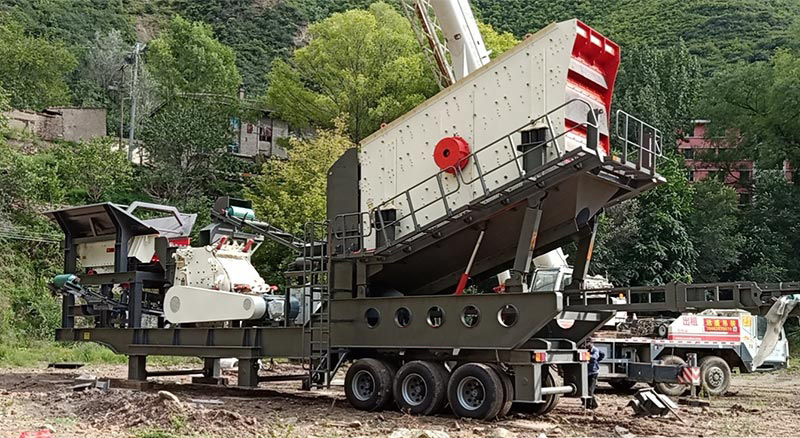
❌ Cons
(1) Lower Continuous Output & Production Capacity
Limited by chassis load and power system, single mobile unit’s hourly output mostly ranges 50–300 t/h, far below large stationary lines (300–3000+ t/h). Not fit for super-large-scale long-term mining.
(2) Higher Unit Operating & Maintenance Cost
- Hydraulic walking system, vehicle chassis, integrated power module have more vulnerable wearing parts; regular inspection and part replacement frequency is higher.
- Diesel-powered mobile units have higher energy cost per ton of finished aggregate compared with grid electricity for stationary plants.
(3) Restricted by Power Supply
Most crawler mobile crushers rely on onboard diesel generators; long-time operation raises fuel expenditure. Grid-connected mobile types need temporary cable laying, which limits free movement range.
(4) Limited Fine Gradation & Multi-stage Combinations
Difficult to configure multi-stage crushing (primary jaw + secondary cone + tertiary sand making + multi-layer screening) into one mobile set. For high-standard aggregate with strict particle shape and gradation requirements, multiple mobile units need matching, increasing overall investment.
(5) Poor Anti-dust & Noise Control
Integrated sealed structure is harder to design than fixed workshops; dust and noise pollution are more prominent without dedicated enclosed dust removal facilities.
3. Stationary Crushing Plant: Advantages & Disadvantages
✅ Pros
(1) Large Production Capacity & Stable Continuous Operation
Customizable for ultra-large throughput (500–3000 t/h and above), matches long-life open-pit mines with reserves over 5 years. Xianglong stationary lines feature Stable feeding, crushing and screening links support 24-hour non-stop production.
(2) Lower Long-term Unit Production Cost
Main equipment runs on industrial grid power with low electricity price; standardized fixed layout reduces energy waste. Wear parts replacement is centralized and convenient, with lower tonnage maintenance cost in long service life (8–15 years).
(3) Flexible Process Configuration & Superior Product Quality
Freely combine coarse, secondary, fine crushing, sand making, washing, dewatering, and screening. Xianglongoptimizes particle shape and gradation to meet high‑grade concrete and asphalt aggregate standards.
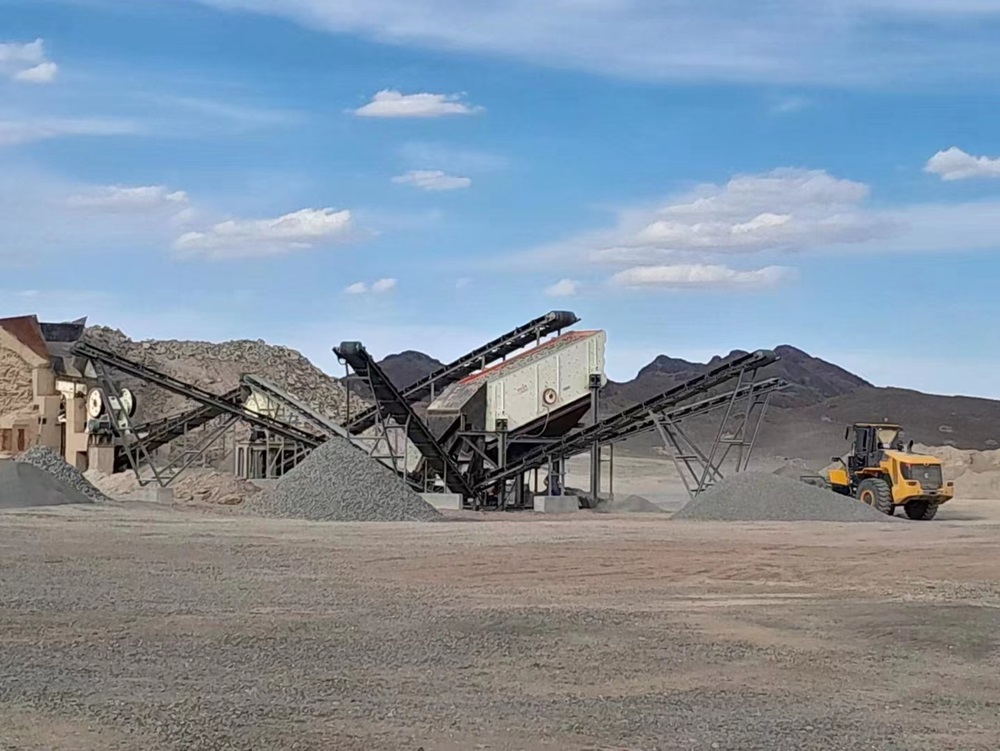
❌ Cons
(1) Huge Upfront Civil & Infrastructure Investment
Requires foundation pouring, conveyor trestle construction, workshop building, power distribution room, water supply and drainage system; construction period usually takes 1–3 months or longer. Initial capital investment is much higher.
(2) Fixed Location, Poor Mobility
Cannot move after installation. If the mining pit ore body is exhausted or the quarry working face moves too far, long-distance material transportation becomes mandatory, sharply boosting hauling costs.
(3) High Dismantling & Transfer Cost
If relocation is necessary, the whole line must be disassembled piece by piece, transported and reinstalled; labor, transportation and construction costs are extremely high, so stationary plants are basically abandoned or sold instead of relocated.
(4) Large Land Occupation
Need dedicated crushing area, finished material stockyard, waste residue stacking area and access roads, demanding larger land approval indicators.
4. Crushing Plant Suitable Application Scenarios Comparison
Choose Mobile Crushing Plant If:
- Temporary projects: highway/railway subgrade aggregate, urban construction waste recycling, short-term small quarry exploitation.
- Scattered mining points with narrow, mountainous or muddy terrain where fixed construction is impossible.
- Open-pit mines adopting in-pit crushing and conveying (IPCC): move the crusher following the mining advance to cut haul distance.
- Project cycle less than 3 years, limited budget for early infrastructure.
Choose Stationary Crushing Plant If:
- Large-scale quarries/mines with proven reserves and service life ≥5 years.
- Need stable high output and strict aggregate quality for commercial concrete mixing stations, asphalt mixing plants.
- High requirements on environmental protection, needing centralized dust removal, sewage treatment and closed production.
- Long-term mineral processing with follow-up beneficiation, washing and deep processing procedures.
5. Mobile Crushing Plant VS Stationary Crushing Plant Summary Table
| Item | Mobile Crushing Plant | Stationary Crushing Plant |
|---|---|---|
| Mobility | Excellent, relocatable anytime | Fixed position, almost immovable |
| Initial Investment | Low (no heavy civil work) | High (foundation, building, infrastructure) |
| Construction Period | 1–3 days(Xianglong quick commissioning) | 30–90+ days |
| Single Line Capacity | Small–medium (50–300t/h) | Medium–super large (300–3000t/h+) |
| Long-term Tonnage Cost | Higher (diesel + frequent maintenance) | Lower (grid power + centralized maintenance) |
| Product Gradation Control | Limited, hard for multi-stage fine processing | Highly customizable, premium aggregate quality |
| Environmental Performance | Basic dust suppression only | Complete enclosed dedusting & waste treatment |
| Service Cycle Flexibility | Reusable across multiple sites | One-site dedicated use only |
| Best Use Case | Short-term projects, scattered sites, in-pit mobile crushing | Long-life large mines, permanent aggregate bases |
6. Common Hybrid Solution
Many large mines adopt a hybrid mode:
- Mobile primary crusher works inside the pit to crush big raw stones;
- Belt conveyor transports preliminarily crushed materials out to a stationary secondary & tertiary crushing screening line on the ground. This balances mobility to reduce haul cost and stable high-quality downstream production.
For engineering projects around the world, XLM ( Xianglong Machinery)provides digital remote commissioning support, standard civil engineering foundation drawing guidance, and one-click start-up service to ensure that overseas sand and gravel projects are put into production on time.
Stone Crusher Plant: What It Is and How to Set Up One
For high-quality aggregates, should you choose an impact crusher or a cone crusher? Industry experts teach you how to select the right type